Centrul de Artă din Transilvania
  • Home
  • Exhibitions
  • Catalogs

Select your language

  • Magyar (Magyarország) HU
  • Română (RO) RO
  • English (United Kingdom) EN

SYNOPSIS 2: Selection from the collections managed by the Transylvanian Art Centre

Visiting period: 13th of December 2024 – 14th of February 2025

Curator: Beáta Bordás PhD.

The exhibition was opened on the 13th of December 2024 from 6 pm, by Éva Judit Sztakics, vice mayor of Sfântu Gheorghe and dr. Beáta Bordás, coordinator of the Transylvanian Art Centre and curator of the exhibition.

The achievements of the Transylvanian Art Centre over the past ten years – more than 140 exhibitions, 90 catalogs, events popularizing the arts and two collections containing around 1200 of artworks – are perhaps worthy of celebration. Operating under the umbrella of the Municipality of Sepsiszentgyörgy, the Transylvanian Art Centre (TAC) has started its activity in its current headquarter on Olt st. 2 in the autumn of 2014, fulfilling important tasks related to creating a general (self-)image to Transylvanian visual arts.

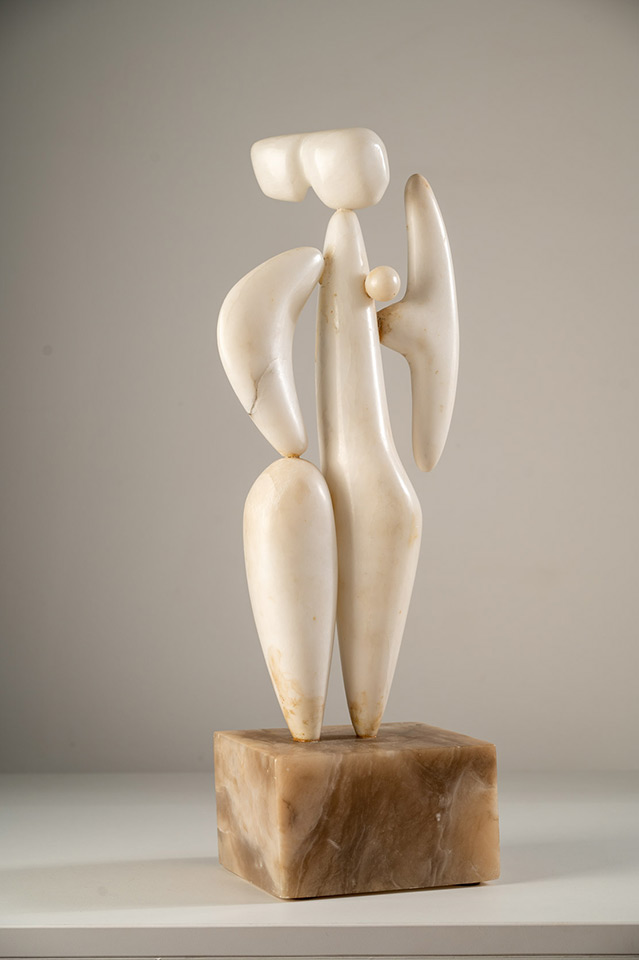
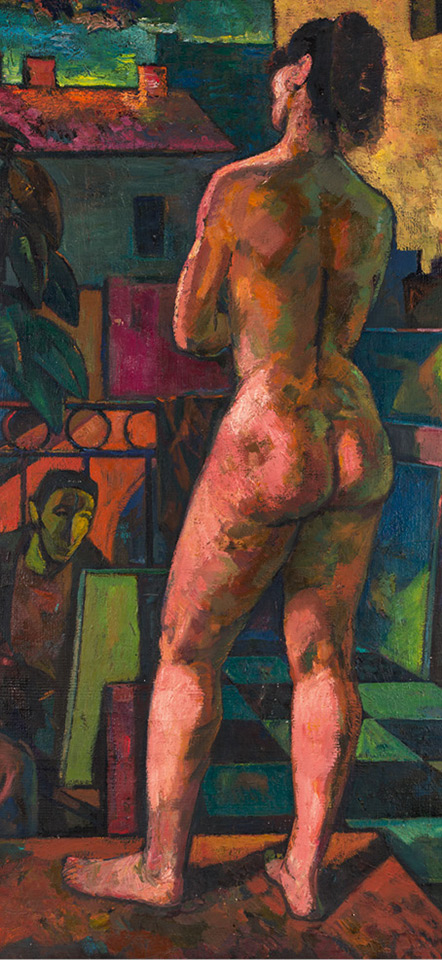
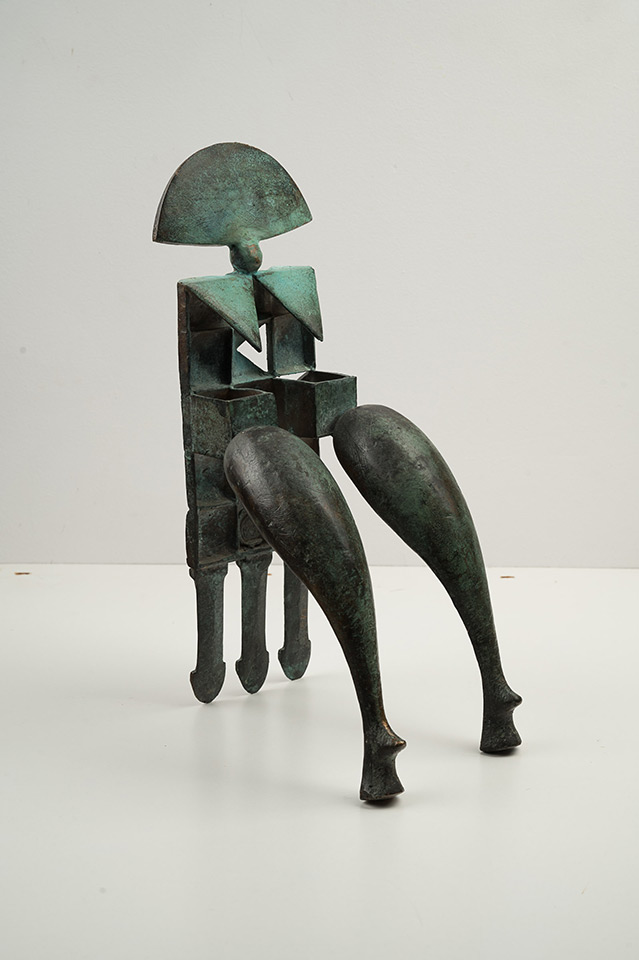
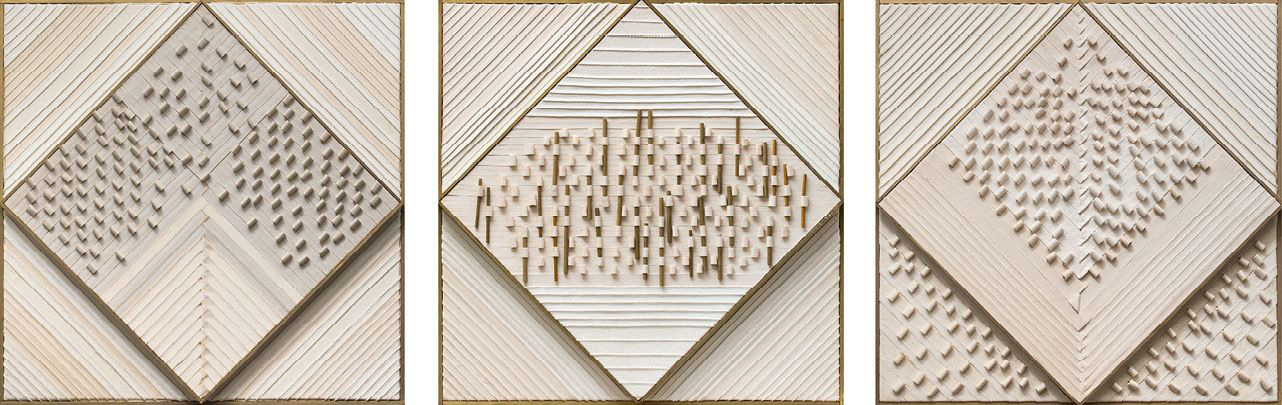
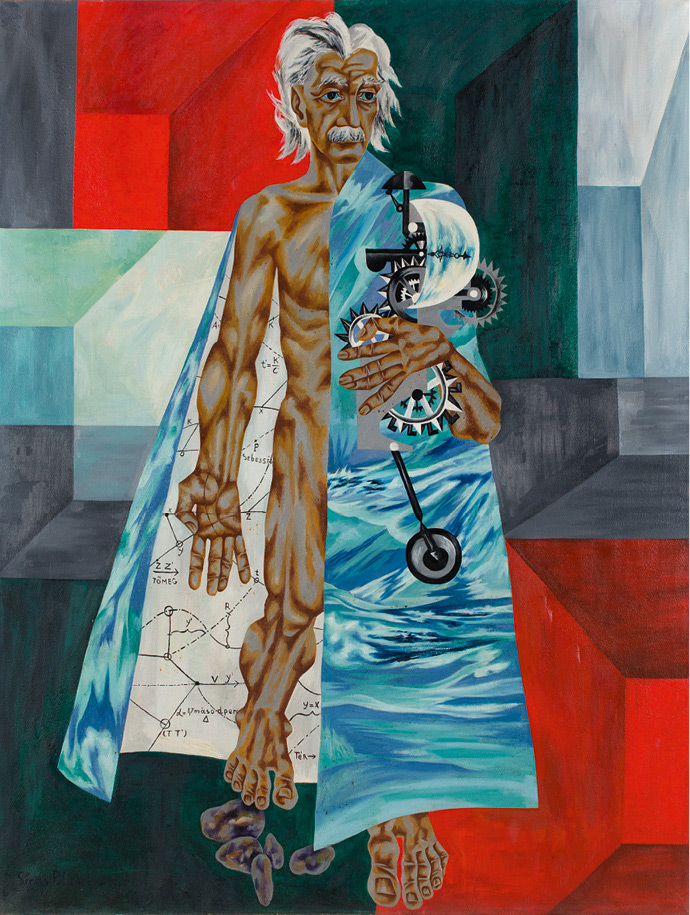
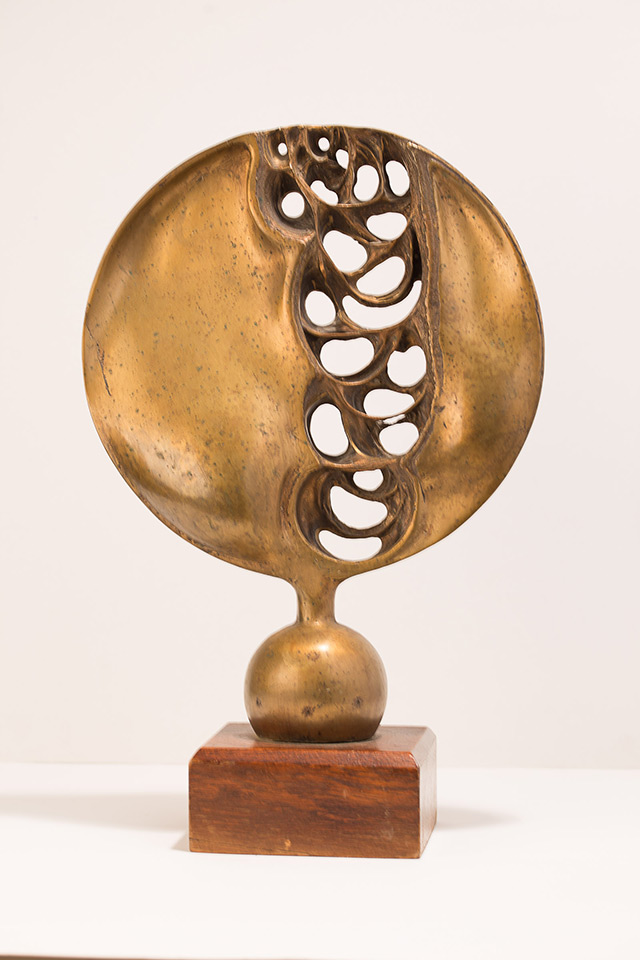
At the 10 years anniversary of our existence, as a festive exhibition continuing a similar one created in 2019 and called Synopsis, Synopsis 2 presents an exquisite selection of artworks arrived since 2020 in the two art collections managed by the Transylvanian Art Centre: the collection of the Transylvanian Art Centre Association and the collection of the Sapientia Foundation.

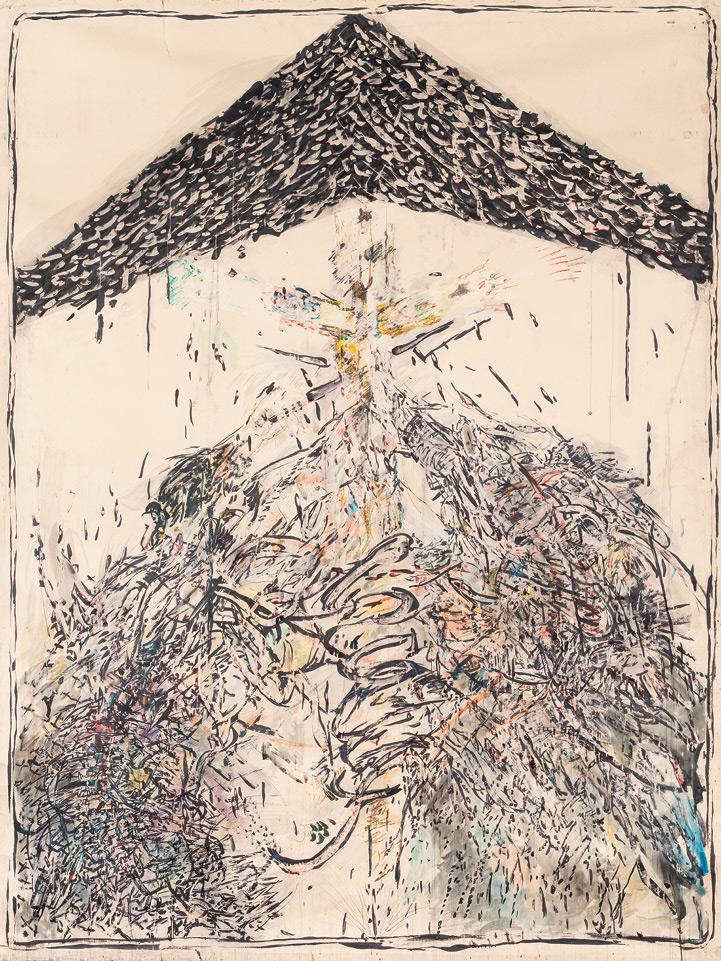
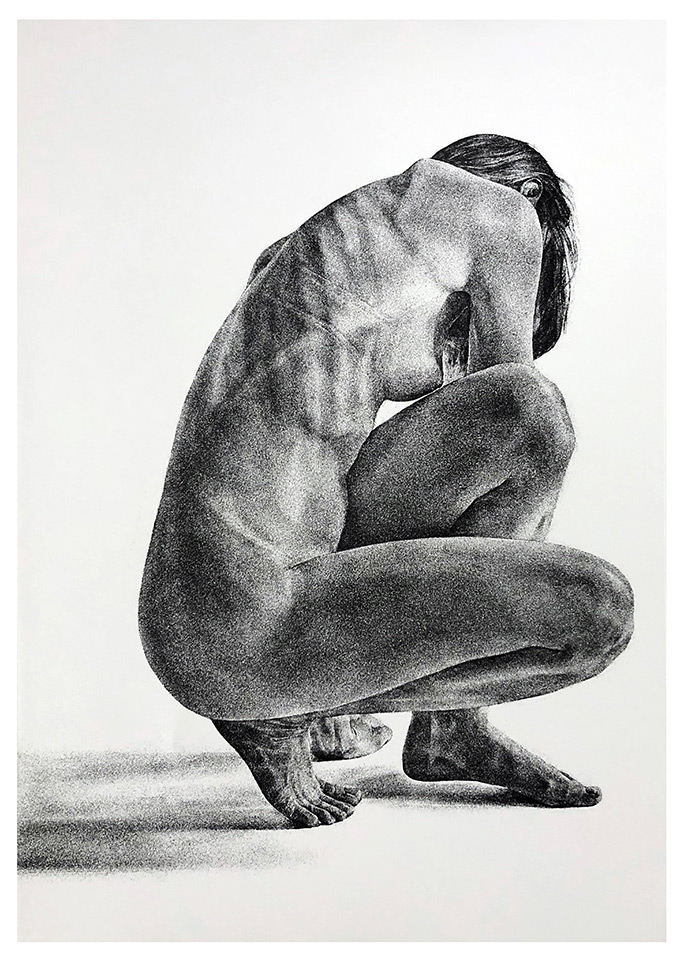
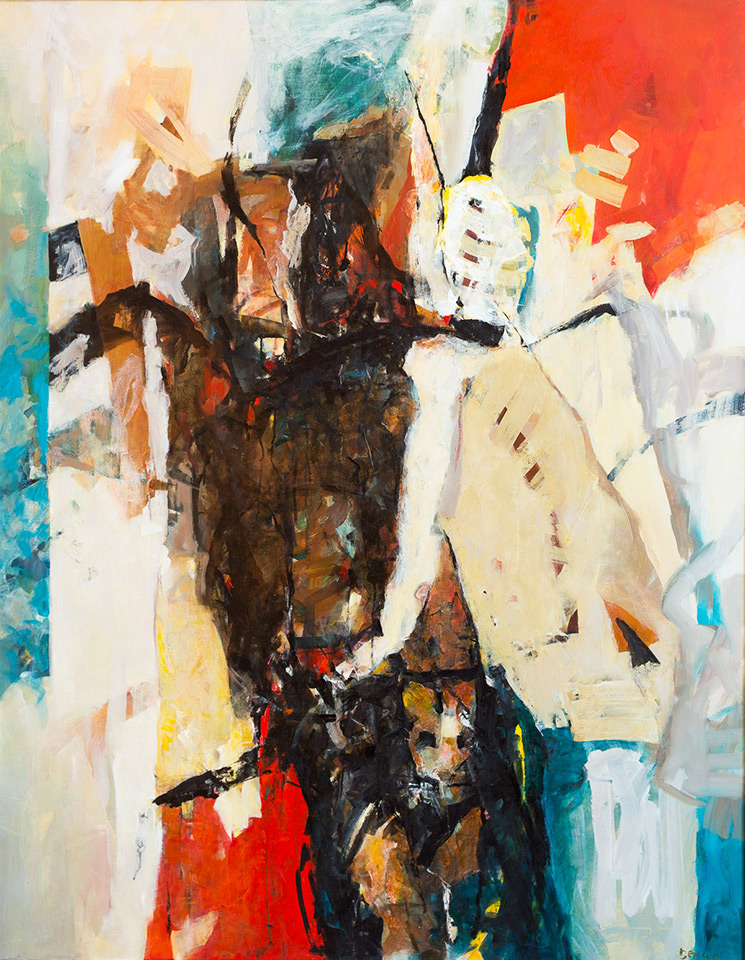
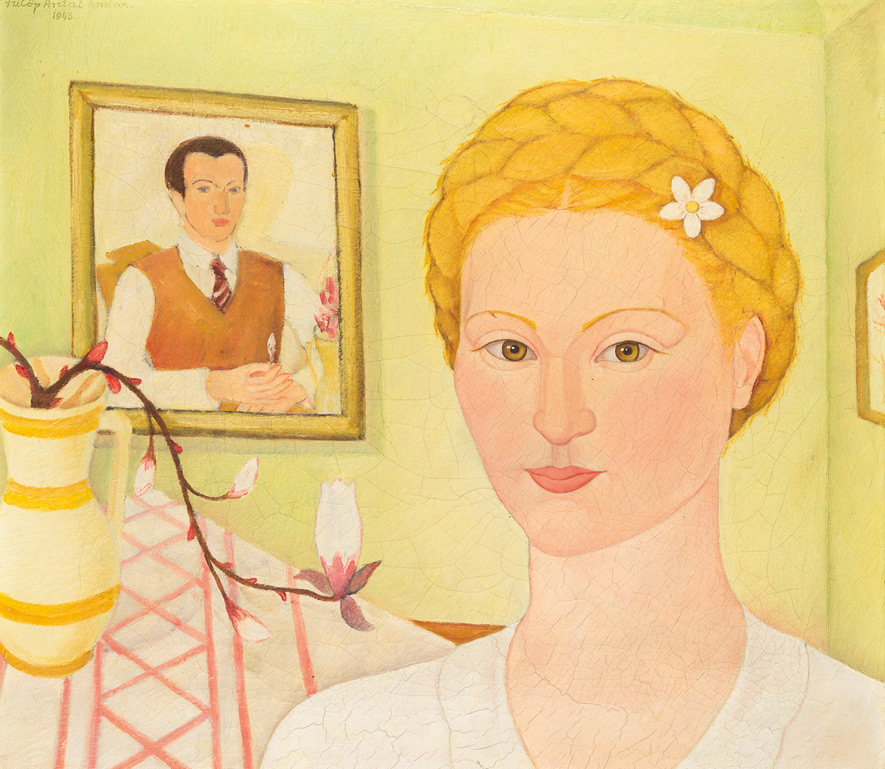
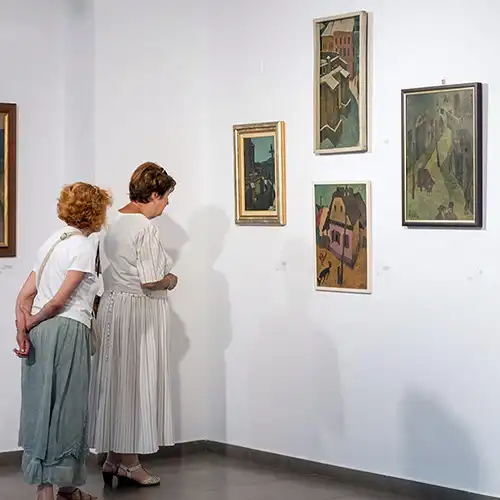
The current celebratory exhibition presents 120 pieces, offering a selection of artworks that entered the two collections after the year 2020. We highlighted the most important and valuable works from the two collections, grouping them on regions, periods and topics – covering the main periods of Hungarian art from Romania in the 20th and 21st centuries, starting from the Nagybánya Painting School through the innovative tendencies from the 1960s–1980s to the contemporary art. Next to these, 13 works from the 2020 and 2022 Graphic Art Biennial of Szeklerland are on display. The latter were made with traditional graphic multiplication methods and loosely connected to each other via their topic (the human body and the representation of urban or imaginary spaces).

Organizers: Sfântu Gheorghe City Hall, Transylvanian Art Centre Association
Sponsors: Hungarian Government – State Secretary for National Policy, Bethlen Gábor Fund

KOMA – Hungarian Contemporary Fine Arts Competition – Awards ceremony on the occasion of The Day of the Hungarian Culture

Publication date: 23rd of November 2023
Award ceremony: 22nd of January 2024, 5 p.m., Transylvanian Art Centre
Visiting period: 22nd -26th of January 2024

The purpose of the competition announced by the Transylvanian Art Centre among Hungarian high school students from Romania was to encourage creation and self-expression with the tools of visual arts by the student in the 9th–12th grades. At the same time we tried to popularize contemporary Transylvanian Hungarian literature. We have tried to find and reward talented young students and give them the opportunity to present themselves on an exhibition, which presents the best and most exciting works.

We expected the students to create in a freely chosen technique and size, reflecting the text or poem of a contemporary Hungarian writer from Transylvania. The best artworks selected by an invited jury were exhibited in professional conditions, framed and illuminated, in the exhibition space on the ground floor of the Transylvanian Art Centre.

More than 150 artworks from 12 towns of Transylvania were submitted to the KOMA - Hungarian Contemporary Fine Arts Competition, announced by the Transylvanian Art Centre. The members of the jury – theatre historian Zsuzsanna Szebeni, graphic artist Tünde Sipos Gaudi, painter Gagyi Botond, sculptor Zoltán Hosszú and graphic artist Ferenc Siklódy – evaluated the works based on the aspects of their connection with contemporary Transylvanian literary works, the actuality, creativity and technical execution of the artworks.

The opening of the exhibition and the award-ceremony took place on the occasion of the Day of Hungarian Culture. The works received mirror the current situation of plastic arts education, but also offer an overview of the issues of young people, as well as the identity of the contemporary Transylvanian Hungarian authors who are closest to them. The prizes were distributed in two categories (students from 9th–10th grades and students form the 11th–12th grades).

Awards:
Students from 9th–10th grades
1st place: Katona Hanna (Miercurea Ciuc, István Nagy School of Art)
2nd place: Ladó Anna Tüzinke (Homorod-Remetea, homeschooled)
3rd place: Szabó Sarolta (Odorheiu Secuiesc, Palló Imre Art School)
Special award by the Liszt Institute from Sfântu Gheorghe: Bencze Nóra (Miercurea Ciuc, István Nagy School of Art)
Jury’s special award: Bükkösi Kriszta Mária (Târgu Mureș, Bolyai Farkas Highschool)

Students form the 11th–12th grades:
1st place: Kala Dávid (Sfântu Gheorghe, Plugor Sándor Art School)
2nd place: Albert-Nagy Anett (Sfântu Gheorghe, Plugor Sándor Art School)
3rd place: Csillag Péter (Miercurea Ciuc, István Nagy School of Art)
Honorable mentions: Kardos Bors Ágoston (Sfântu Gheorghe, Plugor Sándor Art School), Dusincki Viktória (Sfântu Gheorghe, Plugor Sándor Art School)

In addition to the listed students, works were also exhibited by Esztány Dorottya (Miercurea Ciuc, Nagy István School of Art), Szekeres Anna (Sfântu Gheorghe, Plugor Sándor Art High School), Ferencz Salamon Panna (Miercurea Ciuc, Nagy István School of Art), Gáj Dengezik (Sfântu Gheorghe, Mikes Kelemen Theoretical High School) and Kis Katalin (Odorheiu Secuiesc, Tamási Áron High School).

Organizers: Sfântu Gheorghe City Hall, Transylvanian Art Centre Association
Professional partners: Liszt Institute from Sfântu Gheorghe, Art Faculty of the University of Pécs at Sfântu Gheorghe
Sponsors: Hungarian Government – State Secretary for National Policy, Bethlen Gábor Fund

G8 – The 8th Graphic Art Biennial of Szeklerland

G8 – The 8th Graphic Art Biennial of SzeklerlandDuration of the exhibition:
11th of October 2024 – 30th of November 2024 (Sfântu Gheorghe, Transylvanian Art Centre)
9th of October – 31st of December 2024 (Miercurea Ciuc, Szekler Museum of Ciuc)

Curator of the exhibition: Apor Ferencz S.

Members of the jury: Norbert Filep (RO), artist; prof. dr. Erőss István (HU), artist, rector of the Hungarian University of Fine Arts; Ciprian N. Isac (RO), graphic designer, curator of the Bucharest Graphic Days; Apor Ferencz S. (RO), artist, curator of the Graphic Art Biennial of Szeklerland; Imre Tolnay DLA (HU), artist, university professor at the Széchenyi István University in Győr, Bordás Beáta PhD (RO), art historian, coordinator of the Transylvanian Art Centre, Gábor Gyenes (SK), artist, assistant professor at the Academy of Fine Arts, Faculty of Graphics in Bratislava.

Opening:
Friday, 11th of October 2024, 6 p.m., Transylvanian Art Centre
Wednesday, 9th of October 2024, 6 p.m., Szekler Museum of Ciuc

The initiator of the Graphic Art Biennial of Szeklerland, which has a growing international reputation and interest, was the visual artist Zsolt Siklodi (1966-2017), artistic director of the Cultural and Art Centre of Lăzarea and lecturer at several universities abroad. The leaders of Mureș, Harghita and Covasna counties, knowing that the region and its values need to be promoted on a larger scale, embraced the idea of the Graphic Art Biennial of Szeklerland and contributed to organizing the first edition of the biennial.

The goals of the biennial, which were formulated in 2010 and are still valid today, were to present and promote contemporary graphic art and graphic art from Szeklerland, to outline the aspirations of contemporary graphic art and to connect the graphic art trends in the region with international trends, to present contemporary graphic art trends to the art-loving public and to promote fine arts by showcasing new art creations and stimulating artists.

In 2024, for the 8th edition of the Graphic Art Biennial of Szeklerland, 2046 works of art were sent from 68 countries and from 926 artists. In 2024, for the second time, some of the artworks were also exhibited in Miecurea Ciuc at the Szekler Museum of Ciuc.

G8 invited visual interpretations on the significance of balance and, conversely, the issue of imbalance, aiming for artistic intent to focus on the social role of the image through the artist’s creative attitude. Thus, the call attracted artists who seek to innovate the processes of contemporary graphic art with a message for the future. The possible responses generated by the works serve as a mirror of critique for today’s society. In the exhibition in Sfântu Gheorghe, visitors could view 140 works by 137 artists from 28 countries, all created on the theme of imbalance.

At the opening event held in the Transylvanian Art Centre, festive speeches were delivered and awards presented by Mihály András Beke, First Consul of Hungary’s Consulate in Miercurea Ciuc, Sándor Tamás, President of the Covasna County Council, Apor Ferencz S., the curator of the Graphic Art Biennial of Szeklerland, prof. dr. István Erőss, rector of the Hungarian University of Fine Arts, Ágnes Képiró, art historian and István Imreh, director of the Covasna County Cultural Centre that organized the event. As the host of the evening, dr. Beáta Bordás, coordinator of the Transylvanian Art Centre, welcomed the guests and emceed the event. Representatives from the co-organizing institutions – the Szekler Museum of Ciuc, the Cultural and Art Centre of Lăzarea, the Mureș County Museum, and the Szekler National Museum – were also present, alongside prominent figures from the art world and representatives of the universities and organizations offering the awards.

The exhibition in the Szekler Museum of Ciuc, which presented part of the selected artworks of the 8th Graphic Art Biennial was opened by Aranka Karda-Markaly, director of the Szekler Museum of Ciuc, István Dolhai, Consul General of the Consulate General of Hungary in Miercurea Ciuc; Attila Korodi, the mayor of Miercurea-Ciuc, prof. dr. István Erőss, rector of the Hungarian University of Fine Arts, Apor Ferencz S., curator of the biennial and art historian Eszter Túros.

The winners of the 8th Graphic Art Biennial of Szeklerland:
Grand Prize of the Biennial: Marco Trentin (IT)
Imre Nagy Award: Laura Czuczor (HU)
Pál Nagy Award: Vasiliki (Vasso) Chatzimanoli (GR)
Sándor Plugor Award: Marlena Biczak (PL)
MAMŰ Society Cultural Association Award: Marlena Biczak (PL)
Lăzarea Artist Colony Award: Andrzej Wochnik (PL)
Partium Award from the Partium Christian University: Eszter Nóra Dicső (HU)
Imre Baász Award: Teerawoot Com-on (TH)
Award from the Hungarian Consulate in Miercurea Ciuc: Satitkun Mongkolruangrit (TH)
Pulzus Artist Colony Award: Jagoda Jaworska (PL)
Hungarian University of Fine Arts Award: Katarzyna Tereszkiewicz (PL)
Eszterházy Károly University Award: Petru Radu Buba (RO)

Organisers:
Covasna County Council
Cultural Centre of Covasna County

Co-organizers:
Harghita County Council
Cultural and Art Centre of Lăzarea
Mureș County Council
Mureș County Museum
Town Hall of Sfântu Gheorghe
Transylvanian Art Centre Association
Town Hall of Miercurea Ciuc
Szekler Museum of Ciuc
Szekler National Museum
MAGMA Contemporary Art Space
Haáz Rezső Museum

Sponsors:
National Cultural Fund of Hungary
Hungarian Academy of Arts
Consulate General of Hungary in Miercurea Ciuc
Hungarian Government – State Secretary for National Policy, Bethlen Gábor Fund
MVM Energy Romania
Pulzus Art Camp
Hungarian University of Fine Arts
Eszterházy Károly University
Institute of Visual Arts Eger
Partium Christian University – Department of Arts
Romanian Union of Artists
MAMŰ Society Cultural Association

János Dés INCZE retrospective painting exhibition

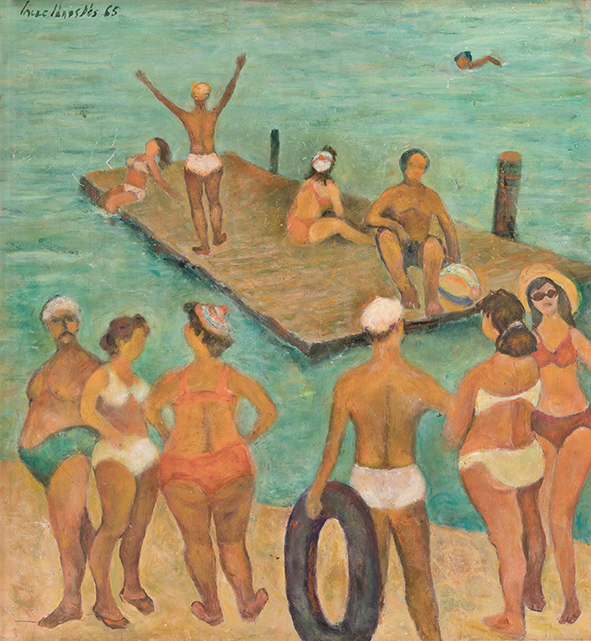
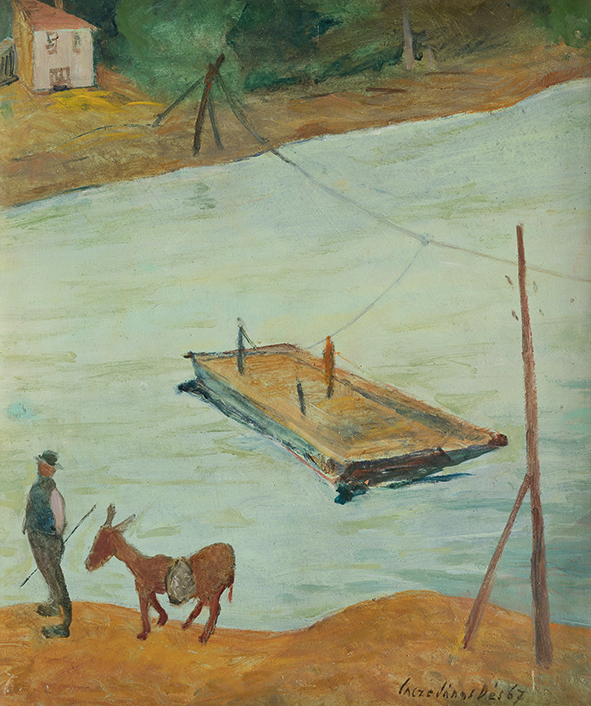
INCZE János Dés (1909–1999) retrospective exhibitionVisiting period: 23rd of July – 27th of September 2024
Curators: Beáta Bordás PhD, Szilárd Miklós PhD

Opening: The exhibition was opened on 23rd of July 2024 from 3 pm, by Sándor Tamás, president of the Covasna County Council, Zsolt Németh, president of the Hungarian Foreign Affairs Council, art historian dr. Ferenc Loránd Deák and dr. Beáta Bordás, coordinator of the Transylvanian Art Centre.

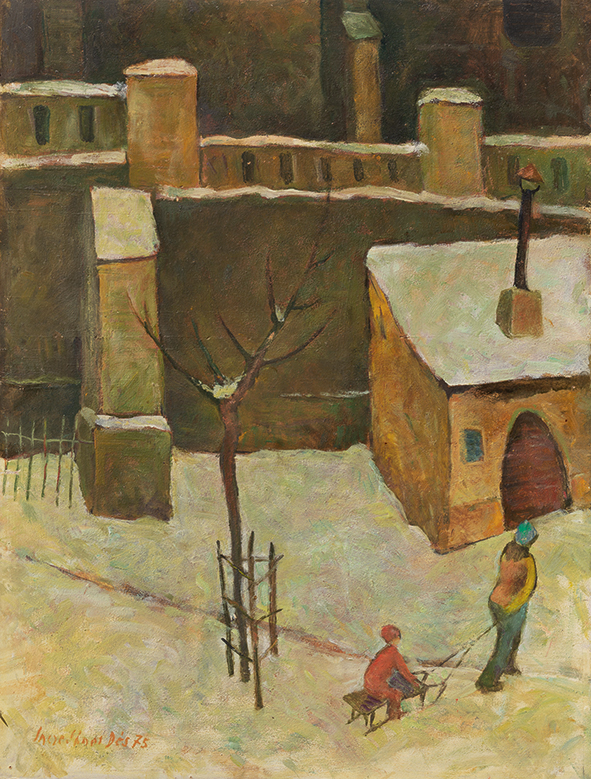
The exhibition presents 90 paintings from the rich oeuvre of János Dés Incze, covering the various creative periods of the artist. This is how, for example, portraits, urban landscapes and portraits taken in the 1940s are juxtaposed; the memories of his travels in Italy and Transylvania (from the sixties and seventies) or his works painted in his latest period, in the late 1980s and early 1990s. The exhibition with an original layout outlines the themes to which the painter returned throughout his life: the church and the main square from Dej, the details of the city of Dej, winter scenes, buffaloes, urban landscapes captured during travels, small town characters, intimate moments from family life, self-portraits. Among the works on loan from eight private collections, the painter's family and the collections of the Sapientia Foundation and the Haáz Rező Museum in Odorheiu Secuiesc, there are many works that have not been seen by the public for a long time, so this retrospective exhibition offers a unique opportunity to have a clear overview of his defining works. The exhibited artworks were selected by Beáta Bordás, the layout of the exhibition was conceived by Szilárd Miklós.
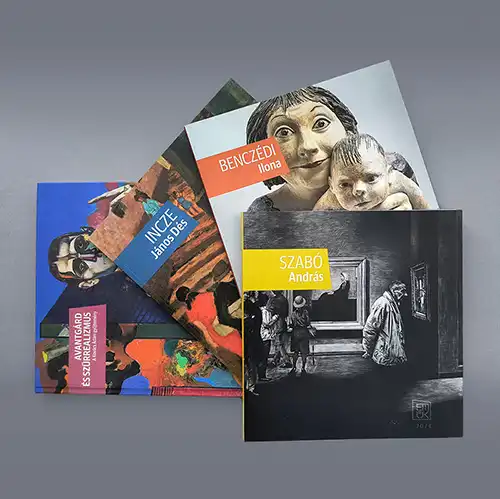
The exhibition is accompanied by a trilingual catalogue with a foreword by Ferenc Loránd Deák.

János Dés INCZE (Seini, 1909 – Dej, 1999)

He graduated from the lower secondary school in Satu Mare in 1924; during his student years he became interested in painting, so he regularly visited the studios of his form teacher, Sándor Sarkadi, and that of Aurél Popp. After school, he worked as a gardener and then as a merchant apprentice, and in 1926 he became an hourly wage worker in the painting workshop of the Iris porcelain factory in Cluj, where he worked with Ferenc Gáll (François Gall). In the little free time he had, he was an extracurricular student at the School of Fine Arts in Cluj between 1928 and 1929. Between 1929 and 1934 (with a two-year break due to military service) he completed teacher training at the Bethlen Gábor College in Aiud, then he was assigned as a primary school teacher in Zalău, and in 1935 settled permanently in Dej, where he lived for the rest of his life.

His chosen city, Dej, with its main square dominated by the medieval church and narrow winding streets, its market, the banks of the Someș and its small-town milieu, provided the painter with a constant source of subject matter and inspiration. He was so attached to the town that in the 1940s he took its name as a first name. He captured the people and spaces of the small town in paintings pervaded by a serene irony; he was interested in the reality of everyday life. He depicted the deliberately distorted, sketchily painted figures with expressive, characteristic movements and gestures; his paintings that have a fairy-tale effect impress with the vividness of a snapshot. His non-central compositional method breaks the classical rules (he does not follow the traditional order of foreground, middle ground and background); the painter assigns equal importance to the different elements of the subject. In addition to the townscapes and genre images of Dej, his canvases also reflect the buildings of Sighișoara and Cluj, as well as details of the towns and landscapes he discovered during his study trips in Italy.

Solo exhibitions:
1930: Casino, Aiud • 1942: the gym of the girls’ school in Dej • 1947: the auditorium of the Bolyai University, Cluj • 1948: Palace of Culture, Târgu Mureș • 1960: Palace of Culture, Cluj • 1962: Regional Museum, Baia Mare (together with Sándor Benczédi and Ileana Vremir); Museum, Oradea • 1963: Gallery of the Romanian Artists’ Association, Târgu Mureș • 1970: Sándor Petőfi House of Culture, Bucharest; Historical Museum, Satu Mare • 1971: Museum, Sfântu Gheorghe; House of Culture, Miercurea Ciuc; Small Gallery of the Art Fund, Târgu Mureș • 1972: Dej • 1974: Gallery of the Art Fund, Cluj • 1975: Korunk Gallery, Cluj-Napoca; Small Gallery, Satu Mare (together with Ilona Benczédi) • 1976: Small Gallery, Cluj-Napoca • 1978: Small Gallery, Satu Mare • 1979: House of Culture, Dej • 1981: Gallery of the Art Fund, Cluj-Napoca • 1982: the shop of the Art Fund, Târgu Mureș • 1989: the exhibition hall of the National Széchényi Library, Budapest

Commemorative exhibitions:
2003: retrospective exhibition, Transylvanian House, Sopron • 2009: anniversary exhibition, Friendship Cultural Centre, Százhalombatta • 2010: Duna Gallery, Budapest • 2011: Minerva House, Cluj-Napoca (together with László Vajda) • 2018: The Beheading of the Dragon (together with Ana Botezatu), Quadro Gallery, Cluj-Napoca • 2022: Téka Foundation, Gherla

Award: 1989: János Kájoni Art Prize

Organizers: Sfântu Gheorghe City Hall, Transylvanian Art Centre Association
Sponsors: Hungarian Government – State Secretary for National Policy, Bethlen Gábor Fund

András SZABÓ graphic art exhibition

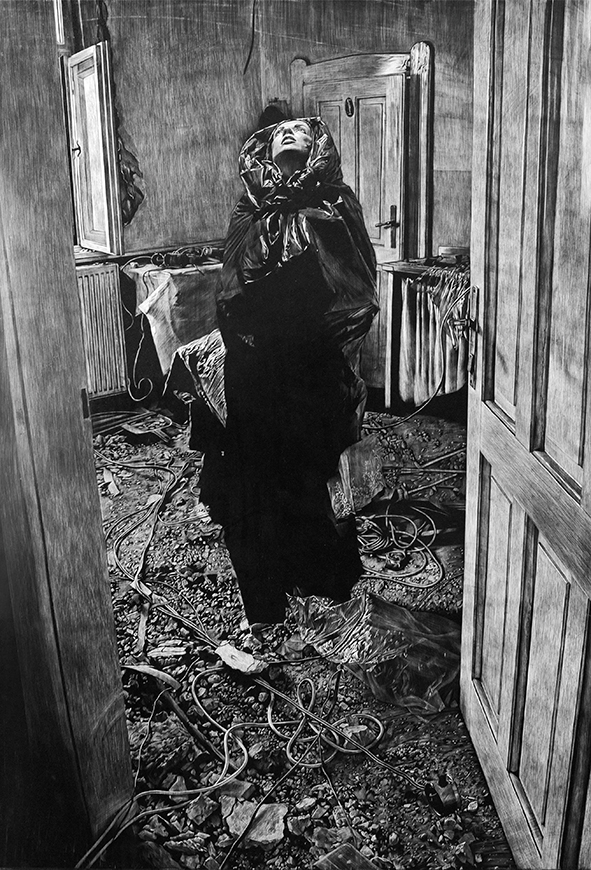
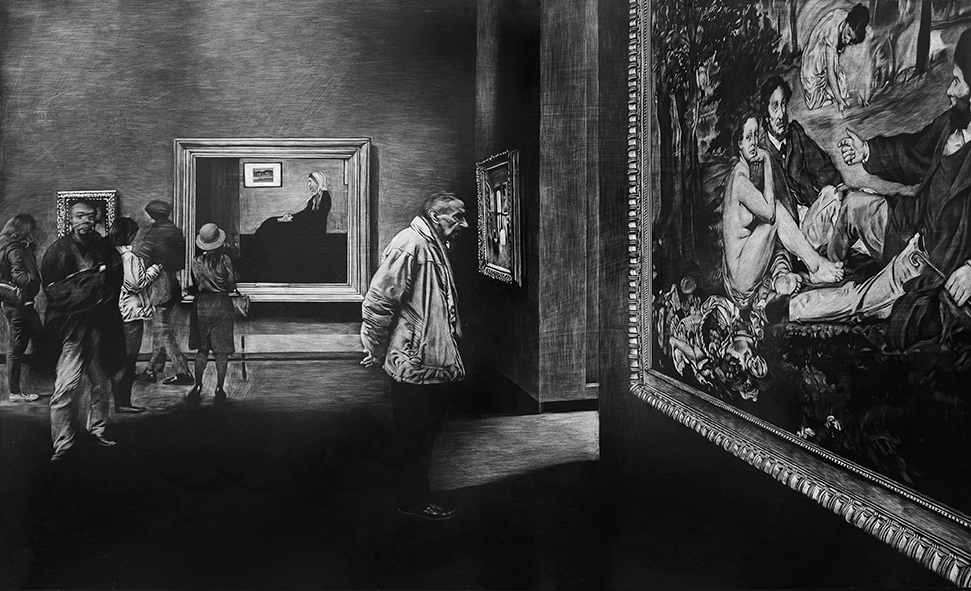
Expoziție de grafică András SZABÓ (n. 1980)Visiting period: 19th of July 2024 – 21st of September 2024
Opening: The exhibition was opened on the 19th of July 2024 at 6 pm by Transylvanian Art Centre’s coordinator dr. Beáta Bordás and dr. Ágota Portik Blénessy, art historian.

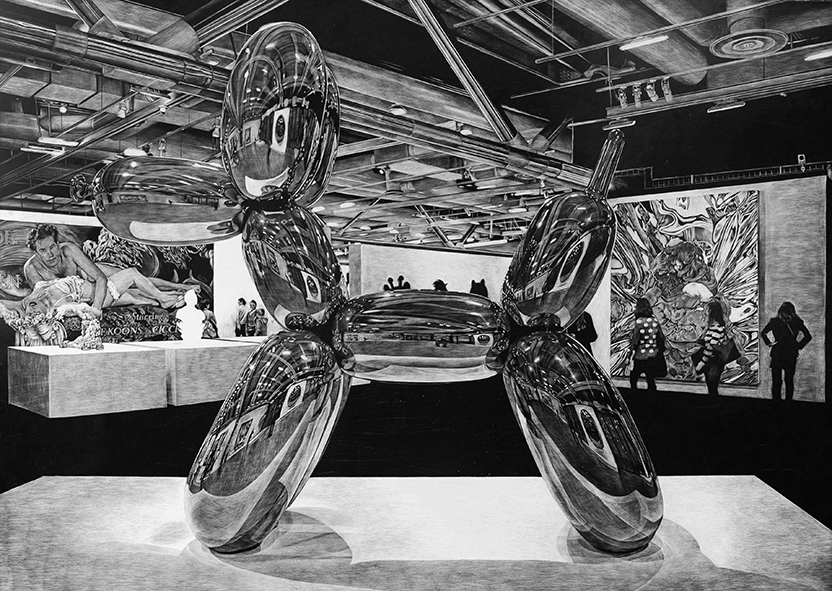
The exhibition held on the third floor of the Transylvanian Art Centre aims to comprehend the creative career of András Szabó, which spans approximately twenty years. The exhibition presents a rich selection of subjects that have interested the graphic artist until now, the evolution of the visual world of his works, from the artworks made during his studies at the department of graphic arts of the University of Fine Arts and Design in Cluj to his latest works, which, although are recognizable from a distance due to the unique scratching technique developed by the artist, they are still arranged in separate series.

The exhibition material is accompanied by a trilingual catalogue with a foreword by Ágota Blénessy Portik.

András Szabó (Târgu Mureș, 1980)

Graphic artist András Szabó studied at the Secondary School of Music and Fine Arts in Târgu Mureș between 1991–1999, then continued his studies in the specialization of Graphic Arts at the University of Art and Design in Cluj-Napoca between 1999–2003, where he obtained a Master’s degree in 2005 and took part in a PhD training between 2005–2008. For nearly twenty years, he has been using a scratching technique he developed to create his works. Since 2001, his work has been regularly exhibited at national and international exhibitions.

His works have been on display, among others, at the Ataş Gallery in Cluj-Napoca, the Anaid Art Gallery in Bucharest, the Korunk Studio Gallery in Cluj-Napoca (where he was also curator between 2010 and 2013), the Bulgakov Café, the MAGMA Contemporary Art Space in Sfântu Gheorghe, the Nano Gallery in Cluj-Napoca or the Art Museum of Cluj-Napoca. Among his most important exhibitions abroad to be mentioned, he exhibited at the 8e Avenue Pavilion in Paris in 2006, at the Art Market in Budapest in 2012 and 2018, at the Contemporary Art Fair in Cologne in 2018; he had a comprehensive solo exhibition in Paris and Brussels in 2015, and in Salzburg in 2022. He currently lives and works in Cluj-Napoca.

András Szabó surprises his audience with new challenges with each presentation. Although an experimental figure, he is a very consistent and persistent artist in his technique and style. Finding his way, his renewal is rather to be found in the theme and source of inspiration of the more recent series, he combines baroque representation and elaboration of Mannerism with elements of the globalized world and does so, in such a way as to use the tools of fine art to formulate truly sensitive portraits of character and society.

Solo exhibitions:
2002: Ataș Gallery, Cluj-Napoca • 2004: Ataș Gallery, Cluj-Napoca • 2005: Bulgakov Café, Cluj-Napoca • 2006: Bulgakov Café, Cluj-Napoca; Artkatakomba Gallery, Budapest • 2007: Anaid Art Gallery, Bukarest • 2009: Matthias House Gallery, Cluj-Napoca • 2010: Korunk Studio Gallery, Cluj-Napoca • 2012: Korunk Studio Gallery, Cluj-Napoca; Várfok Gallery, Project Room, Budapest • 2013: MAGMA Contemporary Art Space, Sfântu Gheorghe • 2014: Kaja Tanya, Cluj-Napoca • 2015: Kohn Gallery, Paris; MB-XL Gallery, Brussels • 2016: studio exhibition, Cluj-Napoca • 2017: City Art Space, Double Tree by Hilton, ClujNapoca • 2022: St. Cyriacus Church, Salzburg

Organizers: Sfântu Gheorghe City Hall, Transylvanian Art Centre Association
Sponsor: Hungarian Government – State Secretary for National Policy, Bethlen Gábor Fund

  1. The exhibition of painters Ilona T. SZŰCS Ilona and László TÓTH
  2. The exhibition of Lajos BOROS painter
  3. The exhibition of Tamás VASS graphic artist

Page 1 of 2

  • 1
  • 2
EXHIBITION
Kiállitások – Erdély Művészeti Központ
CATALOGS
Katalógusok – Erdély Művészeti Központ
COLLECTION
Gyűjtemény – Erdély Művészeti Központ

Transylvanian Art Centre

Str. Oltului nr. 2., Sfântu Gheorghe
Jud. Covasna, România

+40 736 350 376
emuksepsi@gmail.com

Shedule:

From Tuesday to Friday: 9 a.m. – 5 p.m.
Saturday: 10 a.m. – 4 p.m.

Visiting the exhibitions is free.

facebook logoinstagram logoyoutube logo

bga logo 1
bga logo 1
bga logo 1

© 2025 – Transylvanian Art Centre

Website Design and Maintenance: Digital Studio