Centrul de Artă din Transilvania
  • Home
  • Exhibitions
  • Catalogs

Select your language

  • Magyar (Magyarország) HU
  • Română (RO) RO
  • English (United Kingdom) EN

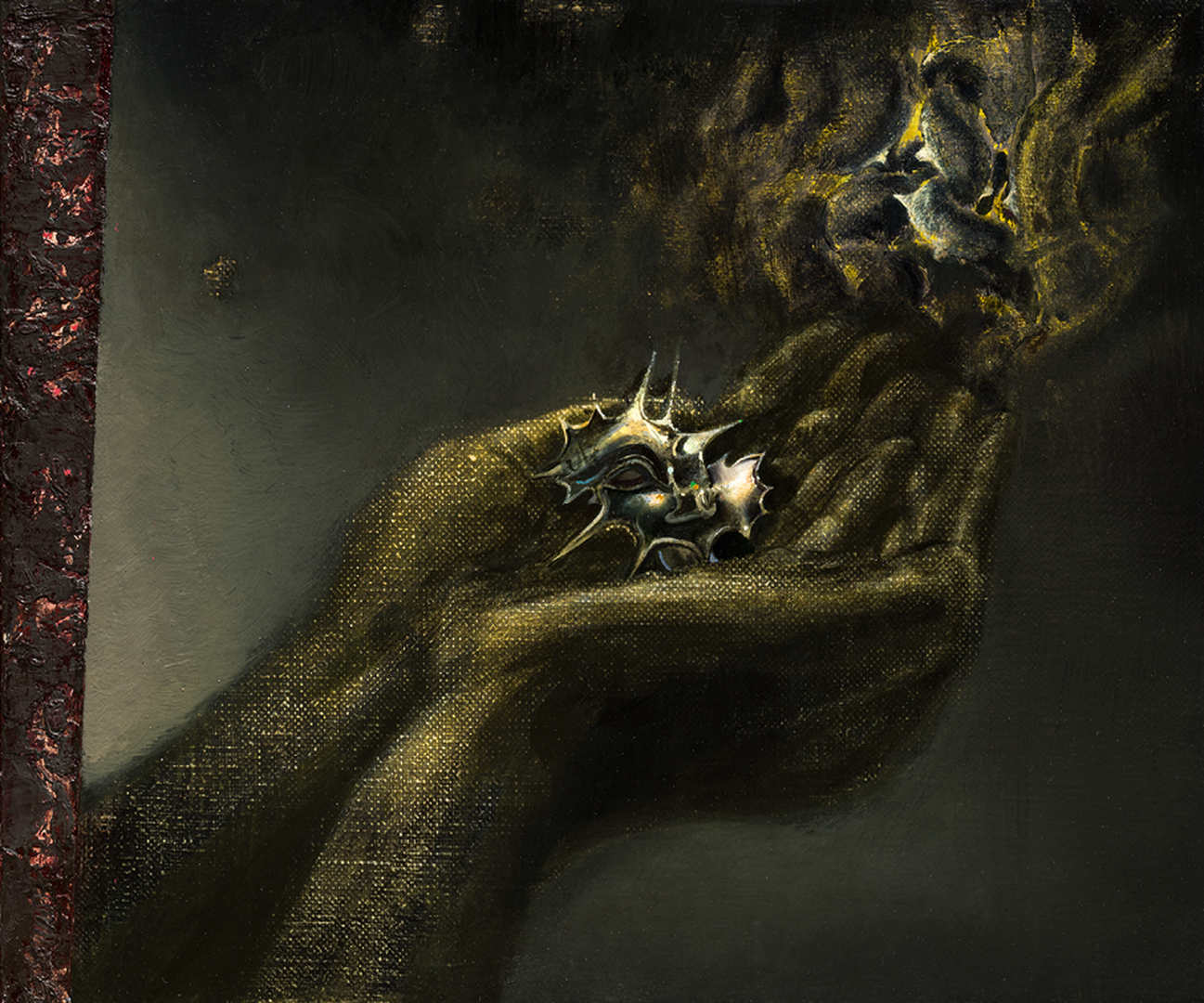
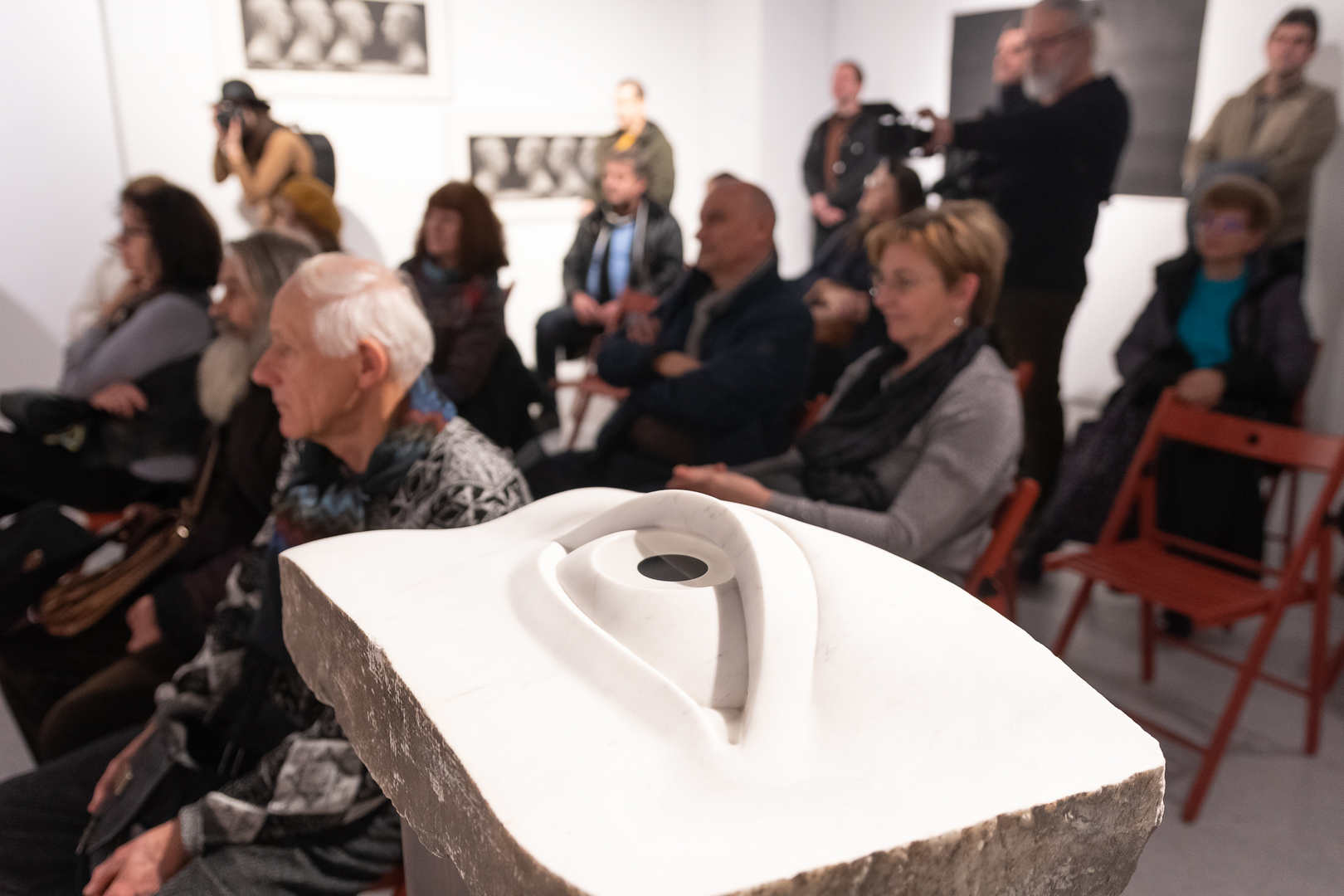
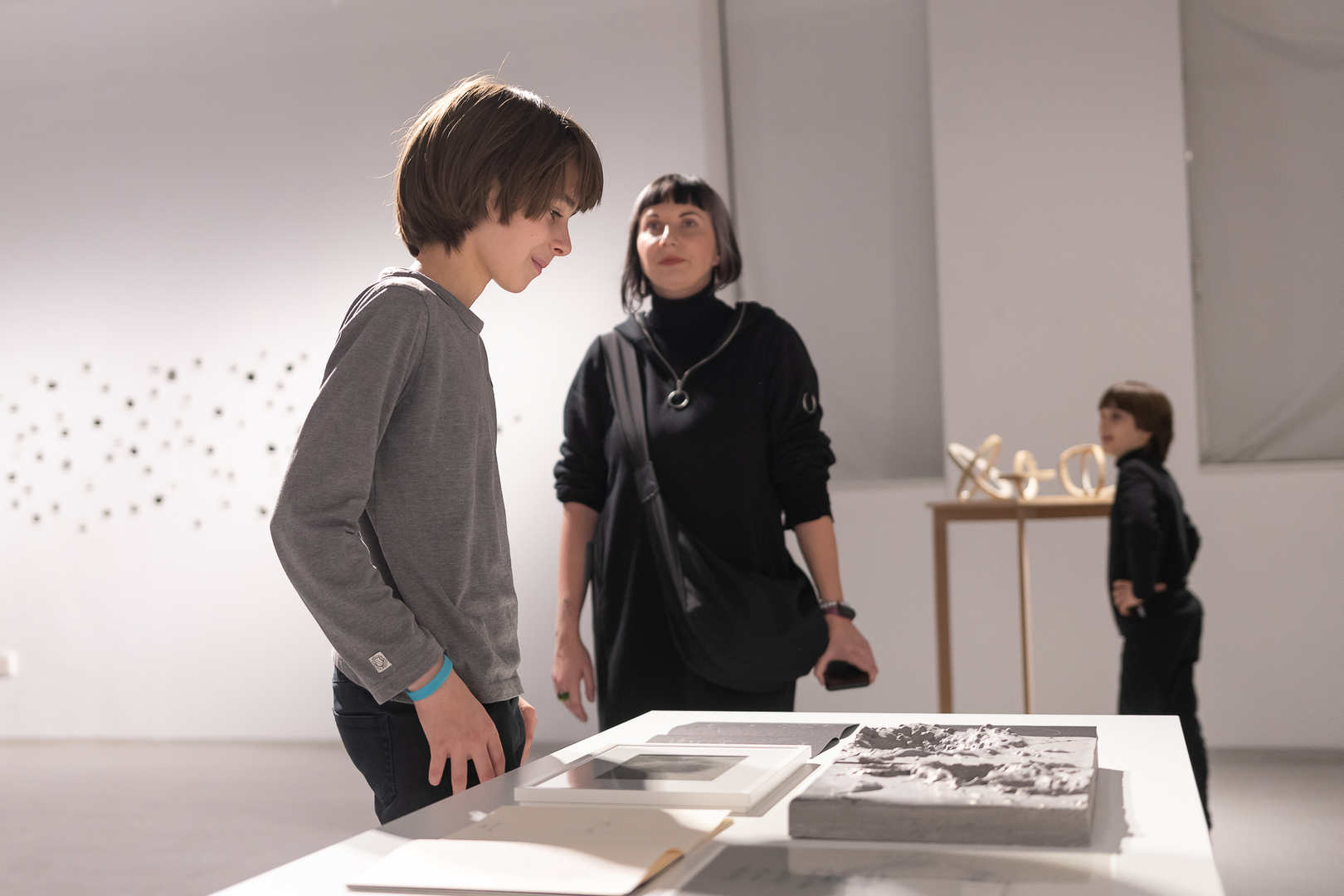
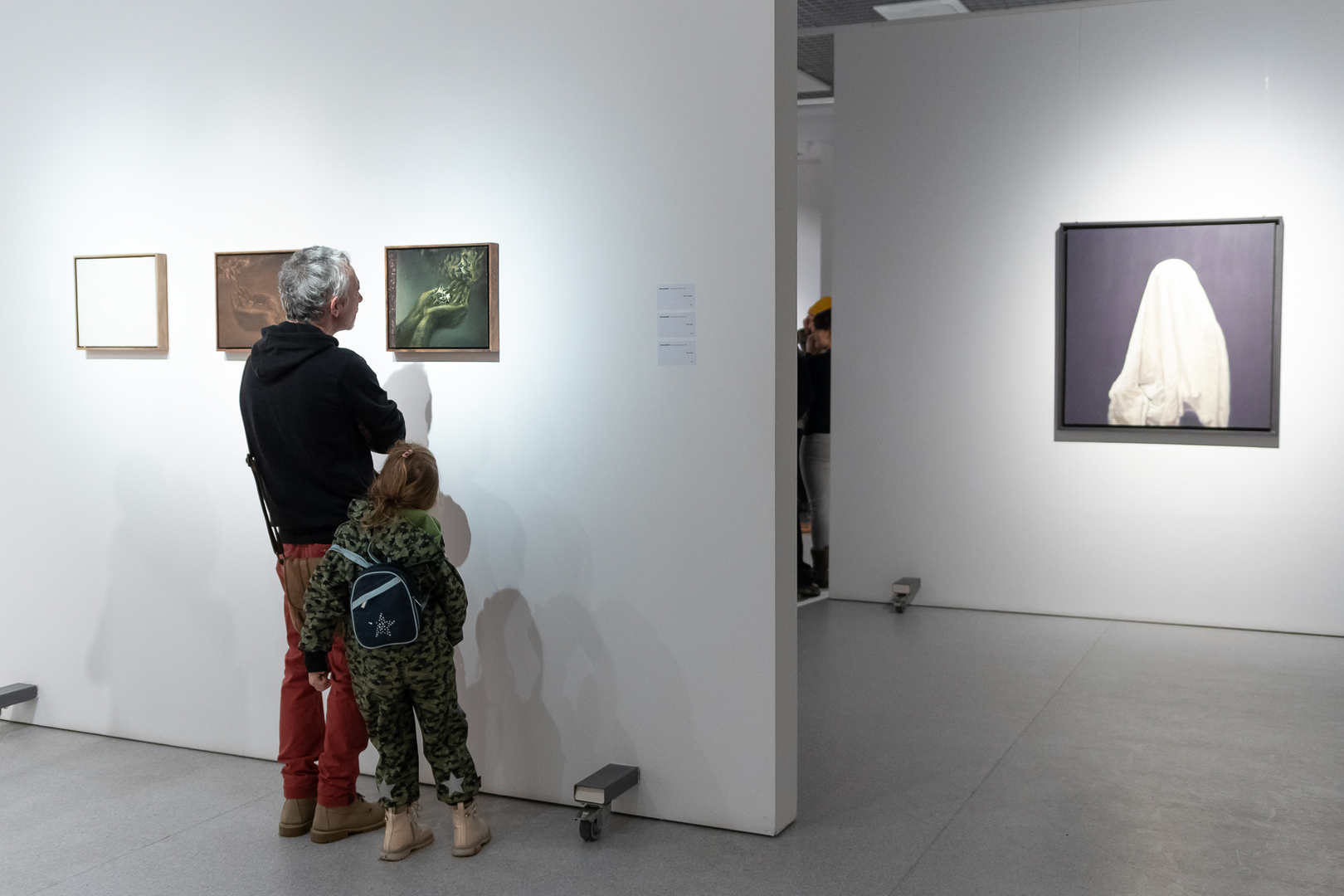
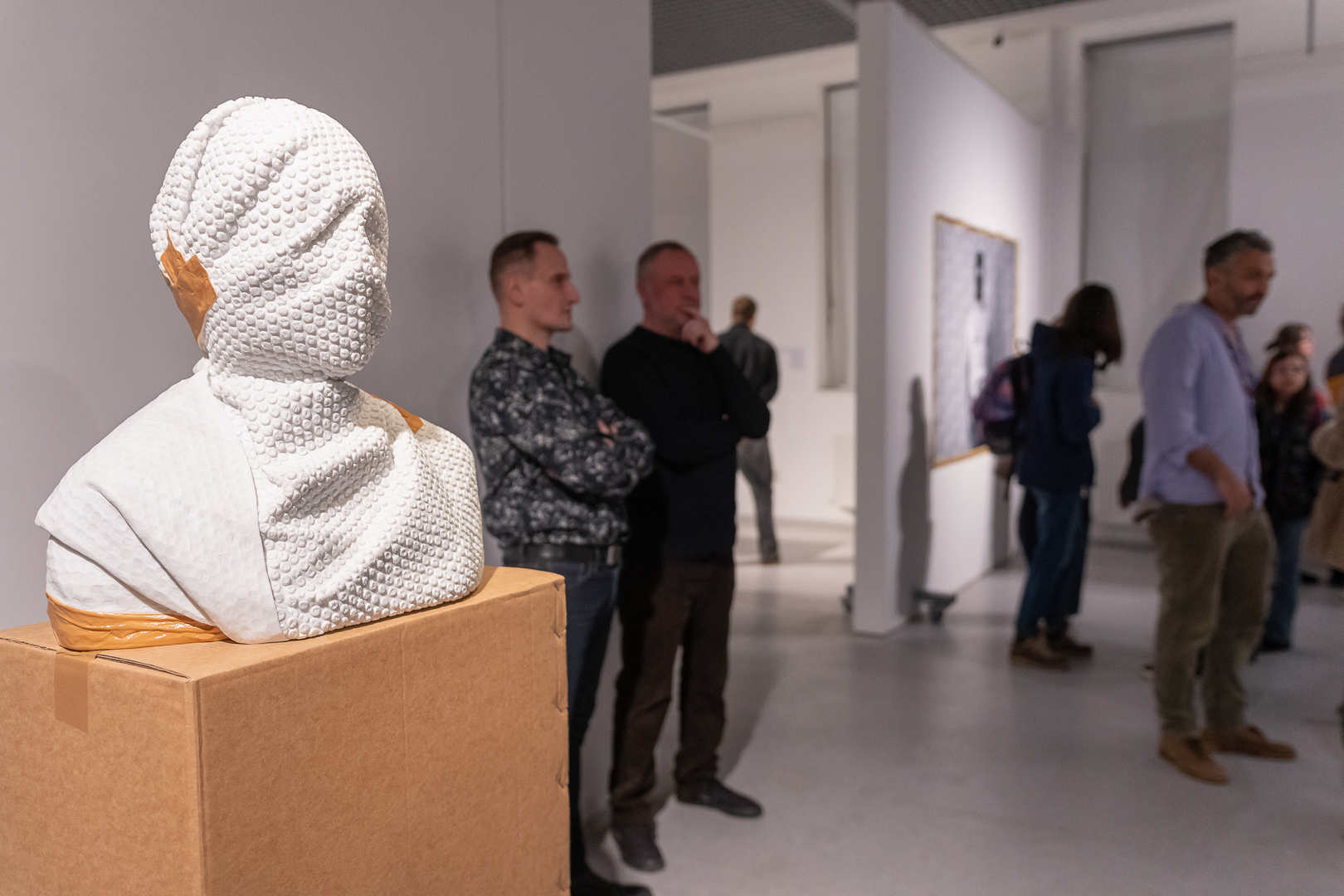
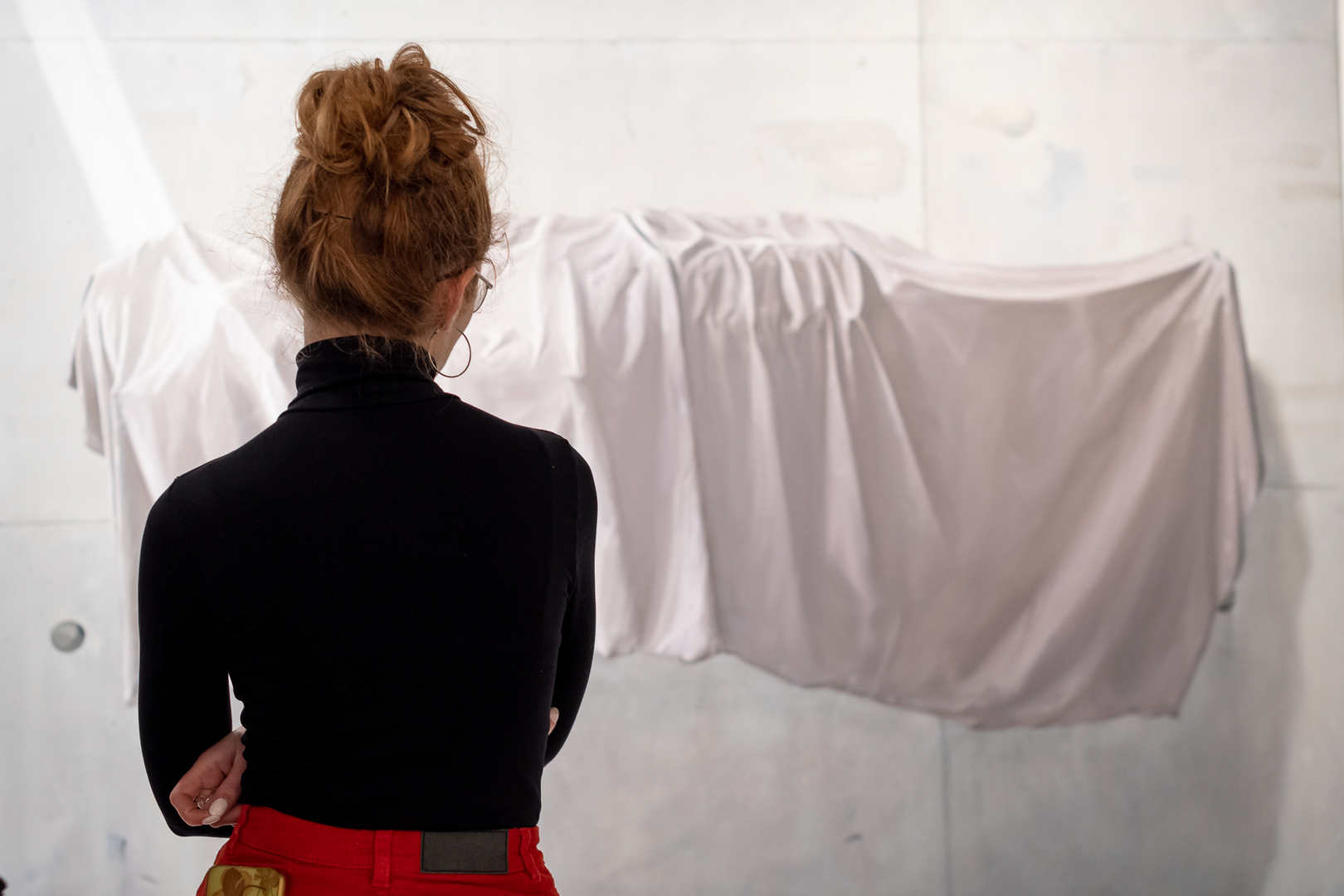
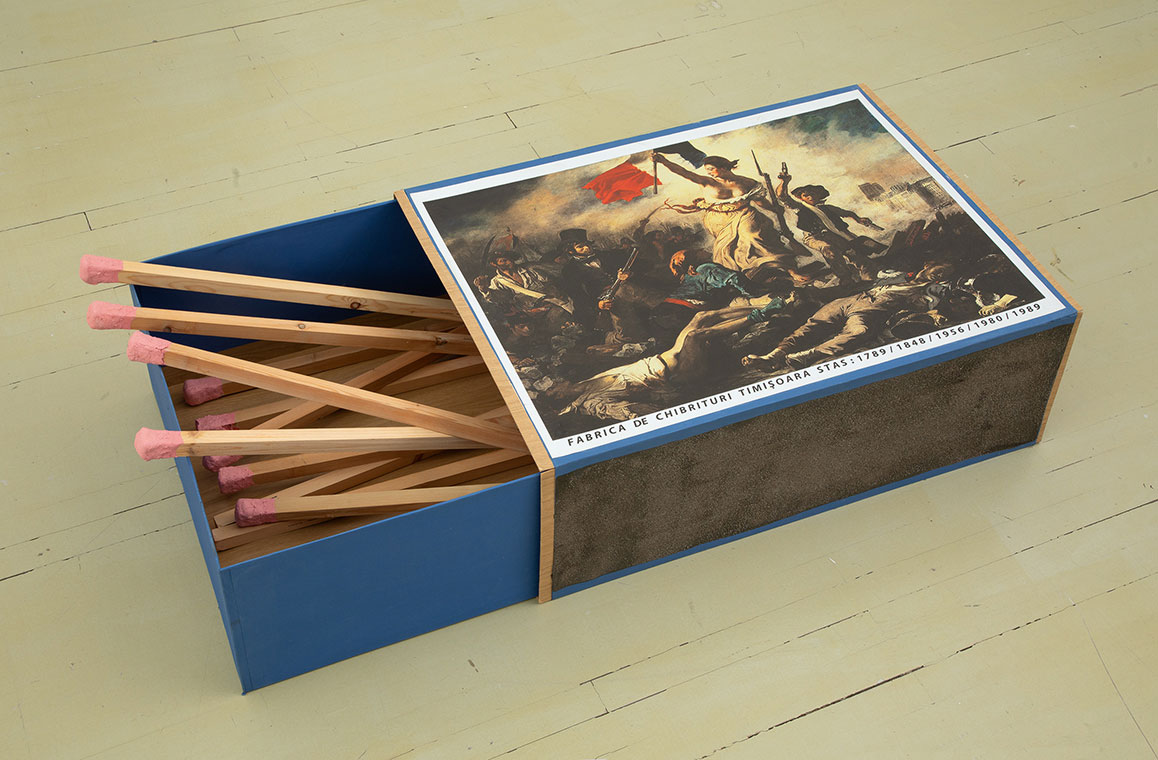
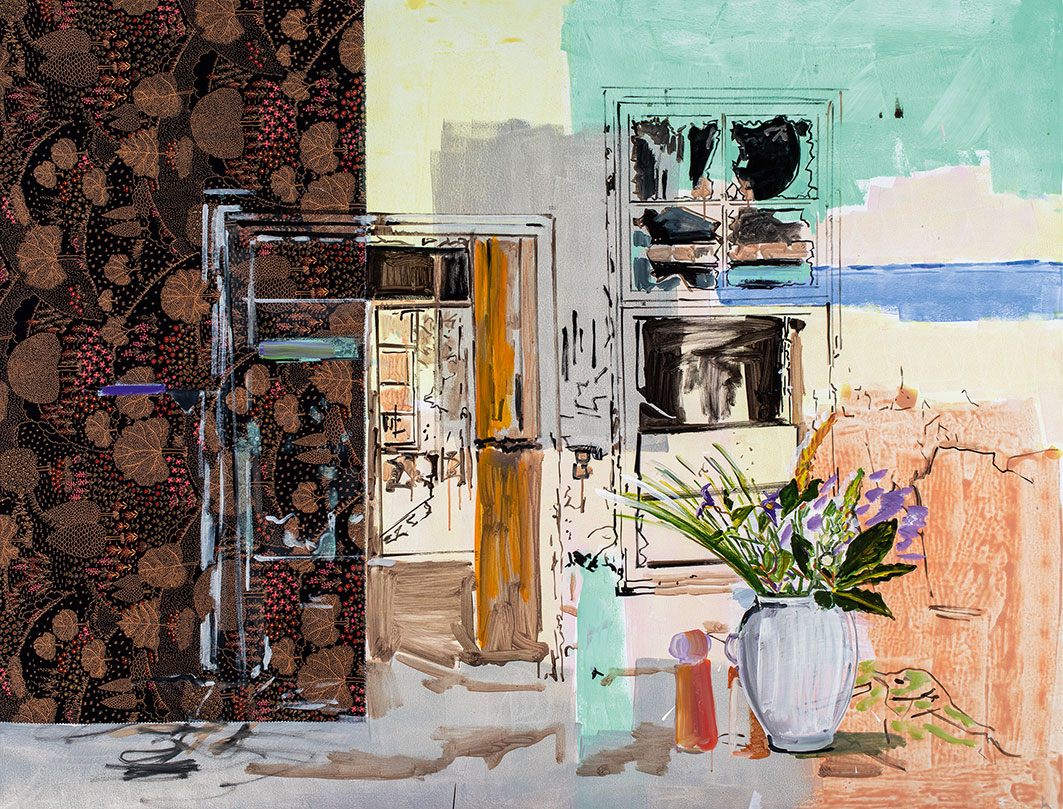
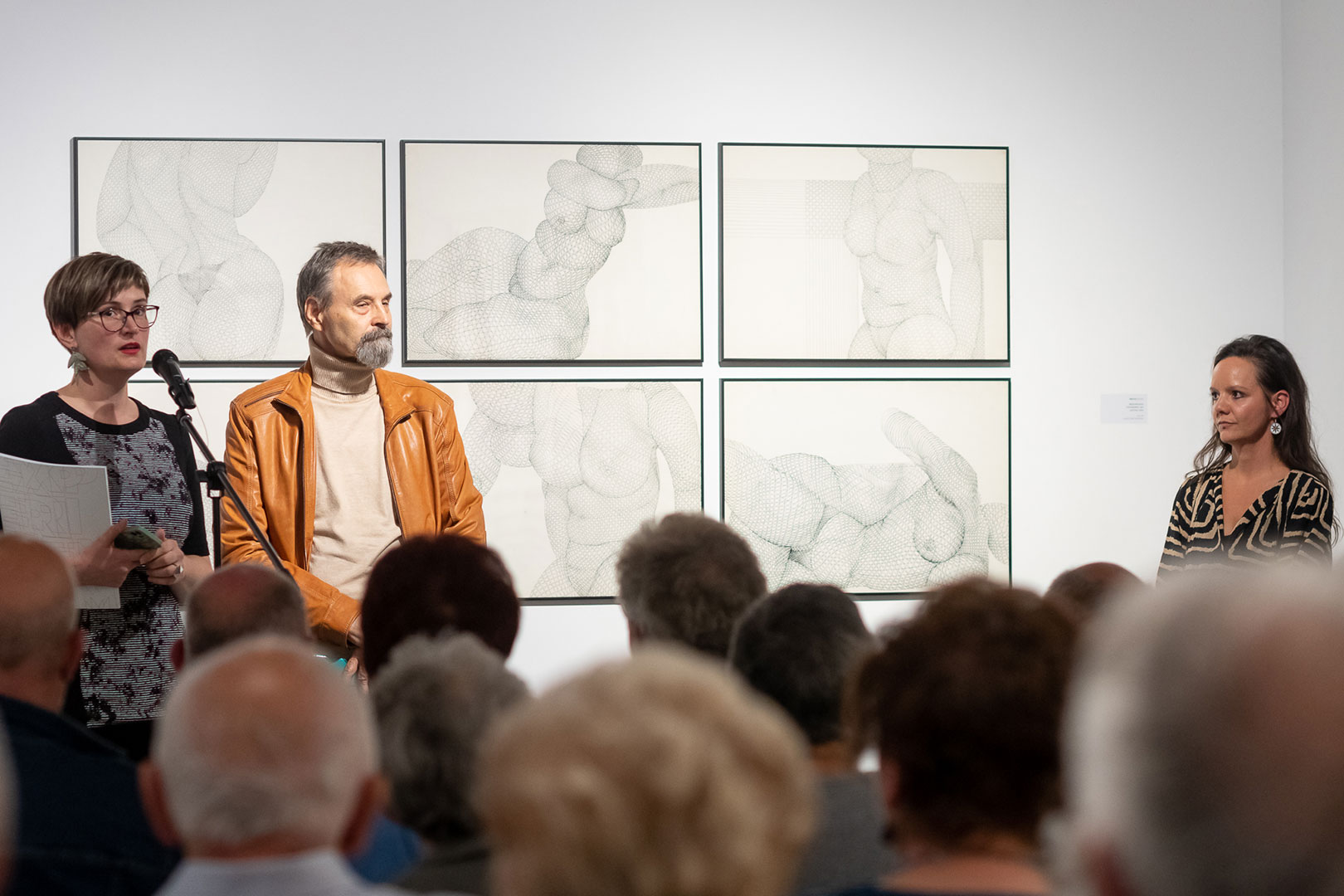
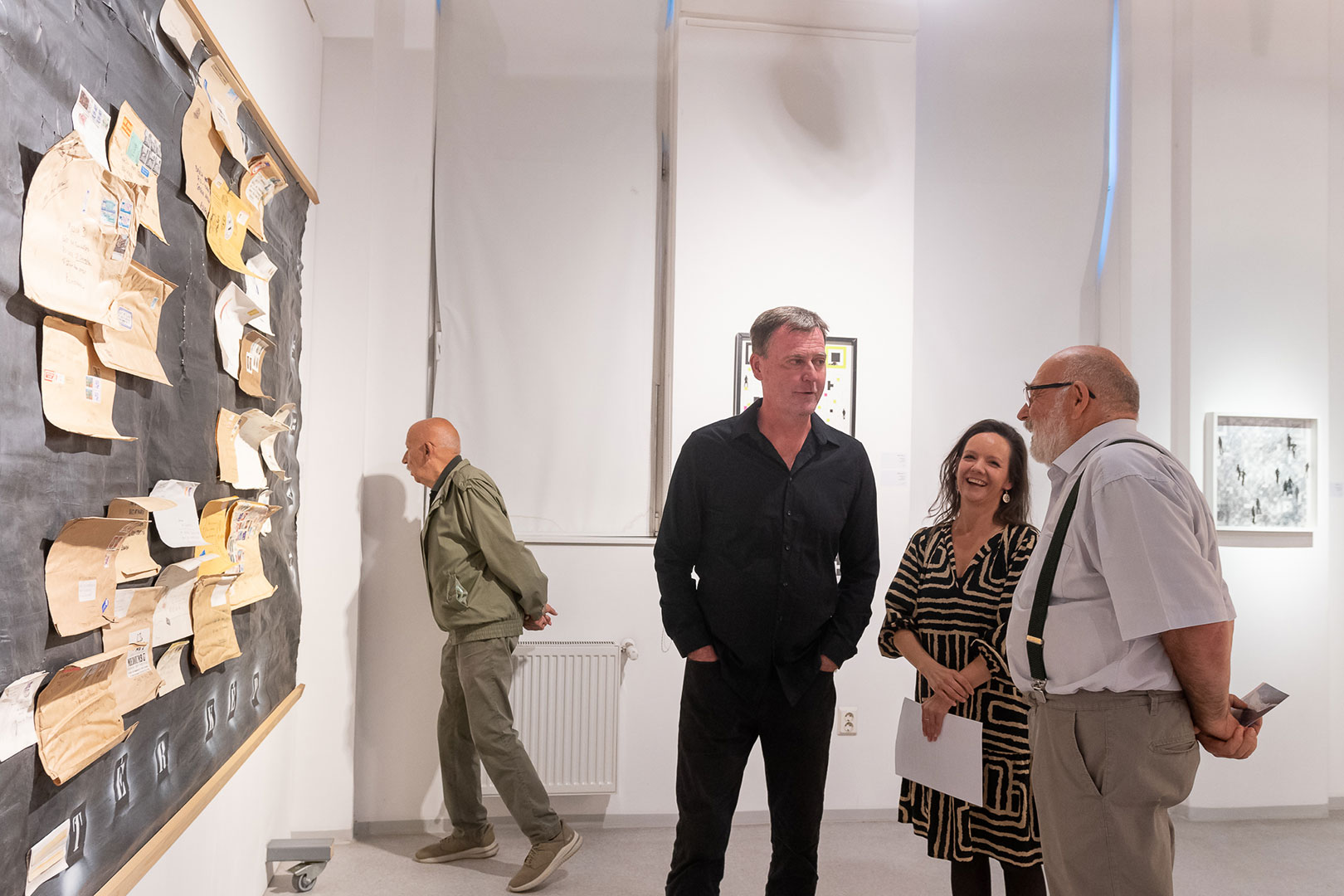
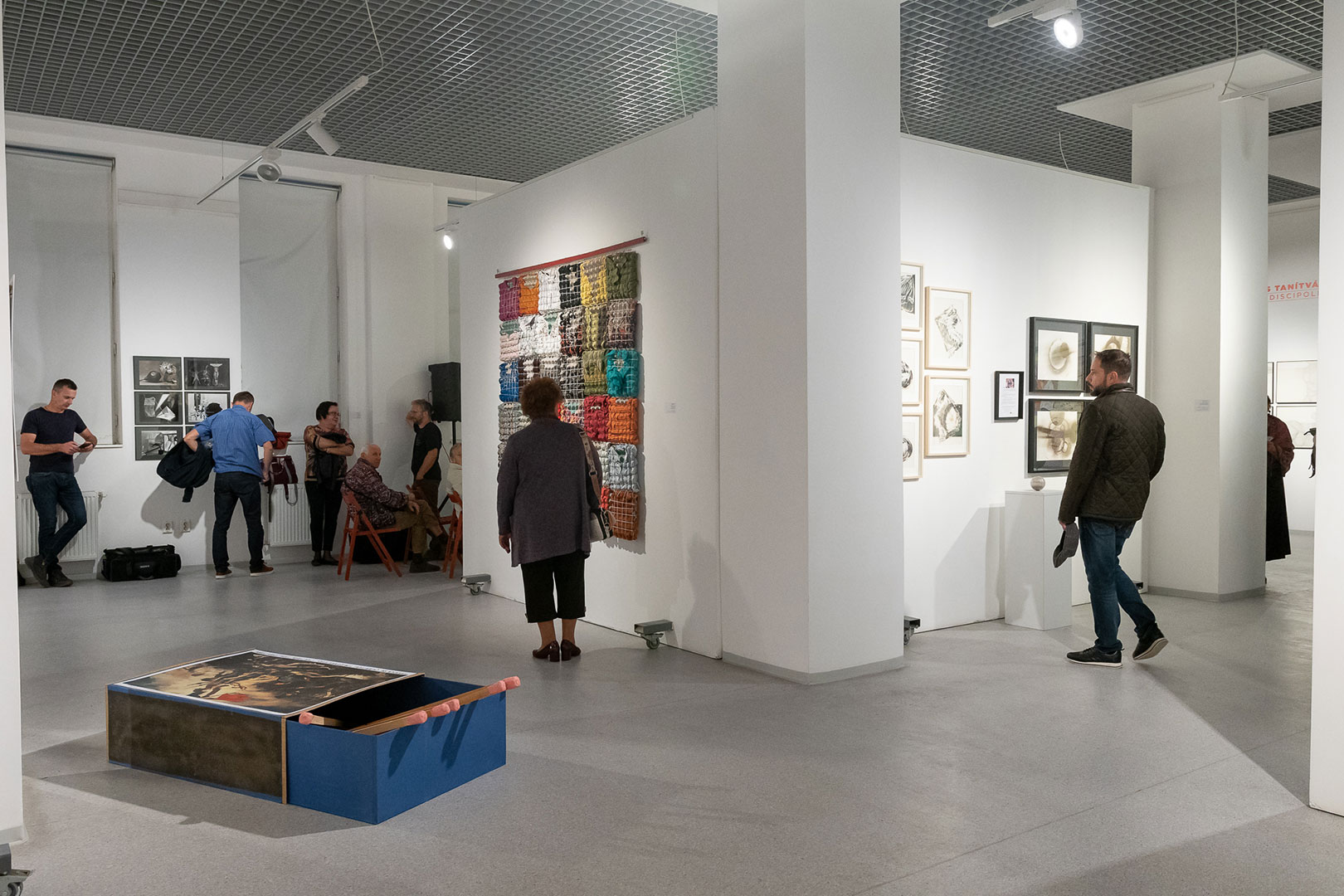
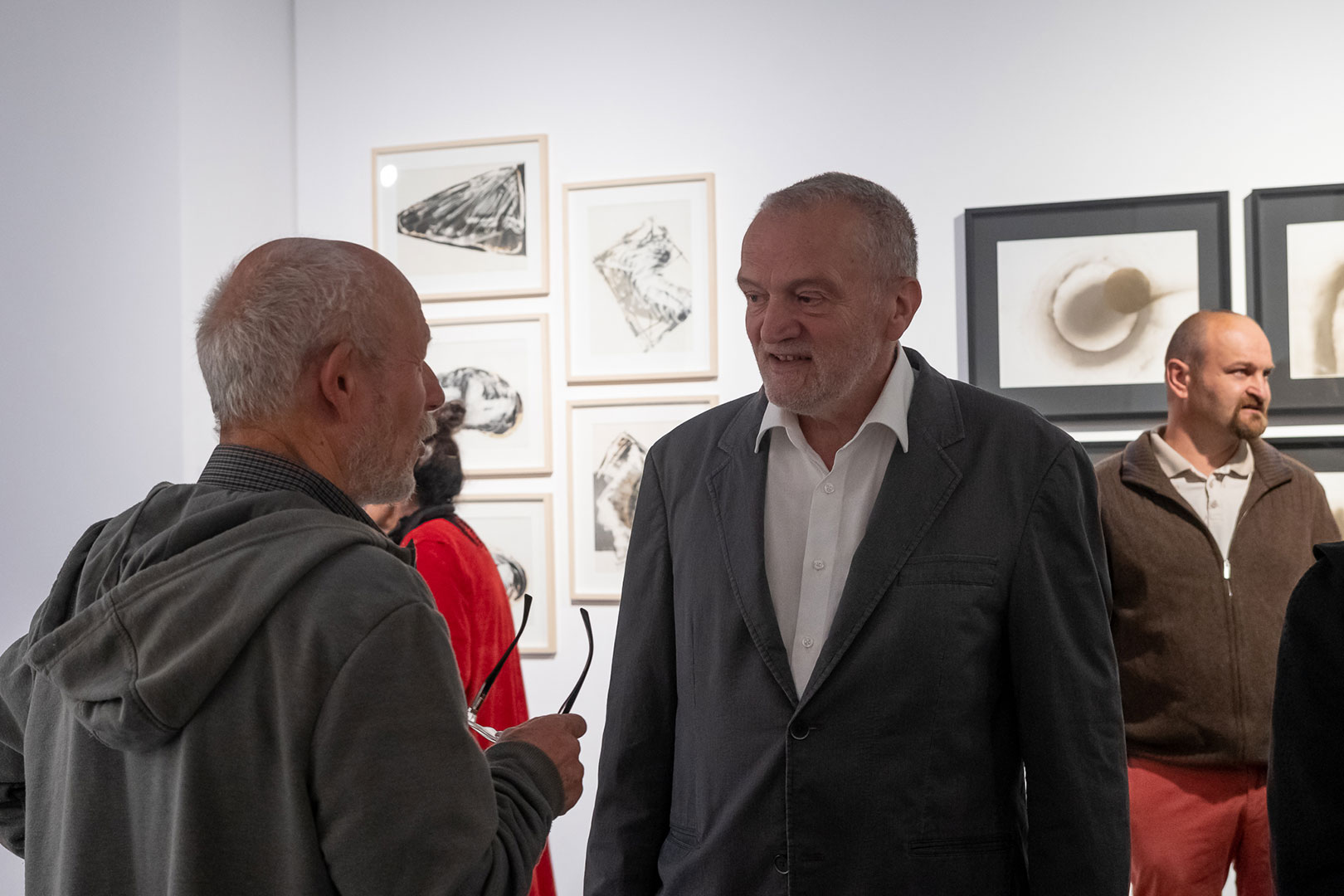
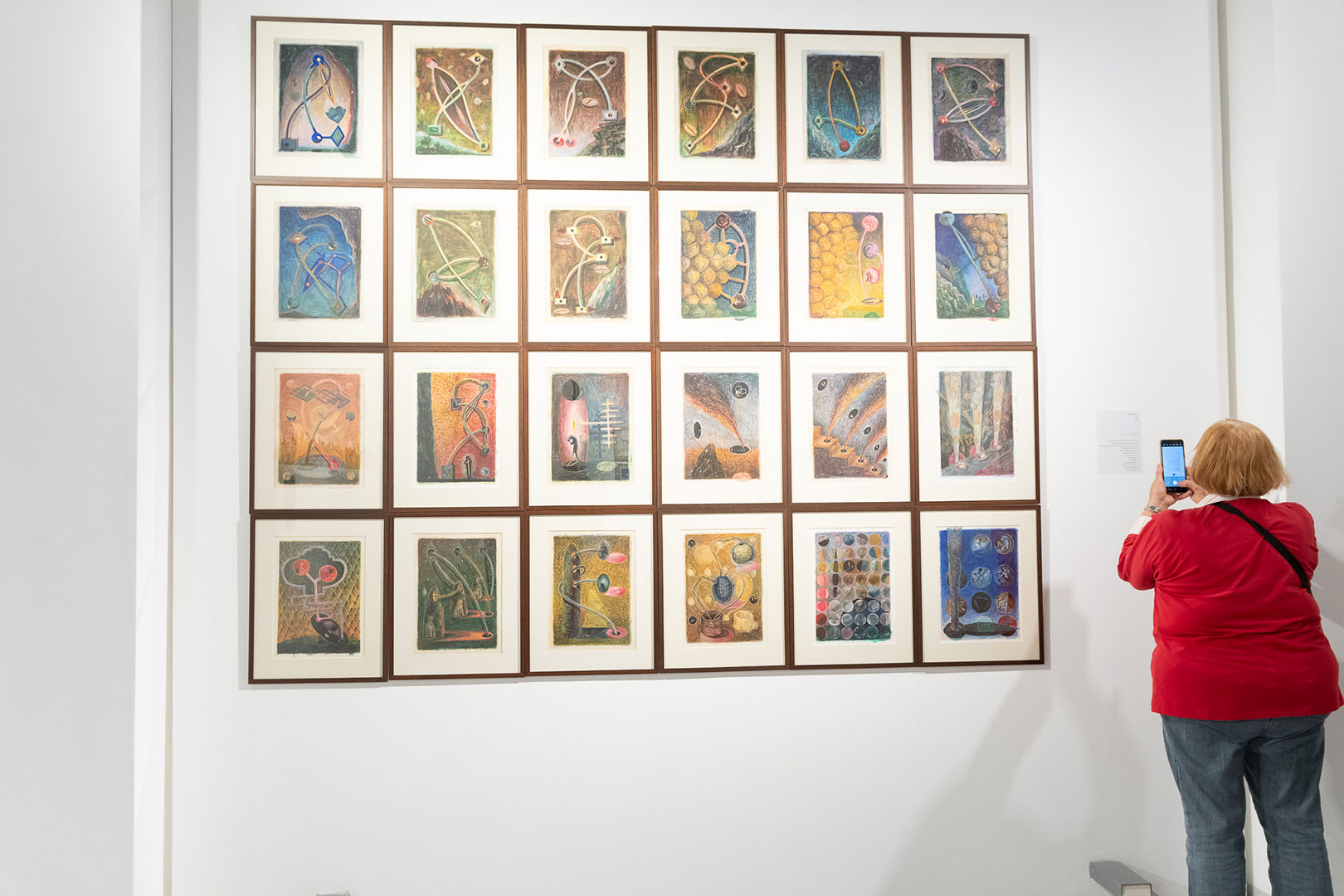
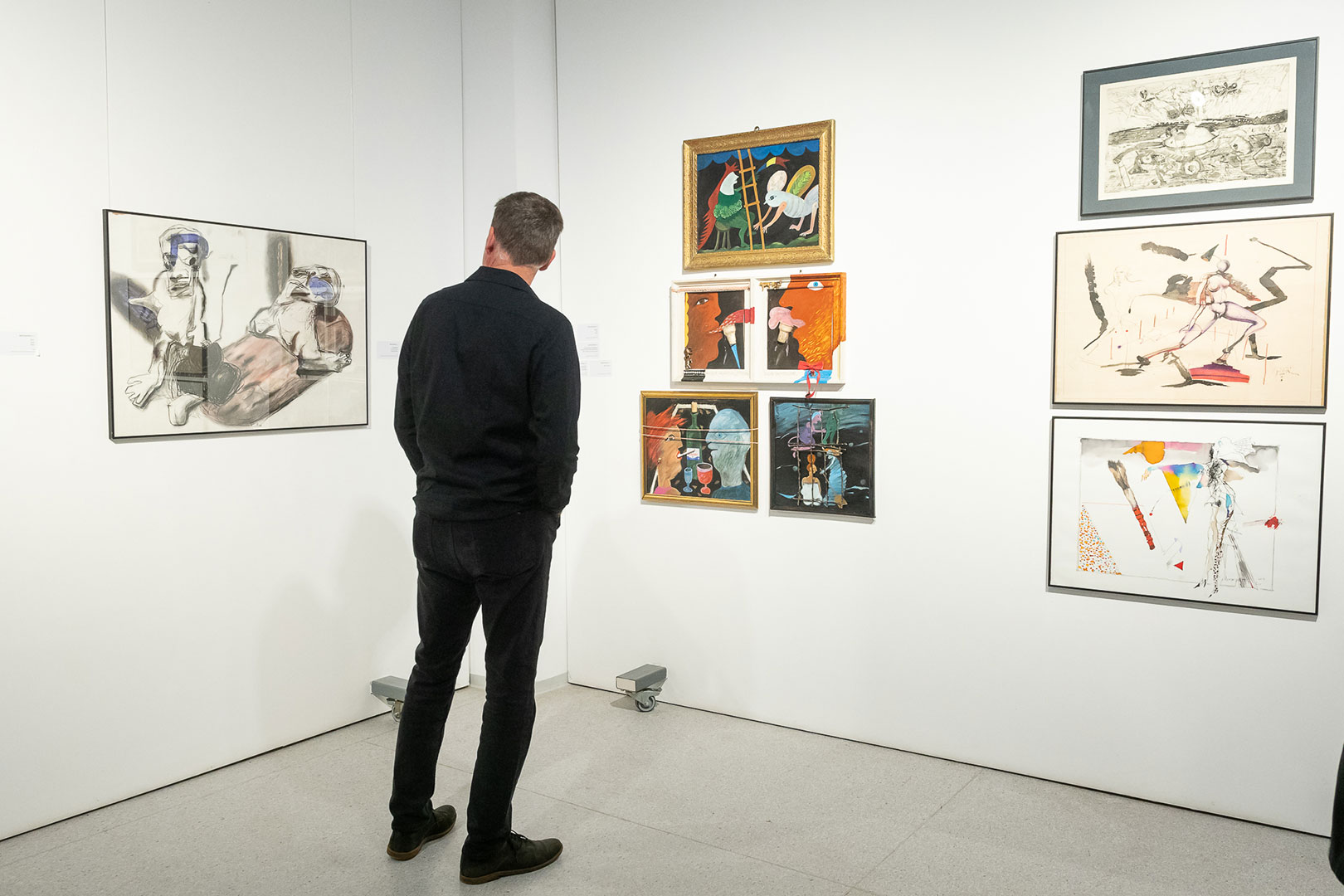
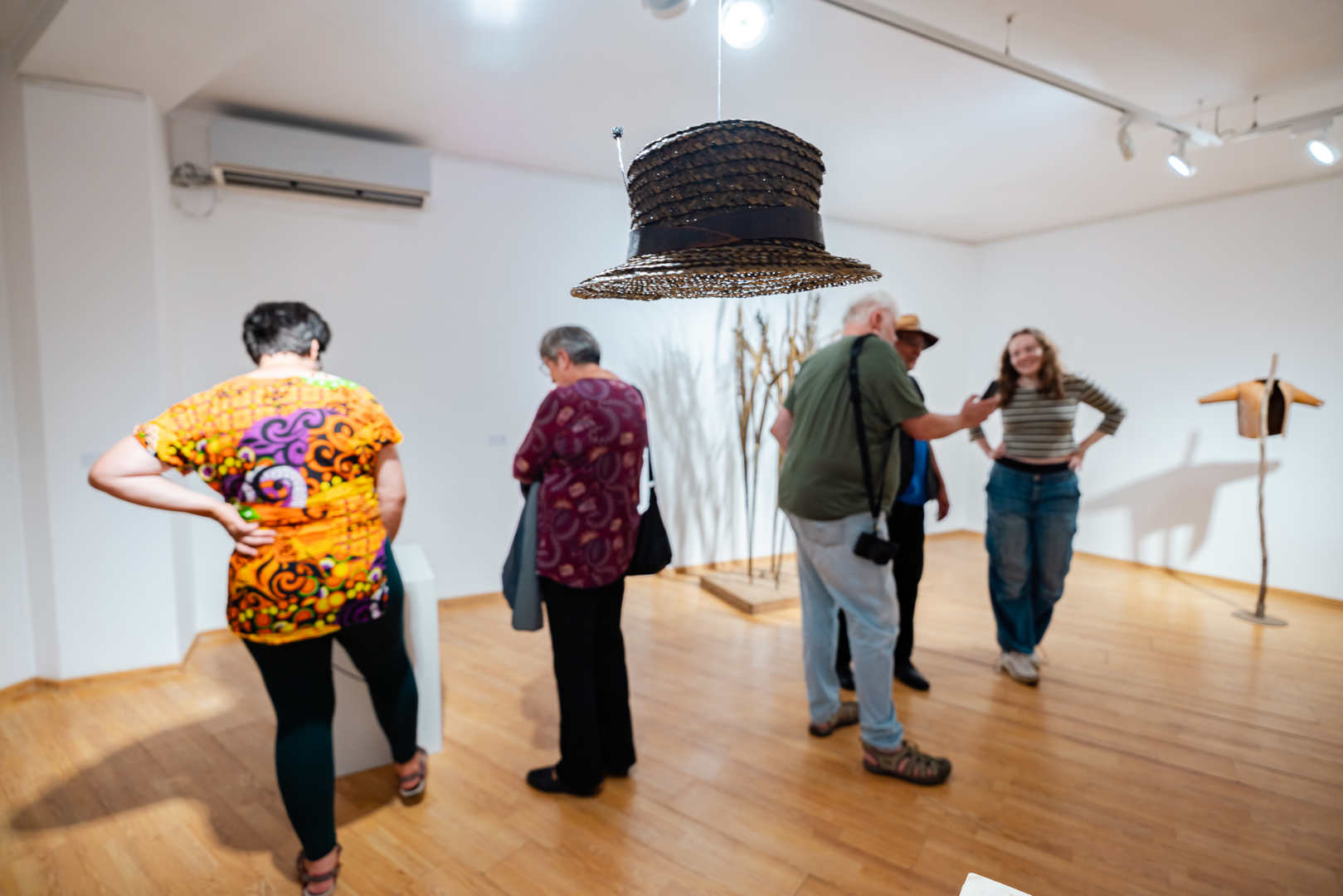
CTRL+ALT+DEL – 3rd Transylvanian Contemporary Art Salon

CTRL+ALT+DEL – 3rd Transylvanian Contemporary Art SalonDuration of the exhibition: 12th of December 2025 – 20th of February 2026

Curators: Péter Madaras and Zoltán Hosszú sculptors, coordinator: Tünde Sipos Gaudi, graphic artist

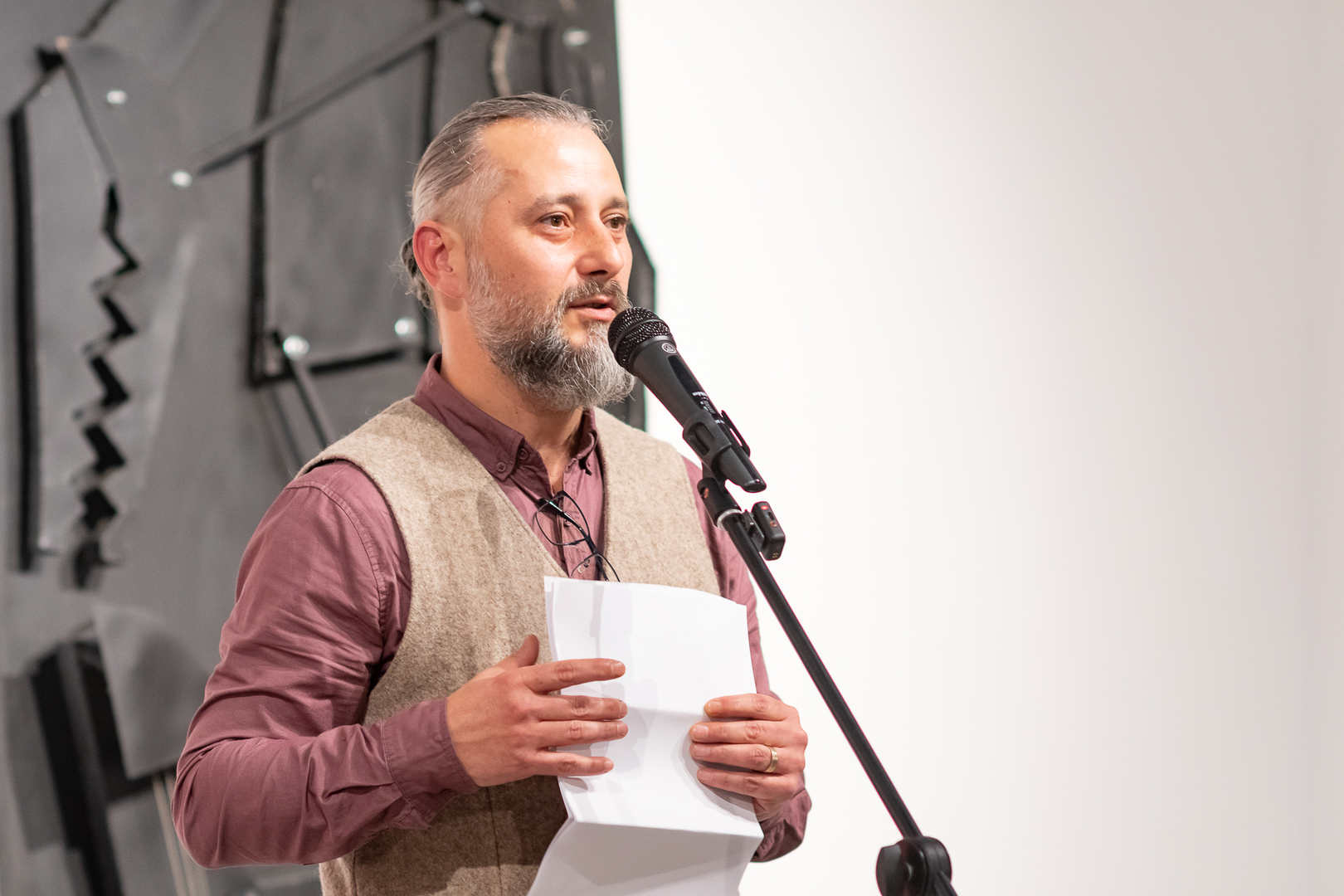
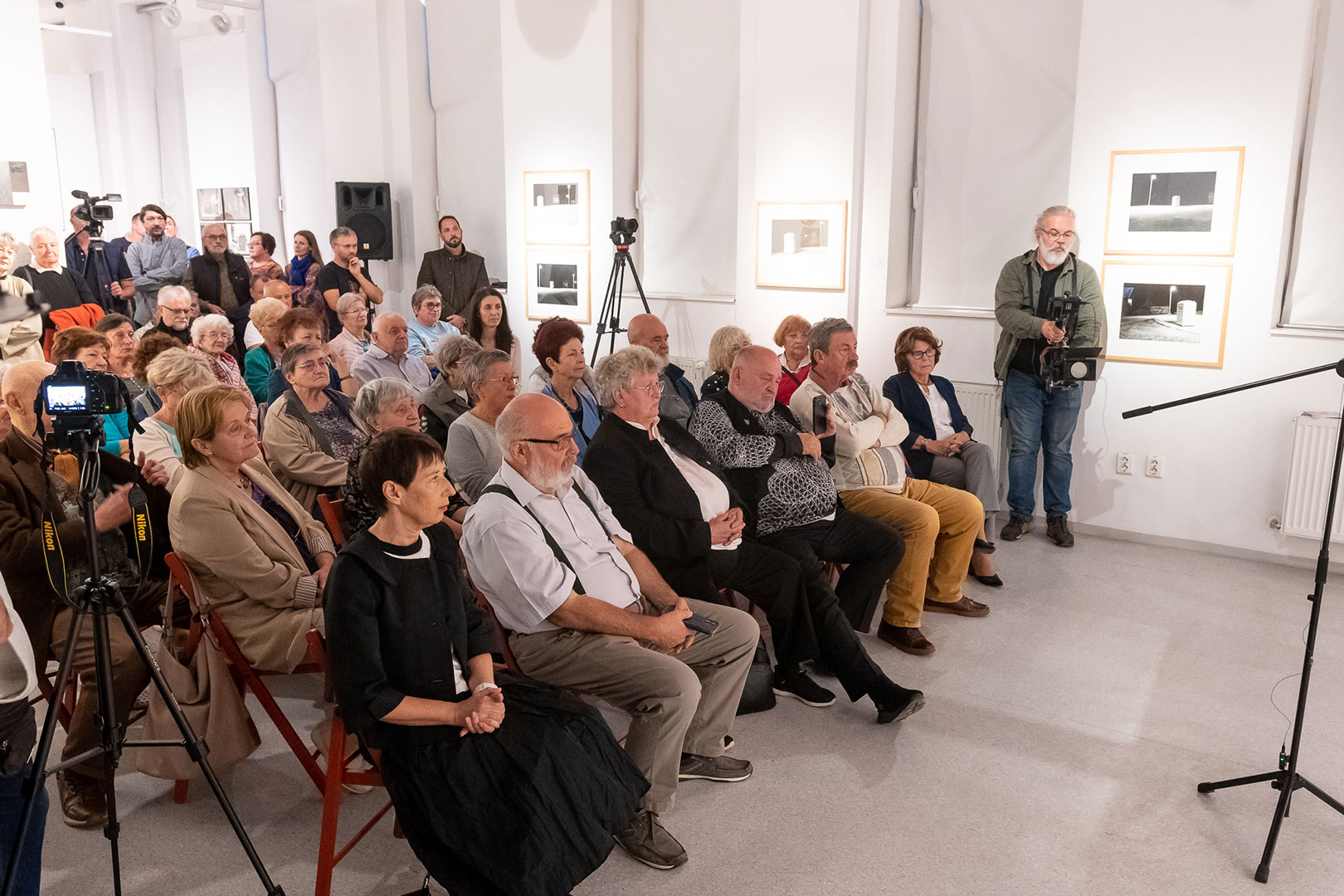
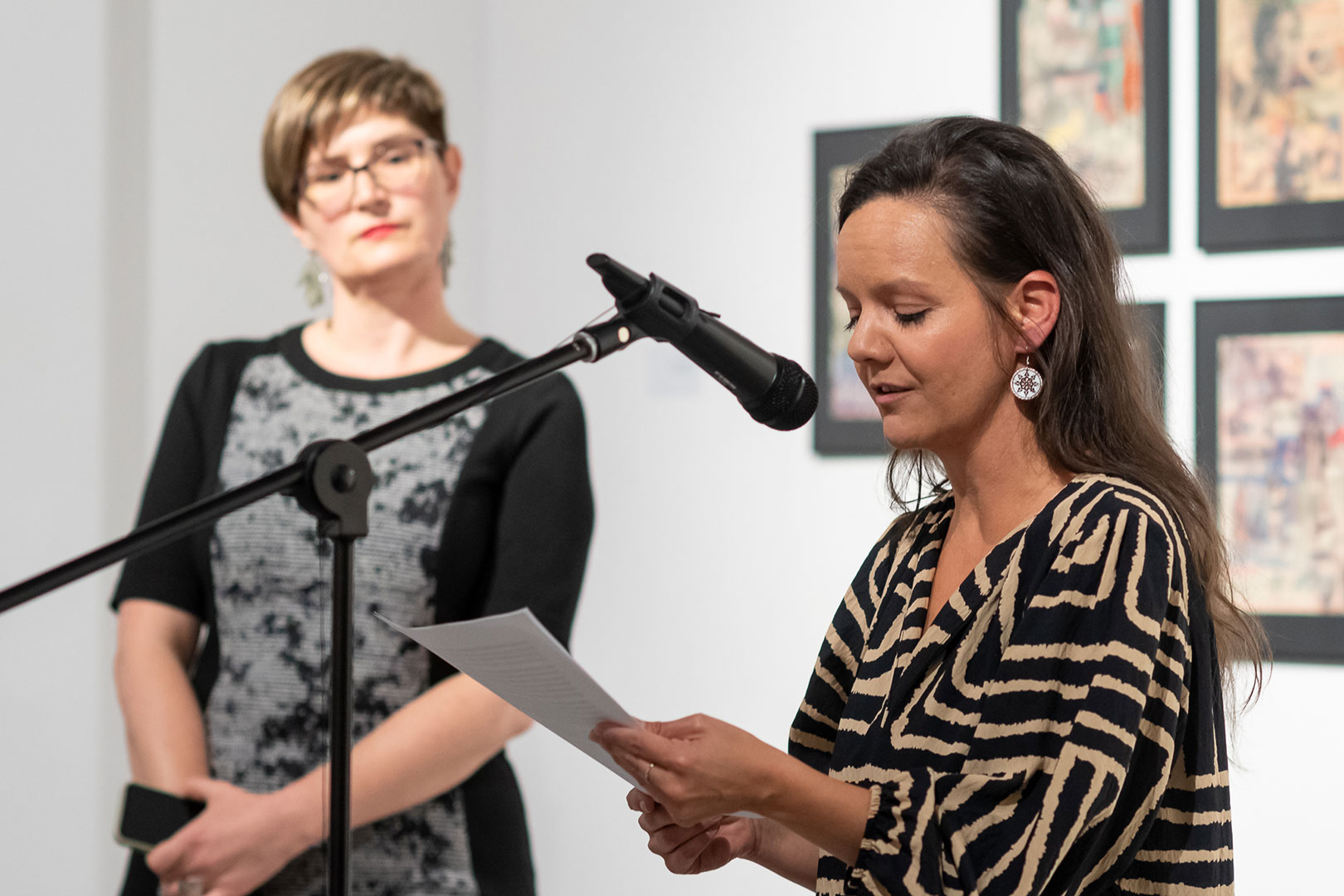
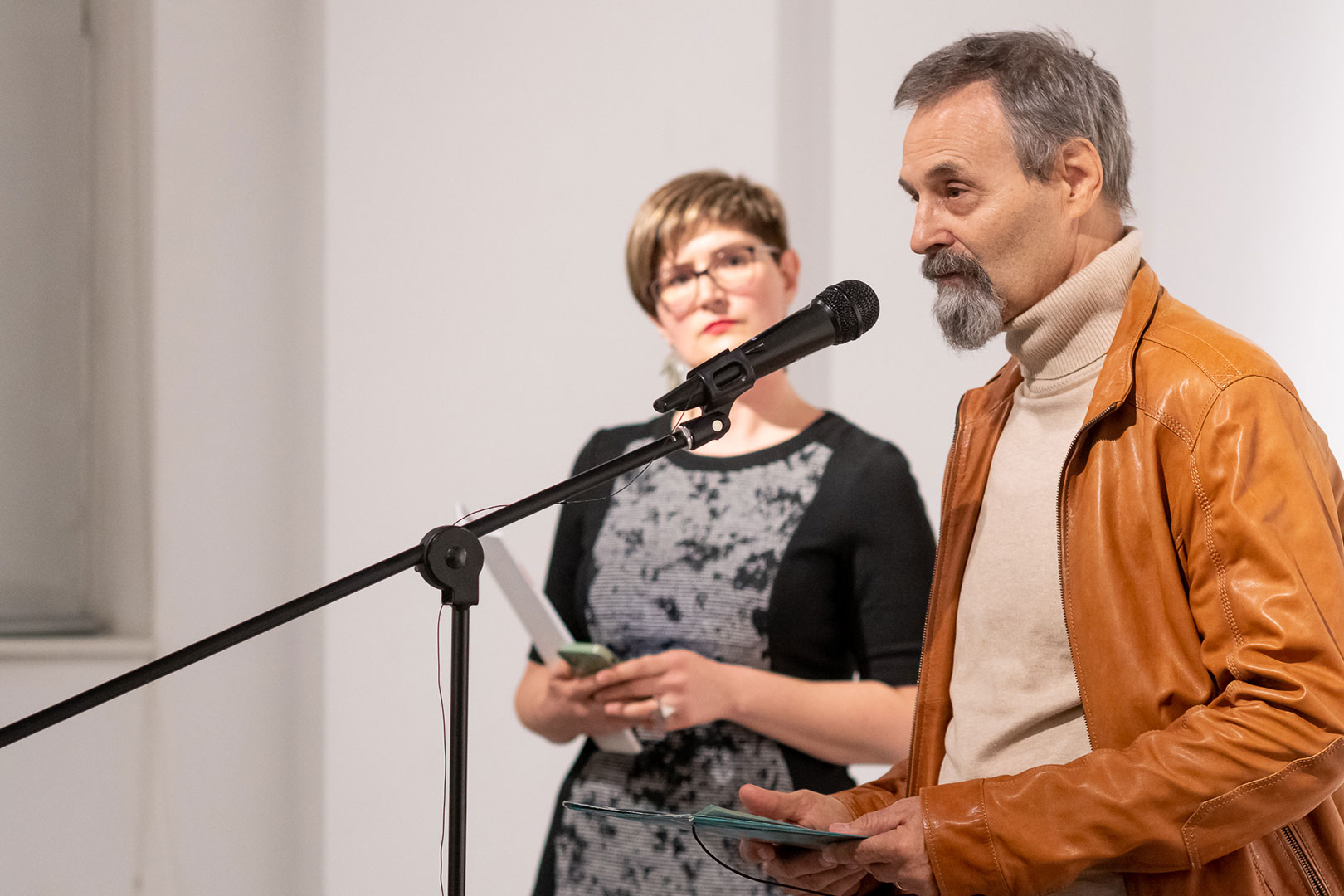
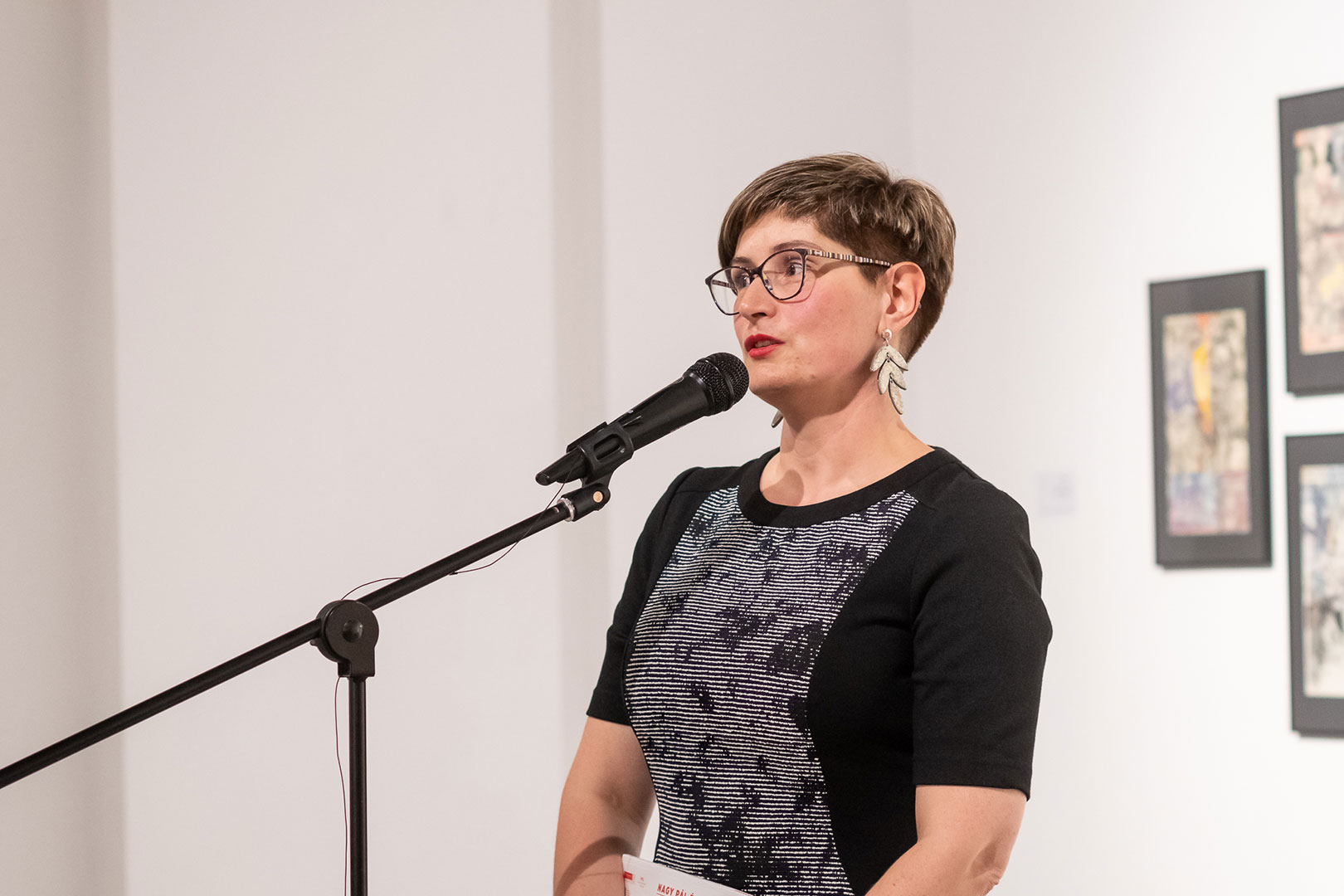
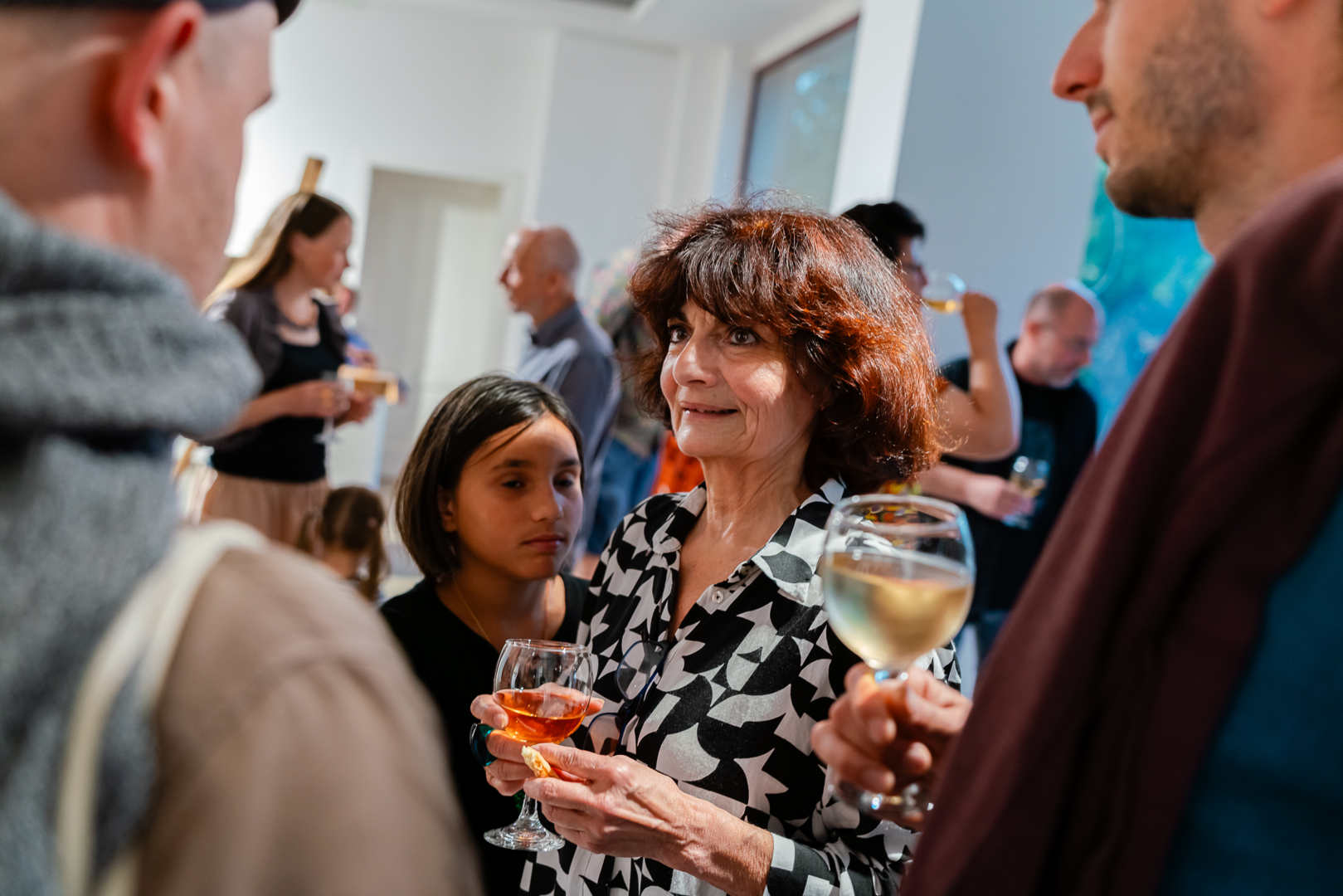
Opening: The exhibition was officially opened by dr. Beáta Bordás, coordinator of the Transylvanian Art Centre and sculptor, co-curator, Zoltán Hosszú on the 12of December 2025 at 6 p.m.

The aim of the visual arts salon organized by curators Péter Madaras and Zoltán Hosszú is to engage with and exhibit visual artists under the age of fifty who were born in Transylvania or who live and work here; to take stock of the current state of their artistic practice by providing them with an opportunity to present the fruits of their creative activity; and, at the same time, to create a comprehensive picture of the diverse visual art manifestations of the Transylvanian spirit of the times, and to follow, but also shape its main directions and canon.

The third edition of the Transylvanian Contemporary Art Salon is a milestone in the history of the event. Transylvanian artists are invited, but unlike in the past, not only Hungarian artists; for the first time, Romanian and other nationalities are also represented. This forward-looking move not only raises the standard of the Biennial, but also draws attention to Transylvania's rich multicultural heritage, which is an integral part of the region's diverse cultural identity.

Ctrl+Alt+Del as a metaphor evokes the gesture of an inner reset: that conscious moment when we set aside the automatic functioning of routines and open a clearer, more sensitive space of attention. The exhibition starts from this gesture and explores how experience transforms when we let go of familiar patterns to make room for a new order. In this way, the exhibition reveals traces of inner “resets”: highlighting the dissolution of certainties, the fragility of transitions, and the slowly unfolding harmony emerging from their reorganization. The viewer is not only a witness but also a participant in this transformation: from the visual comes thought, from thought comes experience, and from experience comes personal revelation.

Exhibiting artists: István BÁBA (Carei, 1992), Norbert László BÁLINT (Odorheiu Secuiesc, 2000), Imre BERZE (Odorheiu Secuiesc, 1985), Ciprian CIUCLEA (Timișoara, 1976), Ștefan Radu CREȚU (Câmpina, 1983), Apor FERENCZ S. (Miercurea Ciuc, 1975), Botond GAGYI (Târgu Mureș, 1992), Adela GIURGIU (Cluj-Napoca, 1990), Uliana GUJUMAN (Chișinău, 1990), Levente HORVÁTH (Joseni, 1977), Előd IZSÁK (Sfântu Gheorghe, 1980), Róbert Pál KÖTELES (Salonta, 1975), Csaba LÉSTYÁN (Miercurea Ciuc, 1975), Dávid MIHOLCSA (Târgu Mureș, 2000), Hajnal MIKLÓS (Gheorgheni, 1977), Ada MUNTEAN (Cluj-Napoca, 1987), Előd ORBÁN (Târgu Mureș, 1984), Botond POLGÁR (Gheorgheni, 1980), Diana POPUȚ (Cluj-Napoca, 1994), Tünde SIPOS GAUDI (Săcele, 1981), Anna SZÁSZ-BÁNYÁSZ (Gheorgheni, 1996), János SZÉCSI (Szentes, 1981), Attila TAMÁS (Rupea, 1977), Andrea TIVADAR (Satu Mare, 1991), Edith TORONY (Timișoara, 1988), Barnabás VETRÓ BODONI (Baji) (Cluj-Napoca, 1977), Dan VEZENTAN (Seini, 1978), Mihai ZGONDOIU (Mediaș, 1982), Béla ZOLTÁN (Târgu Mureș, 1977)

Organizers: Sfântu Gheorghe City Hall, Transylvanian Art Centre Association

Sponsor: Hungarian Government – State Secretary for National Policy, Bethlen Gábor Fund

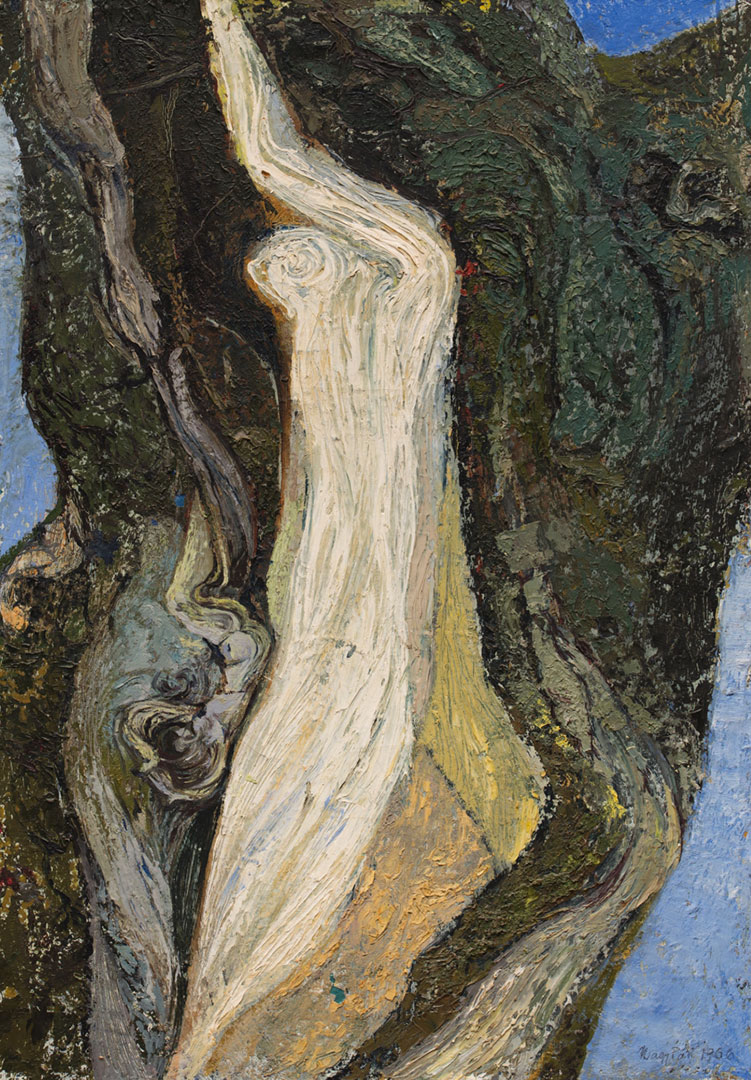
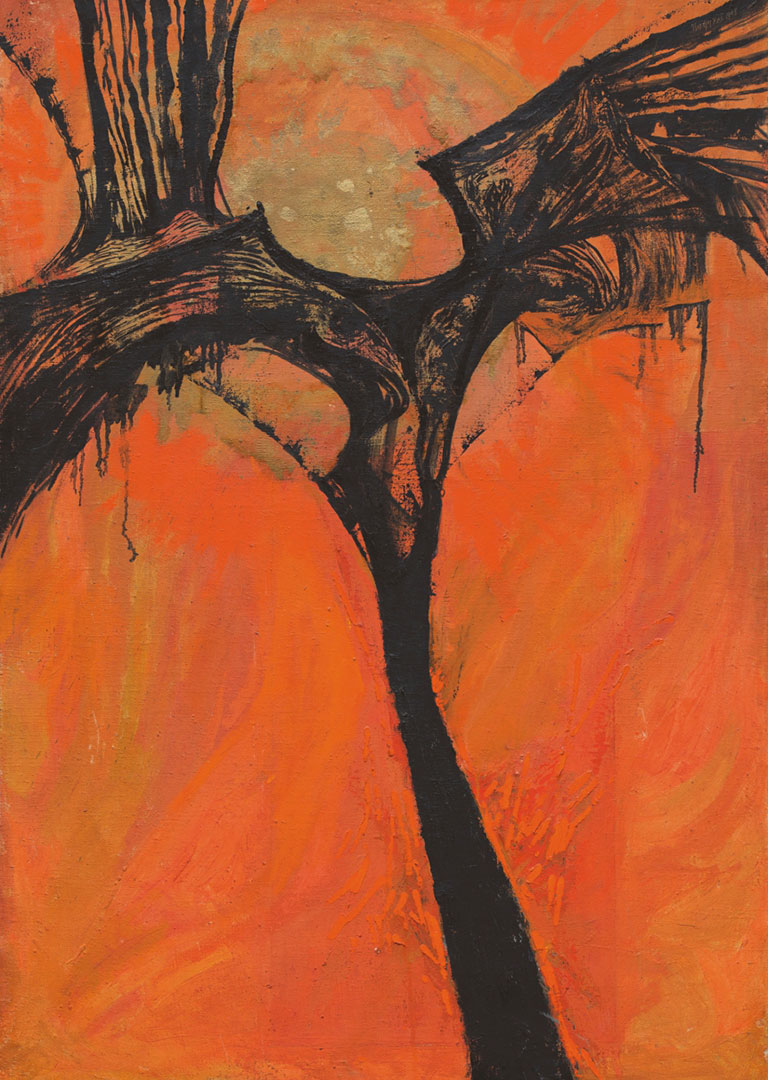
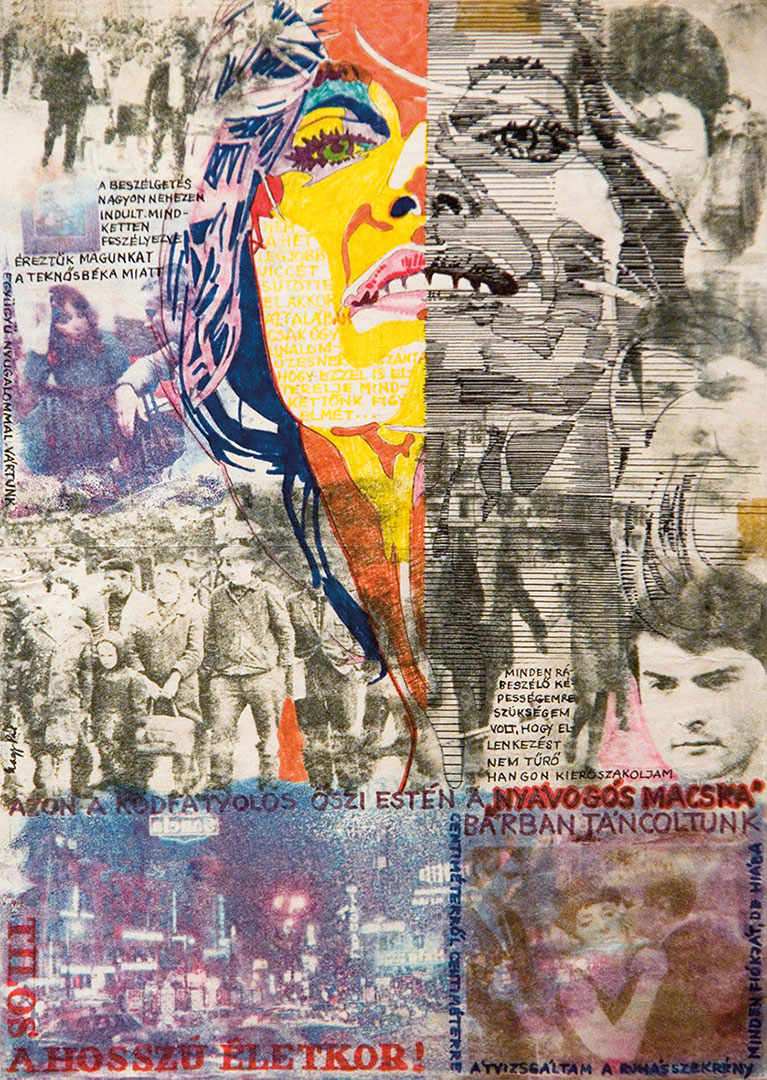
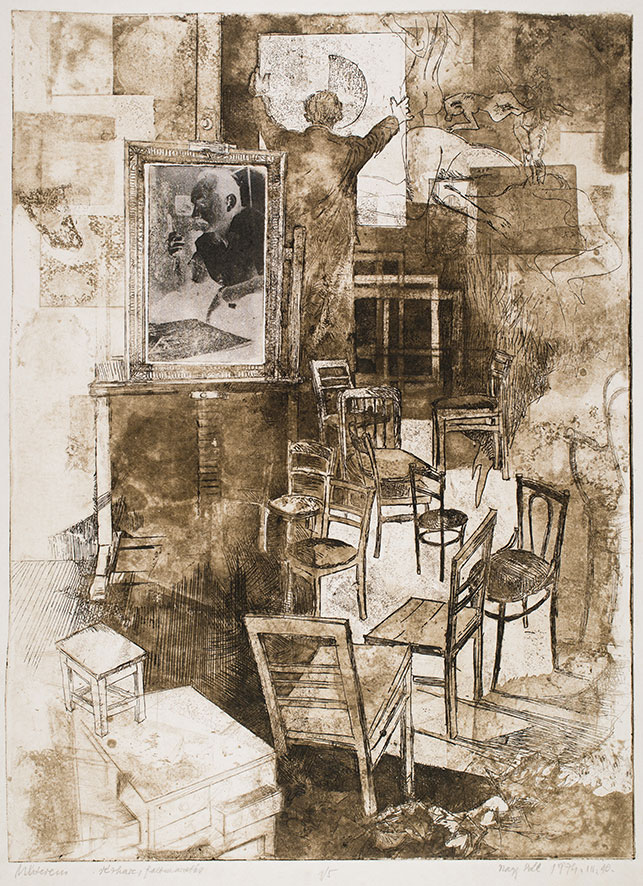
EXPERIMENTUM – Pál Nagy and his disciples – The travelling exhibition of Kunsthalle, Budapest

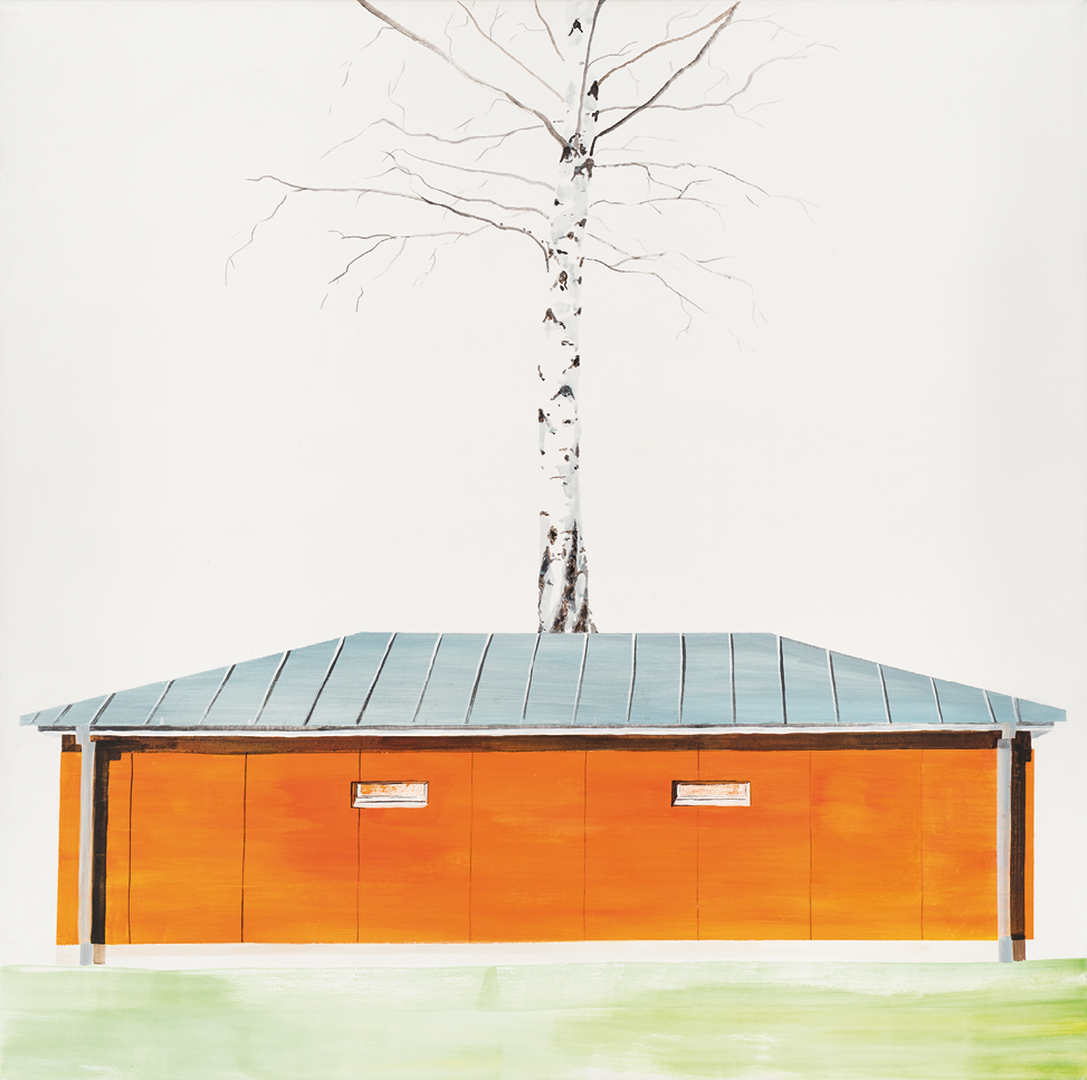
EXPERIMENTUM – Pál Nagy and his disciples – The travelling exhibition of Kunsthalle, BudapestVisiting period: 19th of September – 21th of November 2025
Curator: László Ujvárossy

Opening: The exhibition was officially opened by Beáta Bordás, coordinator of the Transylvanian Art Centre, Gréta Garami, art historian, curator of Kunsthalle, Budapest and László Ujvárossy, curator and initiator of the exhibition on the 19th of September 2025 at 7 p.m.

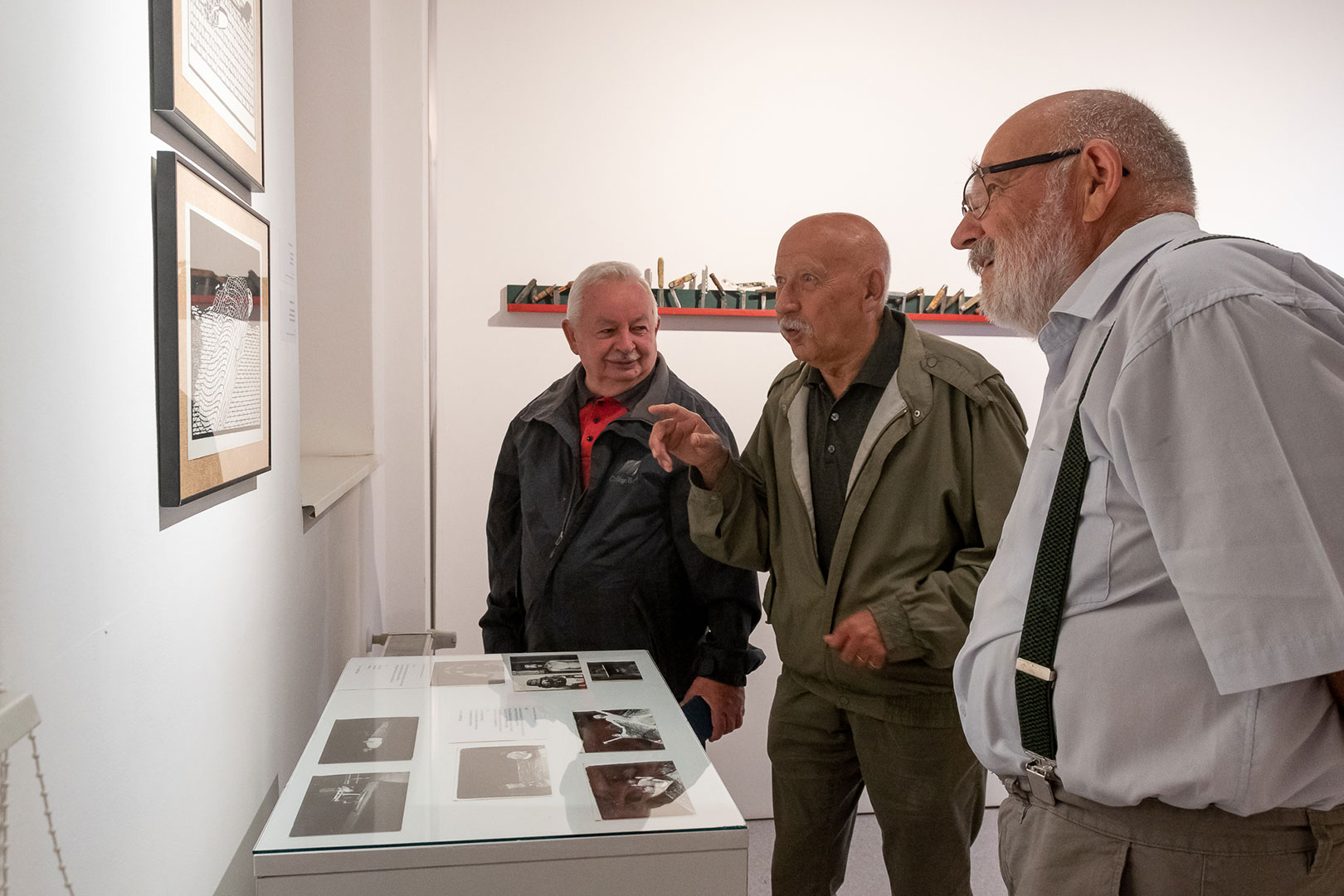
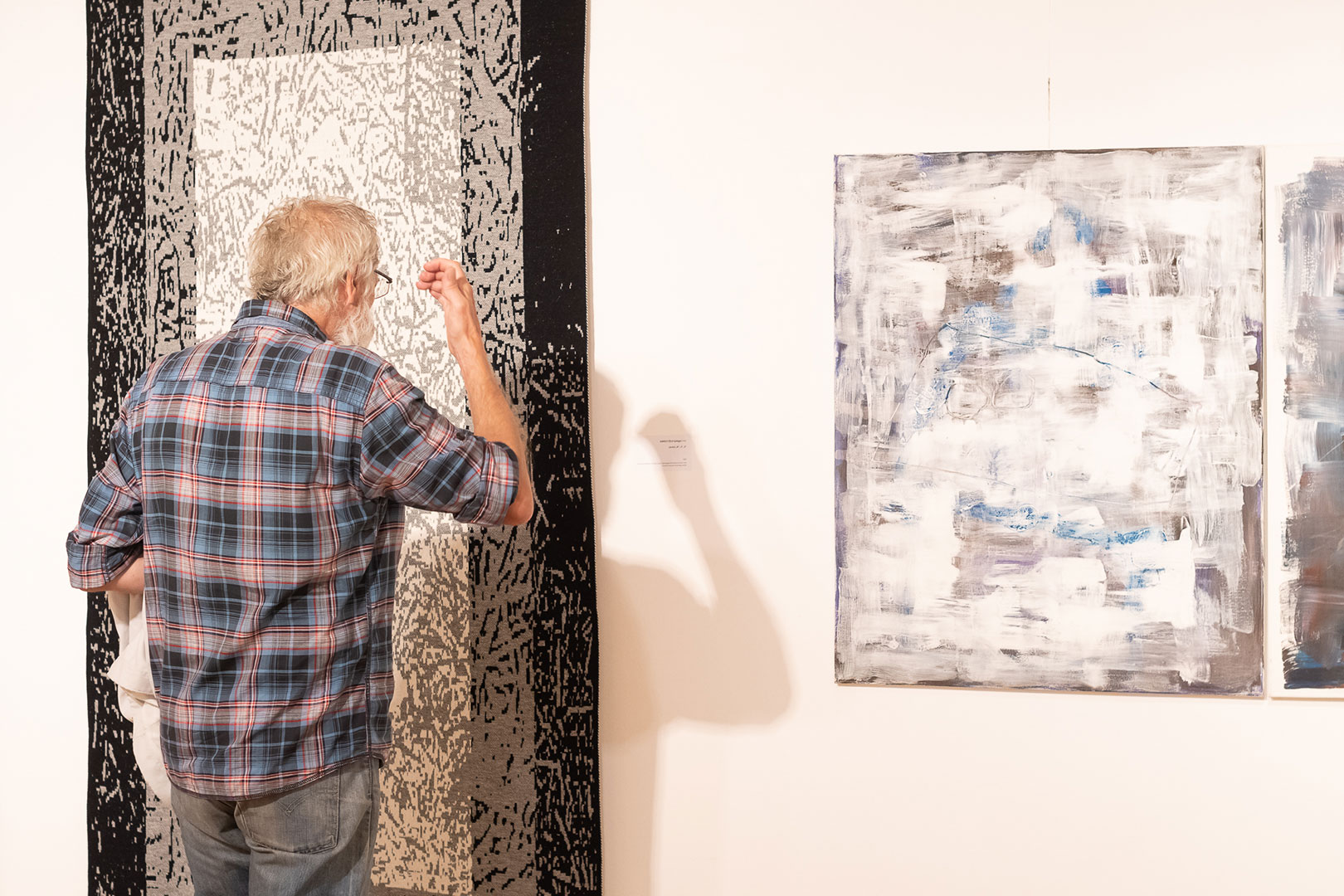
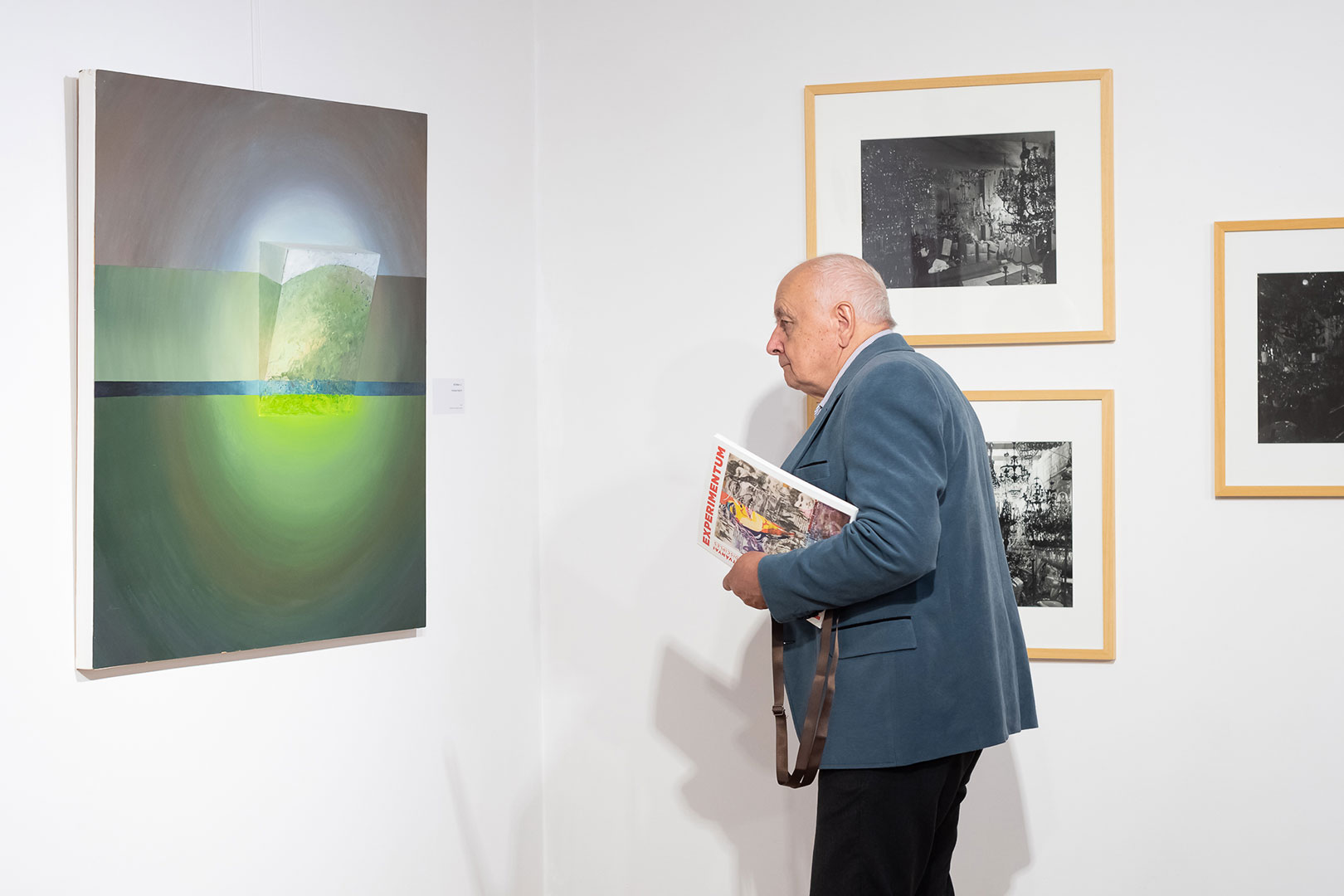
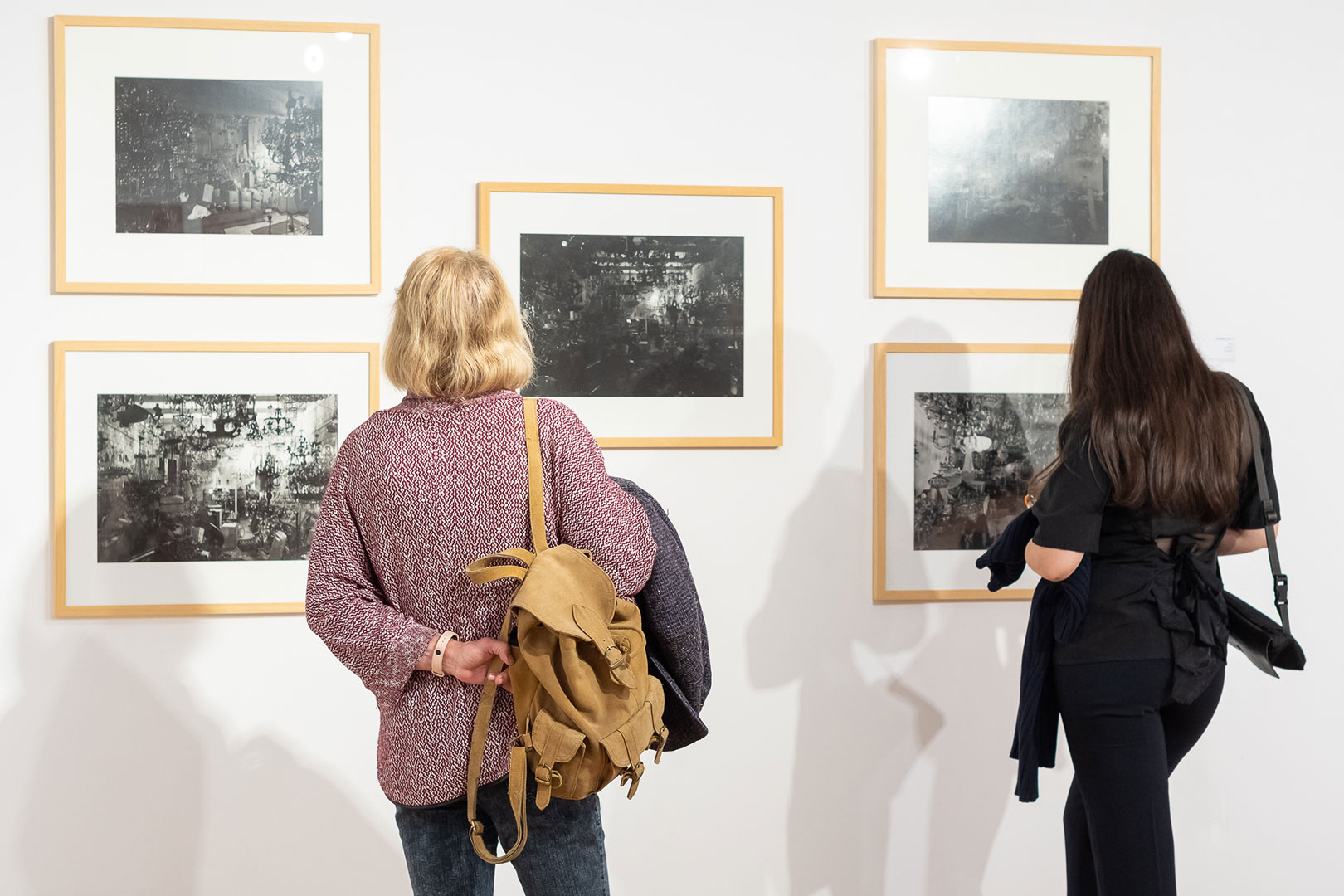
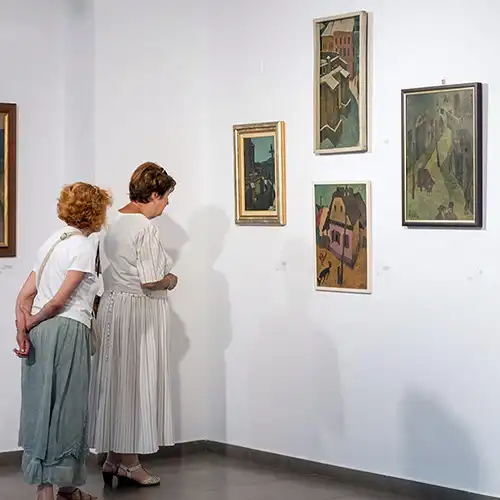
This unique exhibition evokes the personality of Pál Nagy alongside the works of his disciples. The first exhibition space summarizes the life's work of the artist and teacher, highlighting his representative works, while the other exhibition spaces of the Transylvanian Art Centre show paintings, graphics, textile artworks, and artworks that mix different genres and explore new ways to use photography, all made by his former students, reflecting their teacher's experimental approach. Thus, the exhibition offers an insight into the experimental art of Transylvania from the 1970s to the 1990s, in addition it is showcasing recent works by Pál Nagy's disciples. The curatorial selection features artworks by 29 artists, former disciples, and works of art created by their teacher.

The oeuvre of Pál Nagy (Satu Mare, 1929 – Sângeorgiu de Pădure, 1979) reveals a close connection between his independent artistic practice and his responsibility as an art teacher. Between 1952 and 1976, he was one of the most important Hungarian-language art teachers in Transylvania, as well as an exhibiting artist who, by the end of the 1960s developed a unique style of painting that combined figurative, realistic, abstract, surrealist, and kinetic elements, as well as pop art elements evoking the language of contemporary posters. Several generations of students still remember him with affection, respecting above all his professional competence, with which he introduced his students to the genres of visual arts with humanity and humour. Thus, the artist and teacher laid the foundations for the emergence of a generation of artists who, through their aesthetic and moral resistance, became defining figures of postmodern art in Romania.

As a traveling exhibition of Műcsarnok/Kunsthalle, Budapest, the selection presented at the Transylvanian Art Centre differs slightly from that in Budapest, as some artists sent different artworks for the exhibition and we were unable to present the works of Sándor Antik and Klára Tamás. Instead, the circle of exhibiting artists was expanded to include Magda Csutak, Dénes Kuti, Gyöngyi Károly Zöld, and Gábor Szörtsey.

Exhibiting artists:
Jakab ÁBRAHÁM (Lăzăreşti, 1952), József ADY (Livezeni, 1950 – Budapest, 1991), József BAAB (BOB) (Târgu Mureș, 1958), Pálma BAÁSZ SZIGETI (Târgu Mureș, 1954), Anikó BODOR (Târgu Mureș, 1953), Ioan BUNUȘ (Reghin, 1952), Magda CSUTAK (Sfântu Gheorghe, 1945), Károly ELEKES (Cristuru Secuiesc, 1951), Károly FERENCZI (Târgu Mureș, 1952 – Budapest, 2024), Aladár László GARDA (Sângeorgiu de Pădure, 1948), Margit HIDEG (Gheorgheni, 1958), András KATZ (Hoghiz, 1950), Gyöngyi KÁROLY ZÖLD (Târgu Mureș, 1949), Gyöngyi KEREKES (Târgu Mureș, 1958), Dénes KUTI (Târgu Mureș, 1952) Ágnes LŐRINCZ (Cristuru Secuiesc, 1959), Árpád MIKLÓS (Târnăveni, 1958), László József MOLNÁR (Oradea, 1951), Árpád Pika NAGY (Sângeru de Pădure, 1950), Pál NAGY (Satu Mare, 1929 – Sângeorgiu de Pădure, 1979), Sarolta PUSKAI (Borsec, 1955), Péter PUSZTAI (Aita Seacă, 1947 – Montréal, 2022), Lívia Zsuzsa RÁKOSFALVY (Cluj, 1955), Sándor SIPOS (Cristuru Secuiesc, 1957), Zoltán Judóka SZABÓ (Sângeorgiu de Pădure, 1952 – Târgu Mureș, 2015), Lóránt SZATHMÁRY (Reghin, 1958), Zoltán SZILÁGYI VARGA (Chiochiș, 1952), Gábor SZÖRTSEY (Odorheiu Secuiesc, 1951 – Budapest, 2004), László UJVÁROSSY (Ditrău, 1955), Gusztáv ÜTŐ (Sfântu Gheorghe, 1958)

Organizers: Sfântu Gheorghe City Hall, Transylvanian Art Centre Association, Műcsarnok/Kunsthalle, Budapest
Sponsor: Hungarian Academy of Arts, Hungarian Government – State Secretary for National Policy, Bethlen Gábor Fund

Photo Attila TORÓ

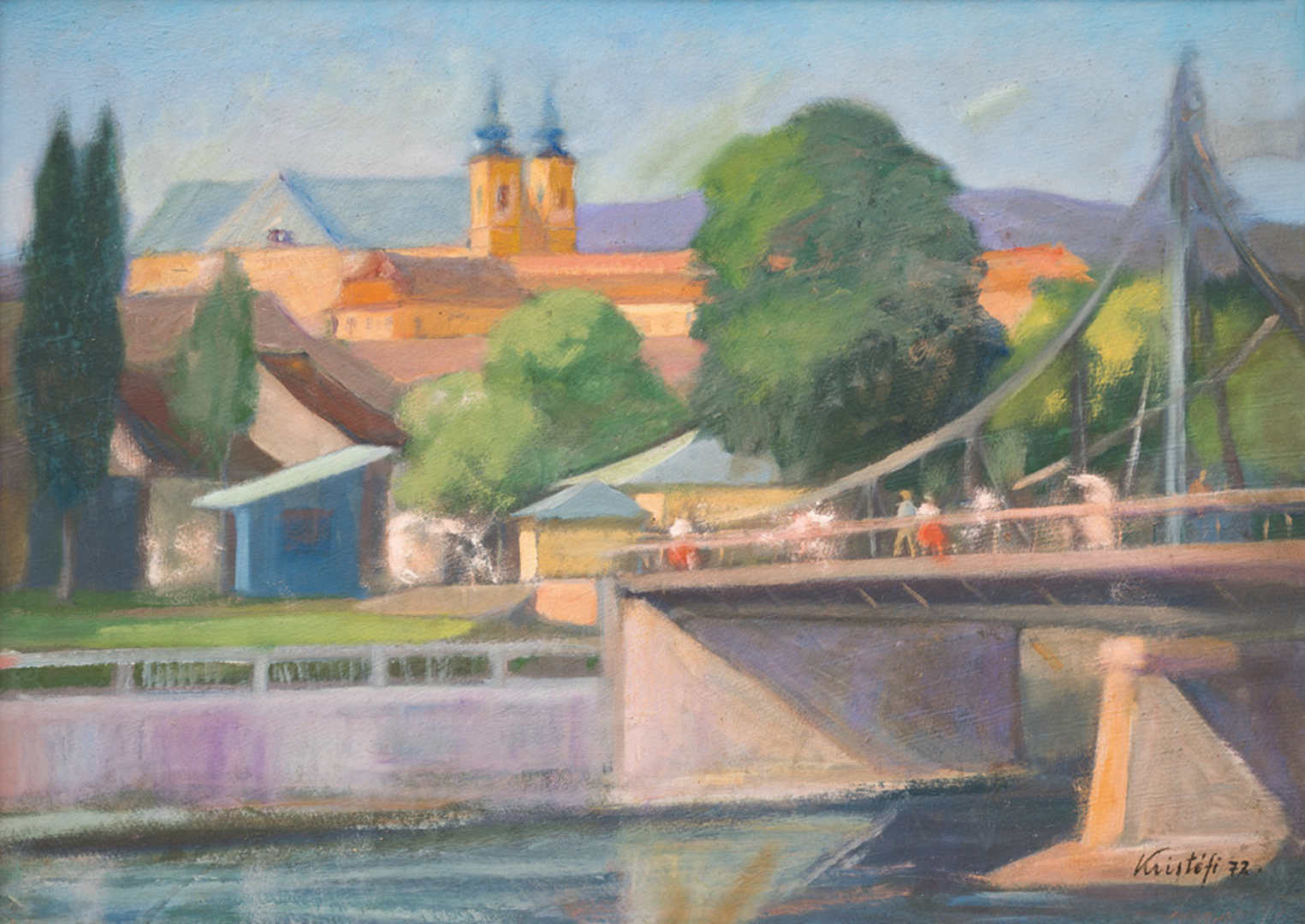
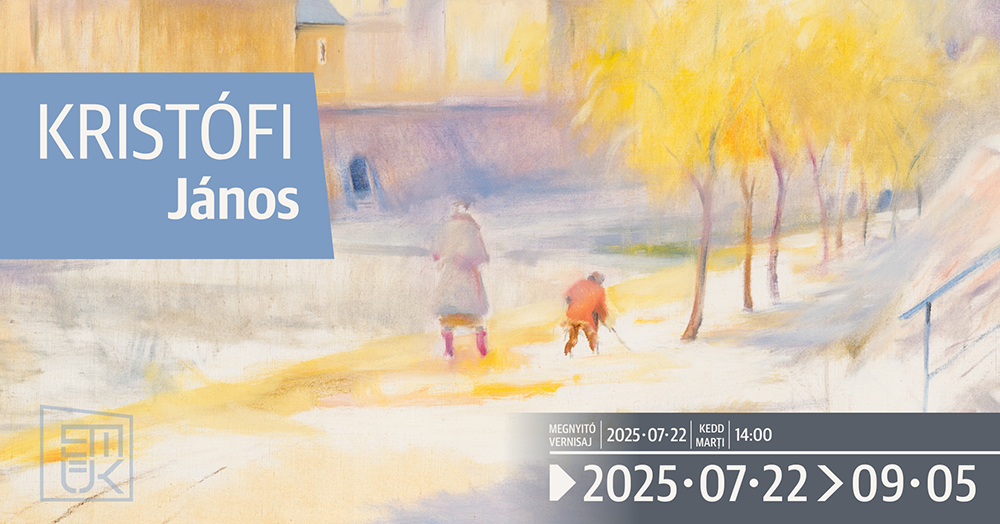
János KRISTÓFI painting exhibition

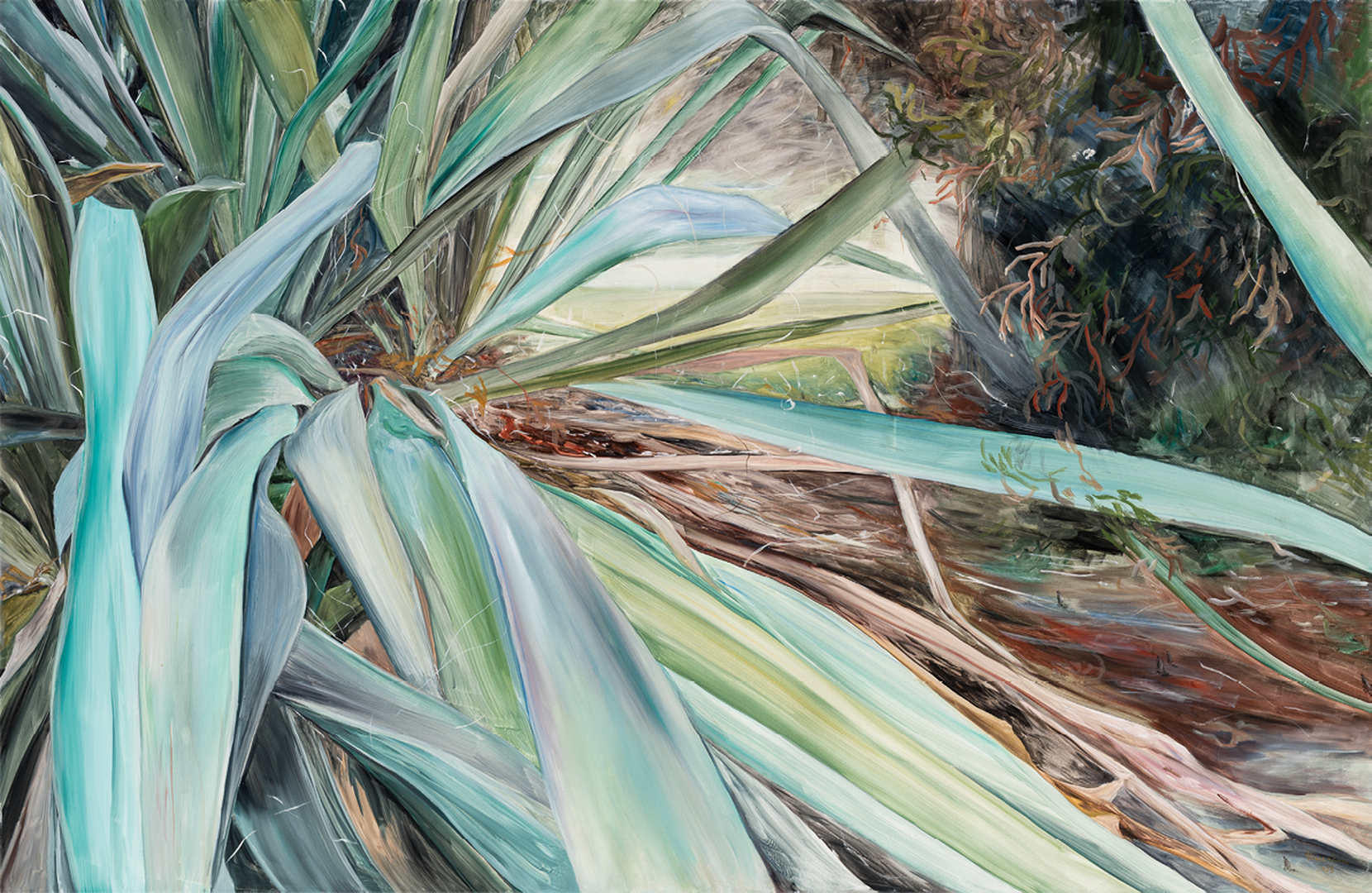
János KRISTÓFI painting exhibition - Transylvanian Art CentreVisiting period: 22nd of July – 5th of September 2025

Opening: The exhibition was opened on the 22nd of July 2025 at 2 pm by Zsolt Németh, president of the Hungarian Foreign Affairs Council, Sándor Tamás, president of the Covasna County Council and Beáta Bordás PhD coordinator of the Transylvanian Art Centre. Collaborated: Ágnes Emese Kristófi (soprano) and Botond Szőcs (piano).

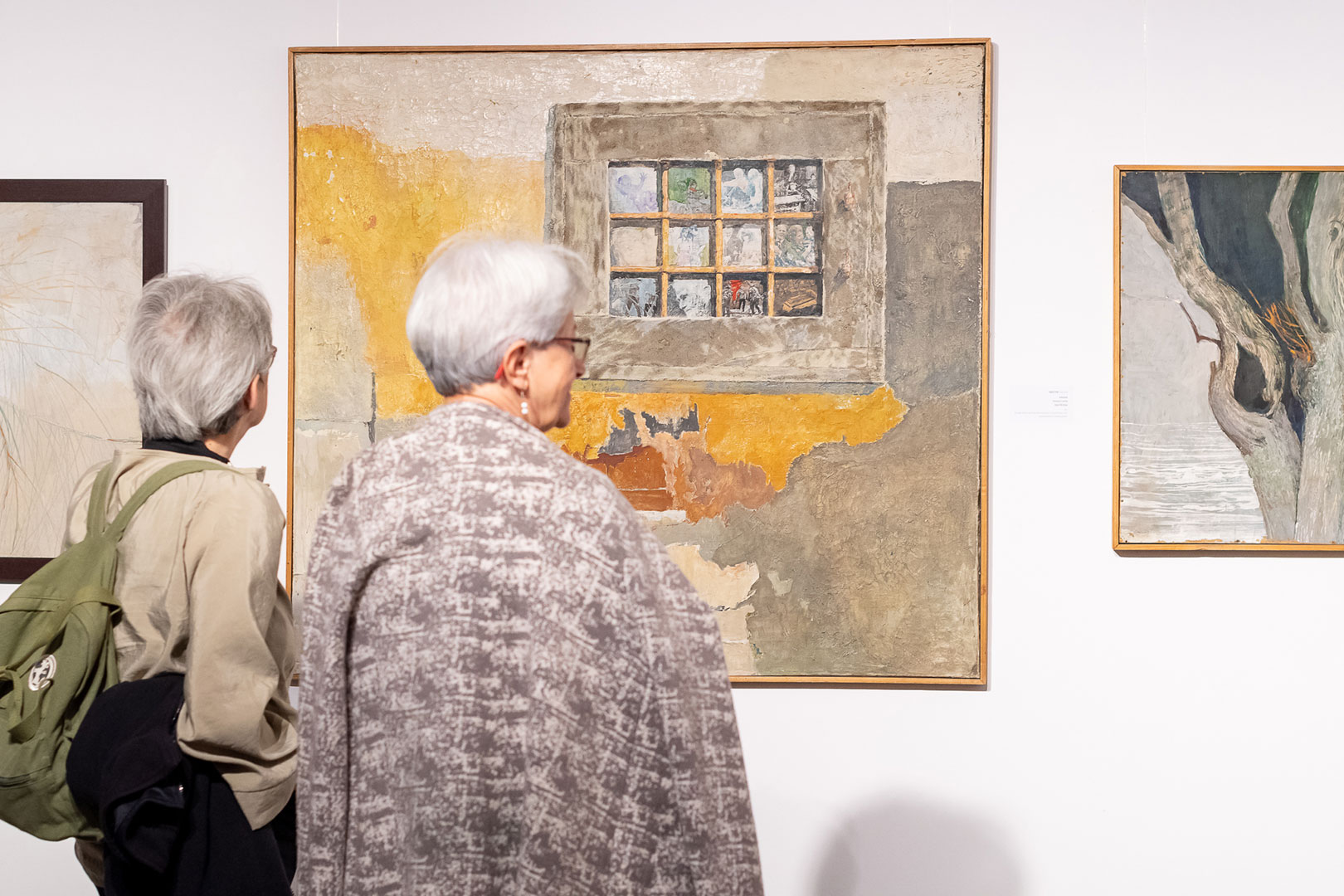
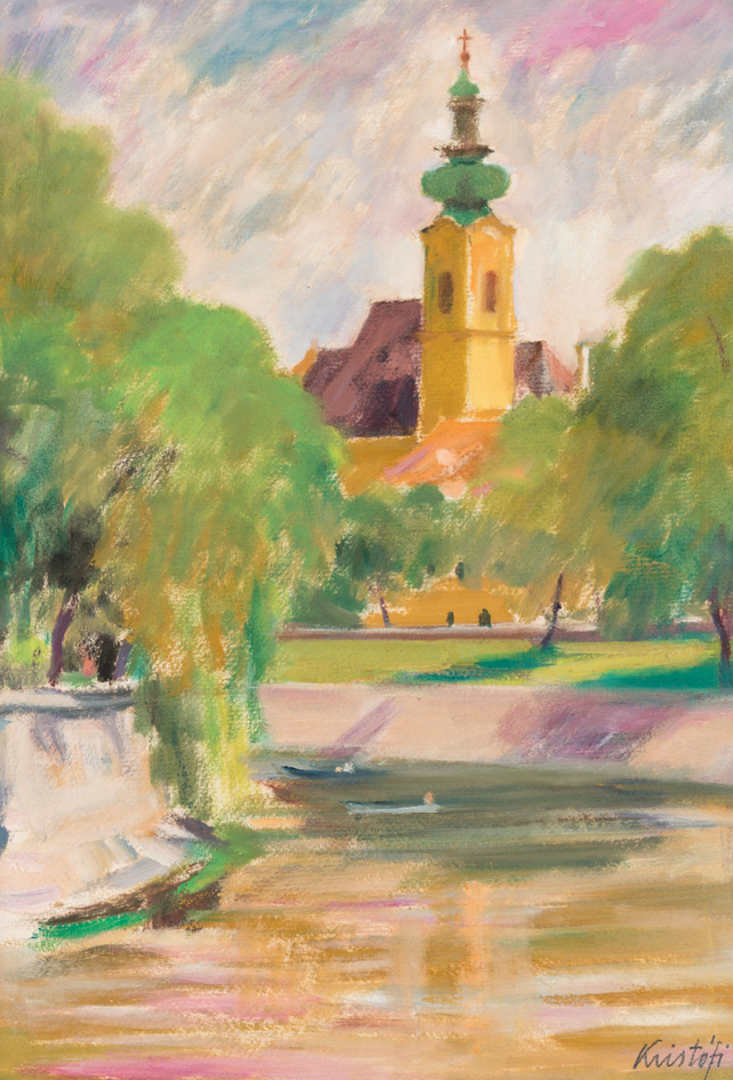
This exhibition presents around fifty paintings illustrating the periods and trends in János Kristófi’s work over several decades. The selection has focused on the artist’s main subjects, the cityscapes of Oradea and the views of his travels in Szeklerland and Hungary, but some of his early works (evoking the world of his native village) and some typical genre paintings were also included.

János KRISTÓFI (Petreu, 1925 – Oradea, 2014)
János Kristófi was born in a family of agricultors with five children, and his many-sided talent showed at a young age. He finished primary school in his home village, and in 1937 he began his secondary education at the Gojdu Lyceum in Oradea on a scholarship from the Roman Catholic Church, and took his final exam at Cluj in 1946. Between 1946-1949 he worked as a cantor and teacher in Carastelec. In 1949, he was admitted to the Hungarian Art Institute in Cluj (later the „Ion Andreescu” Institute of Fine Arts). As a pupil of Béla Abodi Nagy, Zoltán Kovács, Petre Abrudan and Sándor Mohy, he qualified as a drawing teacher at the Institute in 1954.
After graduation, he settled in Oradea. In 1956 he married the talented sculptor and ceramist, Judit Hoványi, between 1957 and 1973, ten children were born of their marriage. From 1955 until his retirement in 1986, János Kristófi was a teacher at the Oradea Popular Art School (now the Francisc Hubic School of Art), where he taught generations to love art and launched them on their artistic careers. The painter lived and worked in Oradea until his death on January 5, 2014.
From 1953 onwards he participated in numerous group exhibitions, and his first solo exhibition was held with his wife in Oradea in 1958. After that he organized a considerable number of solo exhibitions in Romania (mostly in Oradea) and abroad (repeatedly at the Hotel Gellért Tea Salon in Budapest). He participated in several art camps in Romania and Hungary, and his paintings reflect the landscapes he has visited in his life.

Kristófi’s style has multiple connections to the post-Nagybánya aspirations and Impressionism. He was a representative of naturalistic painting; in his paintings, light-saturated colours are combined with a naturalistic, yet individually transformed expression of the sights. According to art historian Zoltán Banner, Kristófi’s oeuvre – which is estimated at more than two thousand paintings – can be divided into two periods, and within them five themes, which at the same time were intertwined and intersected in his work. The first theme of his first period captures the rural landscape and people, above all his native village of Monospetri (Petreu); these works from the 1950s – 1960s were painted with earth tones and the drawing had a strong emphasis in them. A second theme, that of the urban landscape, centred of course on immortalizing Oradea, in a romantic light, but with the historic truthfulness of a documentarian spirit. He captured the places of his later travels also in this style crystalized at the end of the 1950s. The third theme in his painting was the World of the Studio and Art, and in the eighties and nineties he became interested in the artistic expression of anxiety and expectation, and then into a rapture of the soul probing into the future, these becoming the fourth theme of the painter’s life-work. The fifth, the sacral theme, permeated his entire oeuvre, since his first composition of St. Elizabeth in 1957.

Solo exhibitions (selection):
1958: Oradea (with Judit Hoványi) • 1963: Salonta, „Arany János” Memorial Museum • 1969: Valea lui Mihai; Oradea • 1970: Petreu; Marghita • 1975: Oradea, Small Gallery (with Judit Hoványi); Cluj-Napoca, Korunk Gallery • 1976: Miercurea Ciuc, Small Gallery; Oradea, Small Gallery • 1977: Debrecen (with Coriolan Hora); Oradea (with Judit Hoványi) • 1978: Dobrești • 1979: Oradea, „Fáklya” Gallery • 1980: Oradea, Criș Country Museum; Iași, Cupola Gallery • 1981: Satu Mare, Art Gallery; Carei, City Museum; Stockholm (with Judit Hoványi and Enikő Kristófi) • 1983: Tribute to Women – family exhibition, Oradea, New Gallery • 1984: Iași • 1985: Oradea, New Gallery • 1986: Marghita • 1987: Oradea, New Gallery (family exhibition); Satu Mare, Art Gallery • 1989: Miskolc, Mini Gallery; Oradea, Art Gallery; Brașov, editorial office of the „Brassói Lapok” newspaper (with Enikő Kristófi) • 1990: Győr, „Bartók Béla” House of Culture (family exhibition); Vienna; Leiben (AU); Budapest, Stefánia Gallery • 1991: Budapest, Adalbertinum; Kerepestarcsa (HU) • 1992: St. Pölten (with Judit Hoványi); Sopron (family exhibition); Oradea • 1993: Győr, Sopron and Oradea (with Enikő Kristófi) • 1994: Gödöllő (family exhibition) • 1995: Oradea, Gallery of the Roman Catholic Basilica; Oradea, Main Gallery • 1996: Oradea, Mini Gallery of the Fine Arts Fund • 1997: Oradea, Criș Country Museum (retrospective); Szeged, G Gallery; Kiskunfélegyháza (HU), the Garrison Club; Szolnok • 1998: Erlangen (DE); Oradea, Art Gallery; Cluj-Napoca, „Gy. Szabó Béla” Gallery • 1999: Șimleul Silvaniei, Hungarian Cultural Society of Transylvania; Budapest, Exhibition Hall „Nagy Balogh János”; Oradea, Art Gallery • 2000: Biharkeresztes (HU), „Bocskai István” High School; Leányfalu (HU), House of Culture; Budapest, Bank Center Gallery; Oradea, Small Gallery • 2001: Békés (HU), Museum; Oradea, Small Gallery; Budakeszi (HU), House of Culture • 2002: Odorheiu Secuiesc, Tourinfo; Miercurea Ciuc; Brașov; Târgu Mureș; Cluj-Napoca, Korunk Gallery; Salonta, „Arany János” Memorial Museum • 2003: Sopron, Transylvanian House • 2004: Budapest, Kamara Gallery; Szolnok, Garrison Club • 2005: Cluj-Napoca, Art Museum; Oradea, „Tibor Ernő” Gallery; Șimleul Silvaniei, Hungarian Cultural Society of Transylvania; Oradea, Criș Country Museum (retrospective) • 2006: Petreu; Marghita, Roman-Catholic church; Oradea, Seat of the Királyhágómellék Reformed Church District; Debrecen, Contemporary Art Gallery of the „Medgyessy Ferenc” Memorial Museum • 2007: Valea lui Mihai, Museum; Oradea, „Ady Endre” High School and Visual Arts Gallery • 2008: Oradea, Seat of the Királyhágómellék Reformed Church District, House of Culture, Visual Arts Gallery • 2009: Berettyóújfalu (HU), „Bihar Vármegye” Gallery; Oradea, the lobby of the „Arcadia” Puppet Theatre; Debrecen, „Belvárosi” Gallery • 2010, 2011: Oradea, Visual Arts Gallery • 2012: Oradea, Partium Christian University • 2013: Valea lui Mihai, Community Centre

Commemorative exhibitions:
2014: Oradea, Roman-Catholic Episcopal Palace and Criș Country Museum • 2015: Oradea, City Hall • 2016: Budapest, Duna Palace • 2019: Oradea, Fortress Gallery • 2024: Oradea, Roman-Catholic Episcopal Palace

Prizes and awards:
2005: Honorary citizen of Oradea • 2006: Honorary citizen of Petreu • 2011: Knight’s Cross of the Hungarian Order of Merit

Organizers: Sfântu Gheorghe City Hall, Transylvanian Art Centre Association

Sponsor: Hungarian Government – State Secretary for National Policy, Bethlen Gábor Fund, Grand Hotel Bálványos

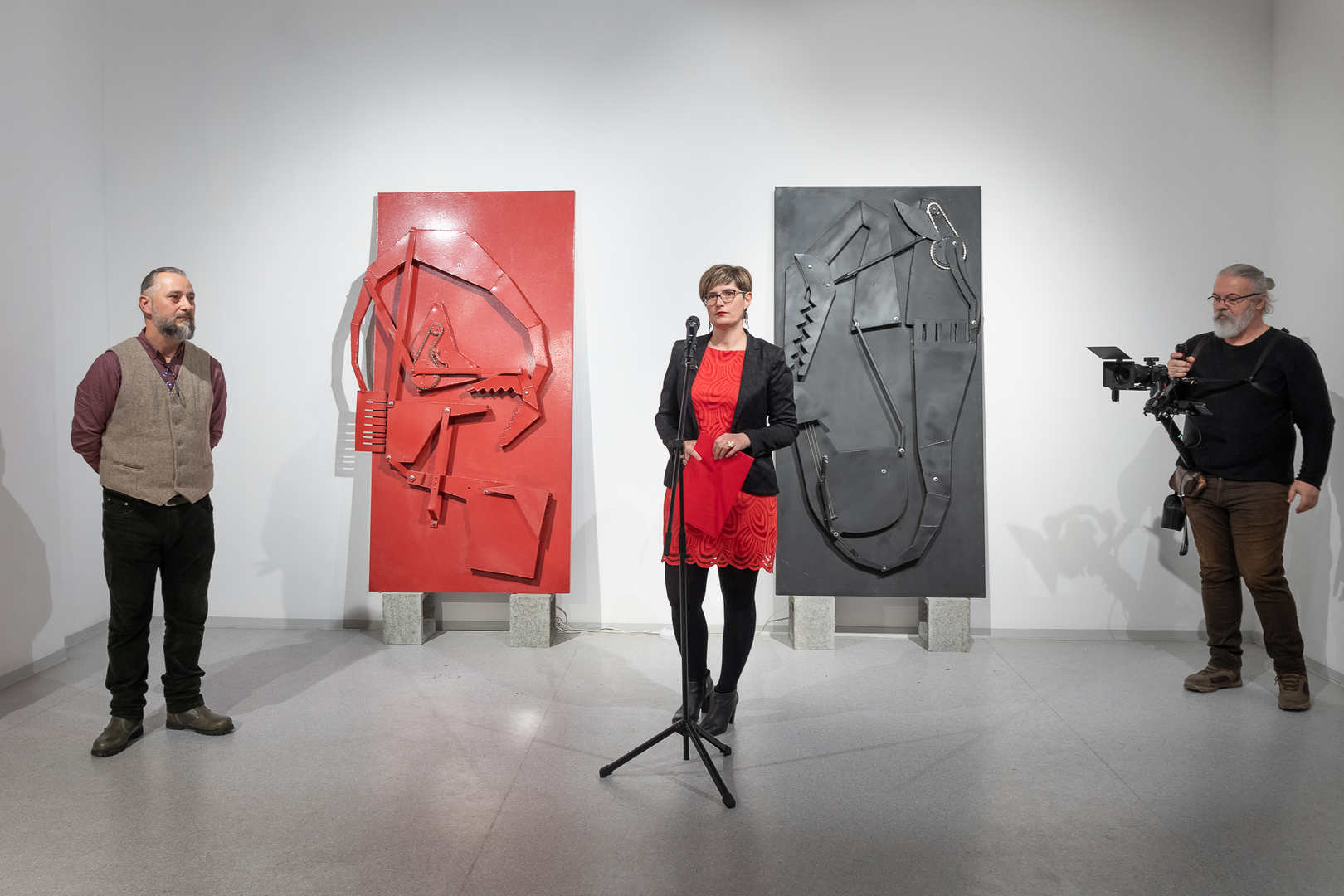
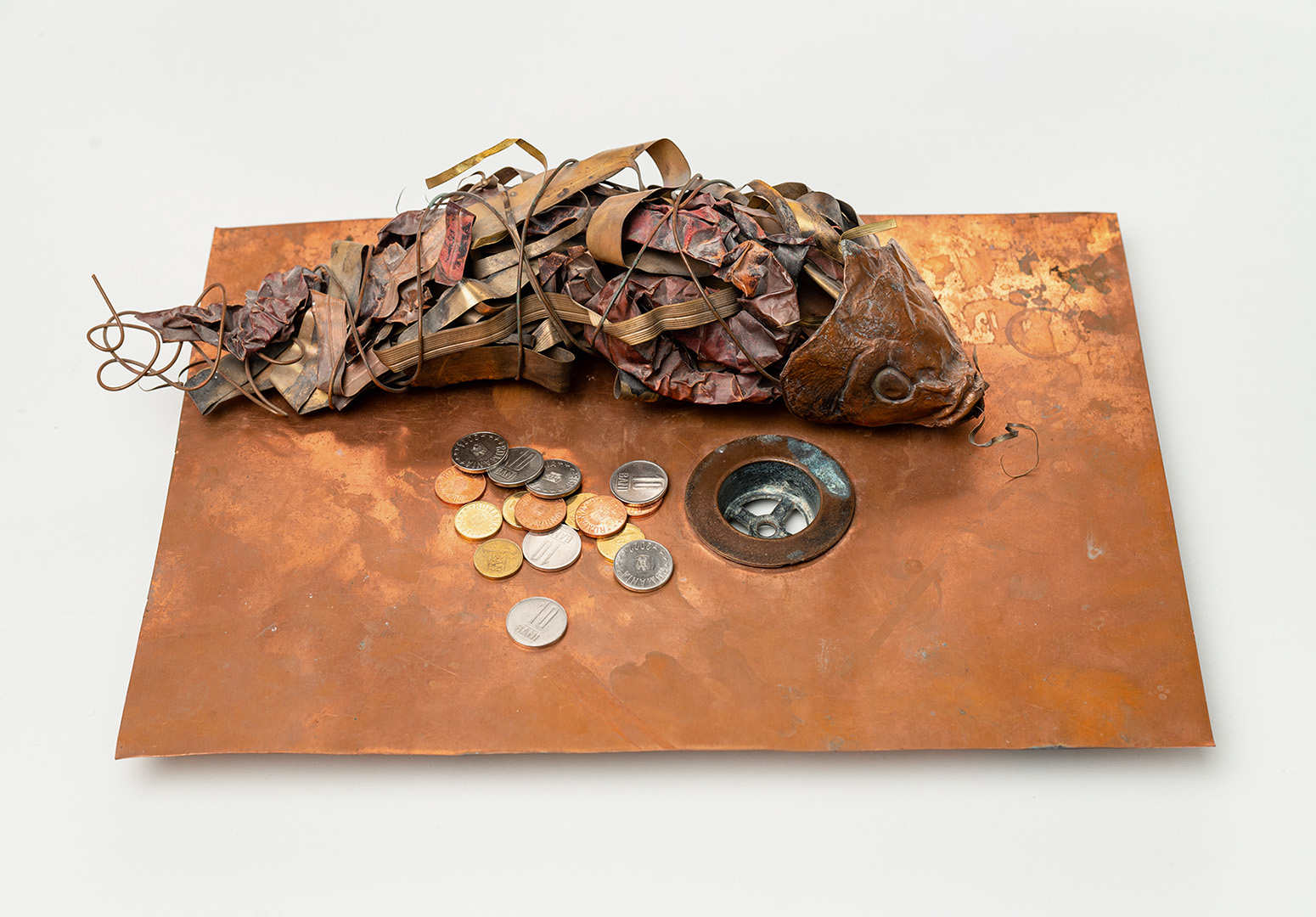
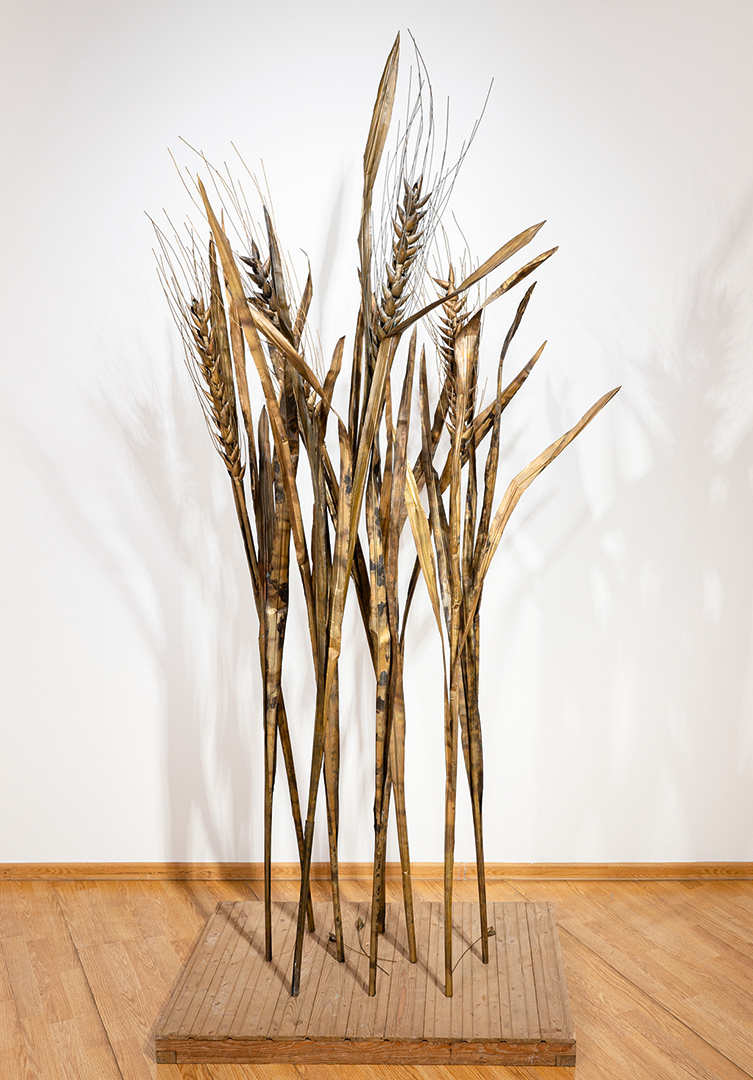
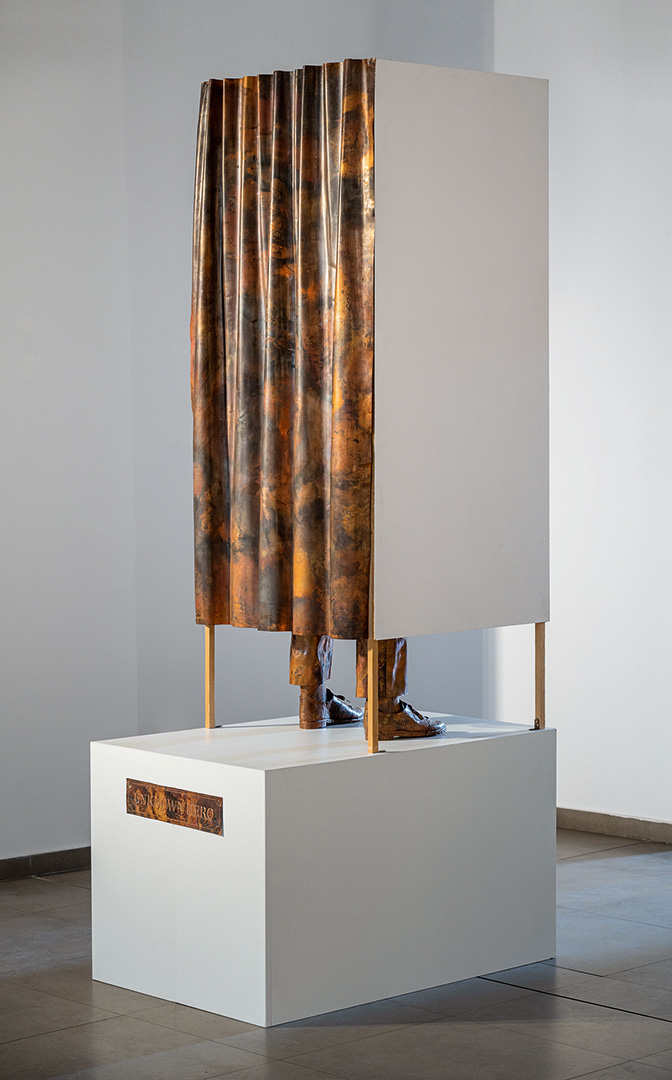
Copperhensible – István MAKKAI sculpture exhibition

Visiting period: 11th of July – 5th of September 2025
Curator of the exhibition: Katalin Nagy T.

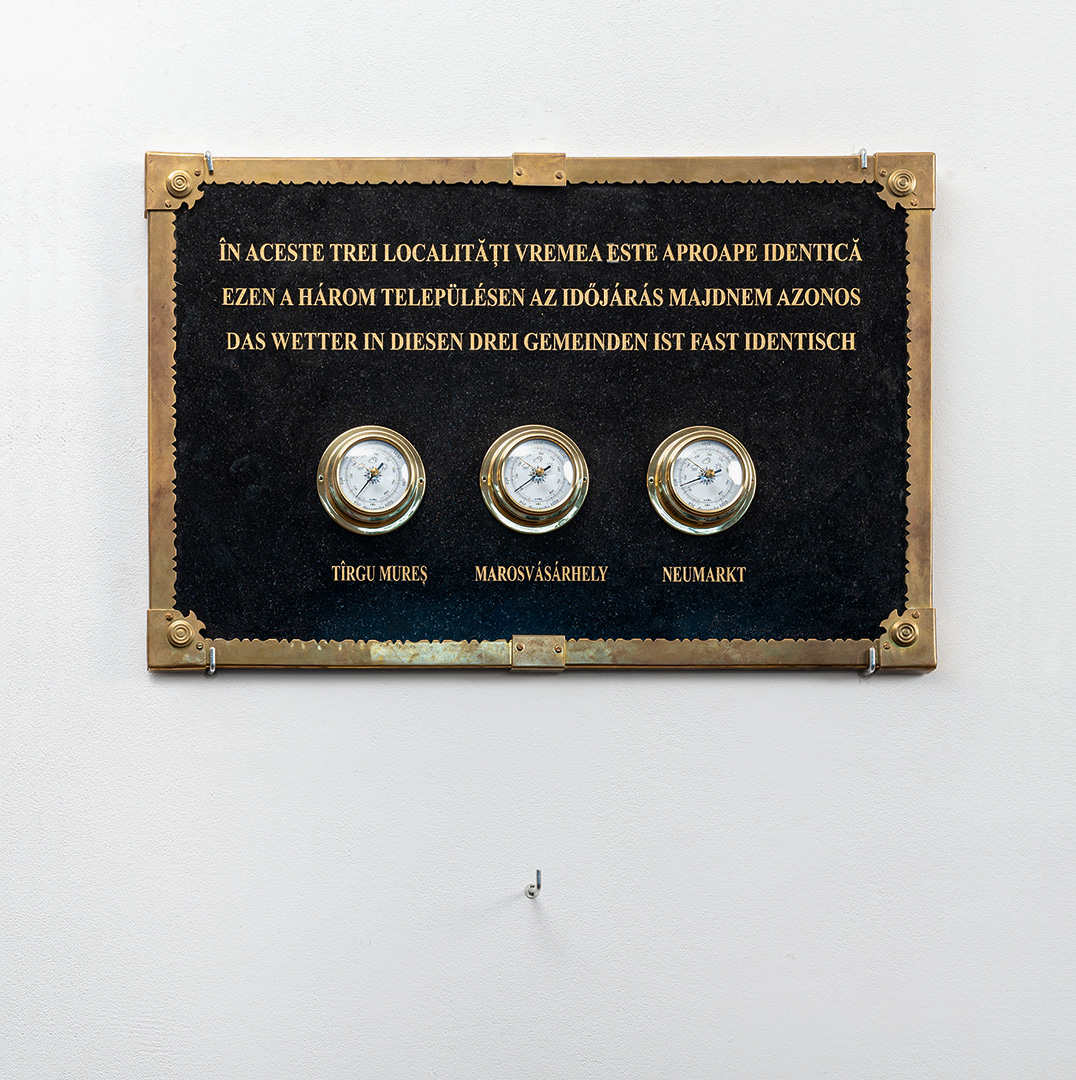
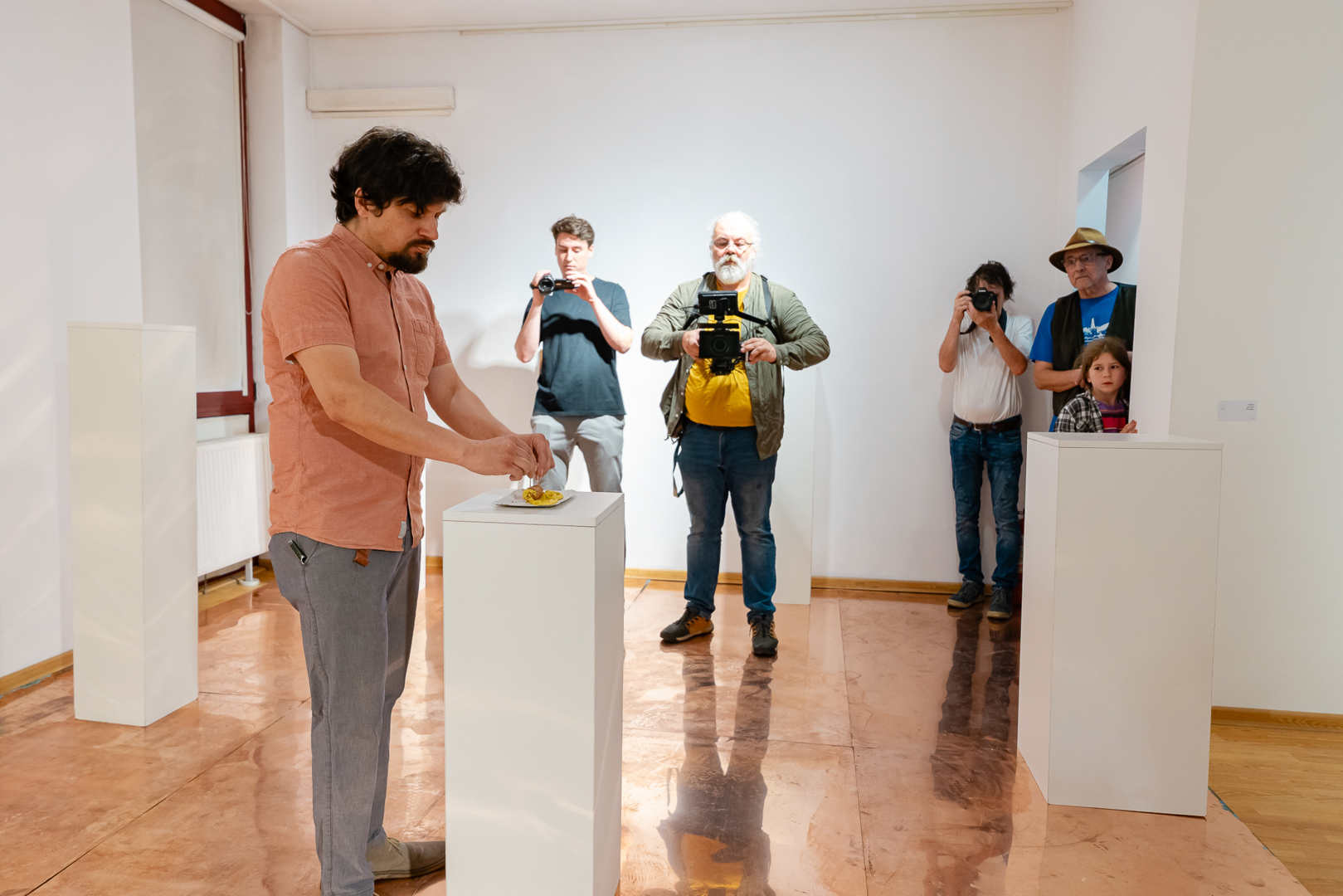
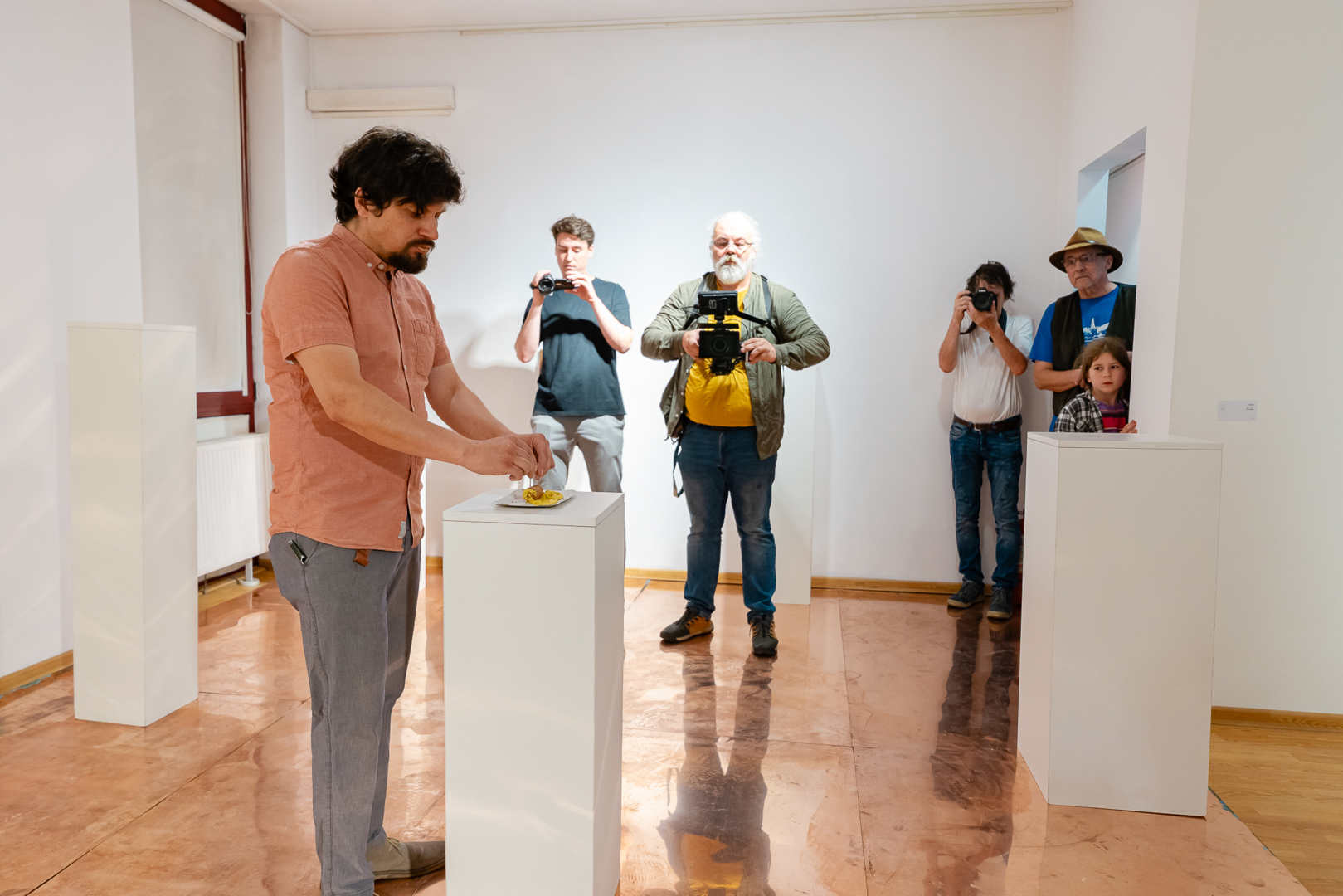
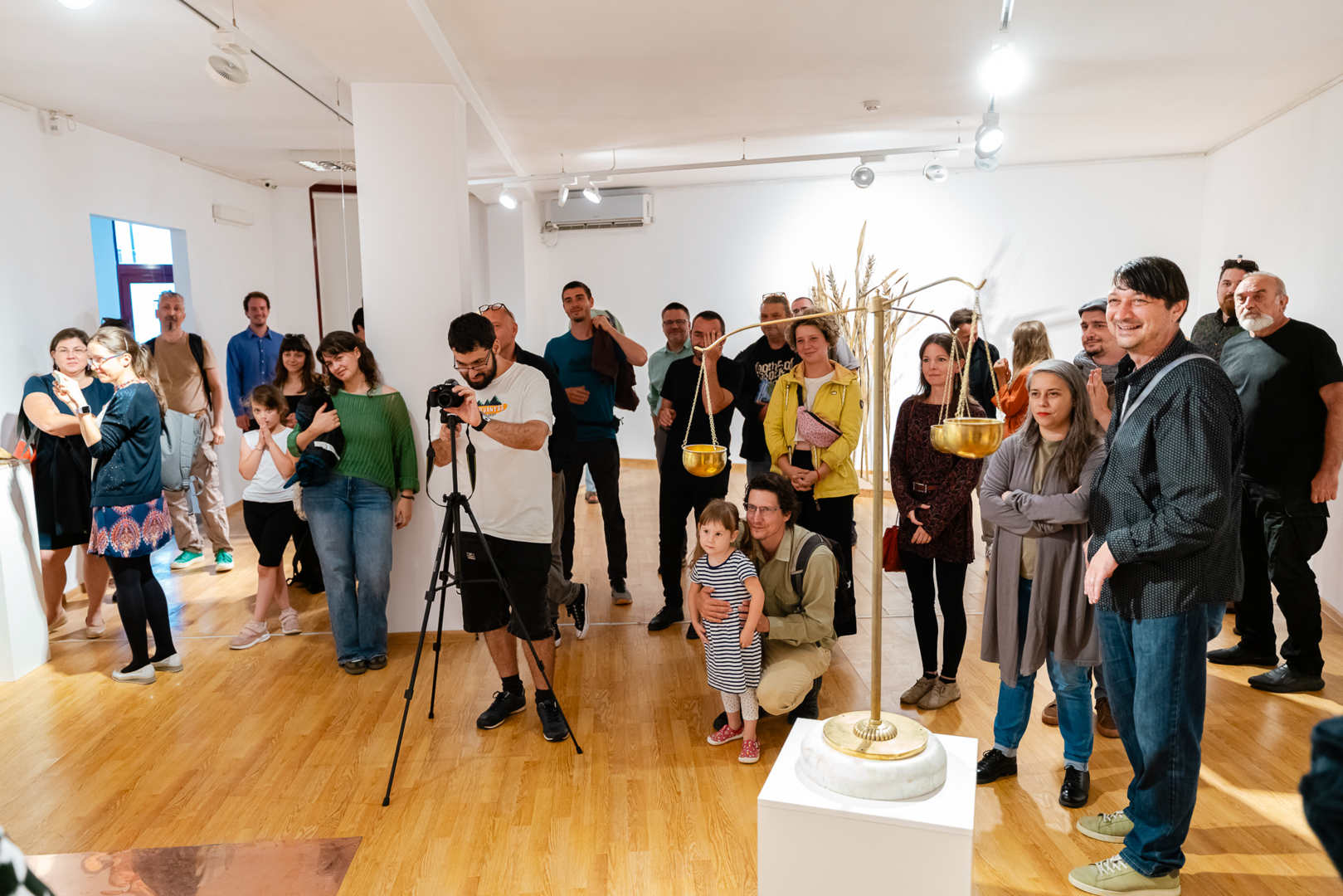
Opening: The exhibition was opened on the 11th of July 2025 at 6 pm by Katalin Nagy T., art historian and curator of the exhibition and Beáta Bordás PhD., Transylvanian Art Centre’s coordinator in the presence of the artist, who closed the opening event with a performance.
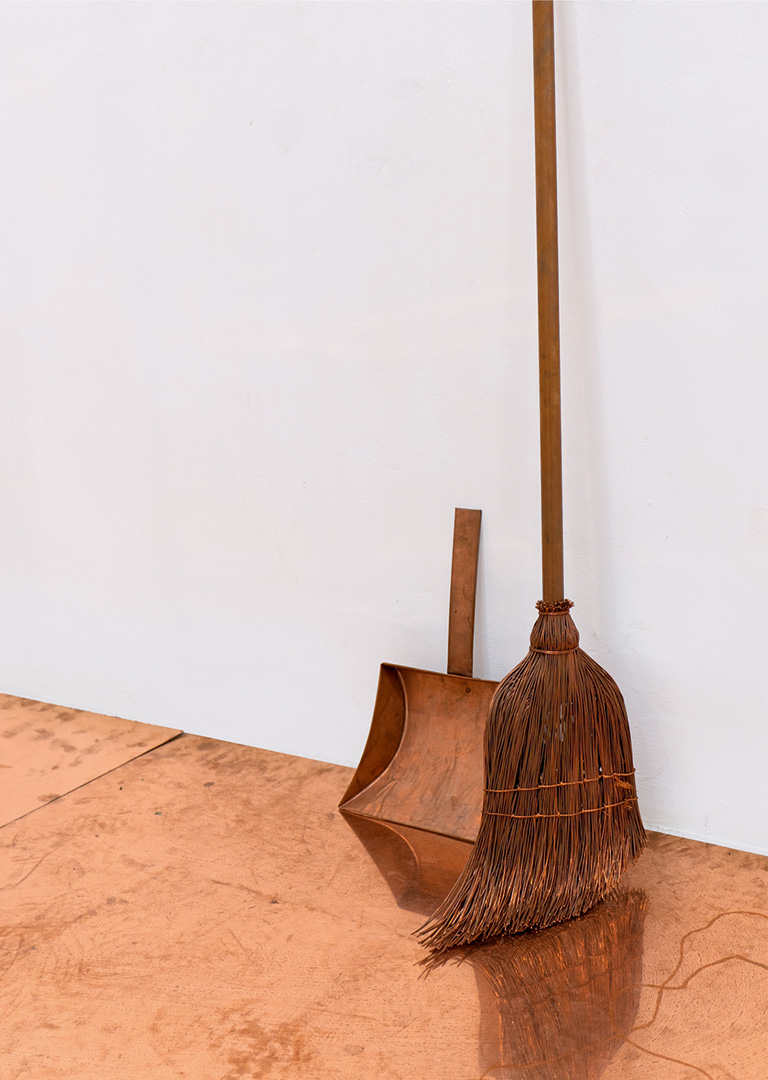
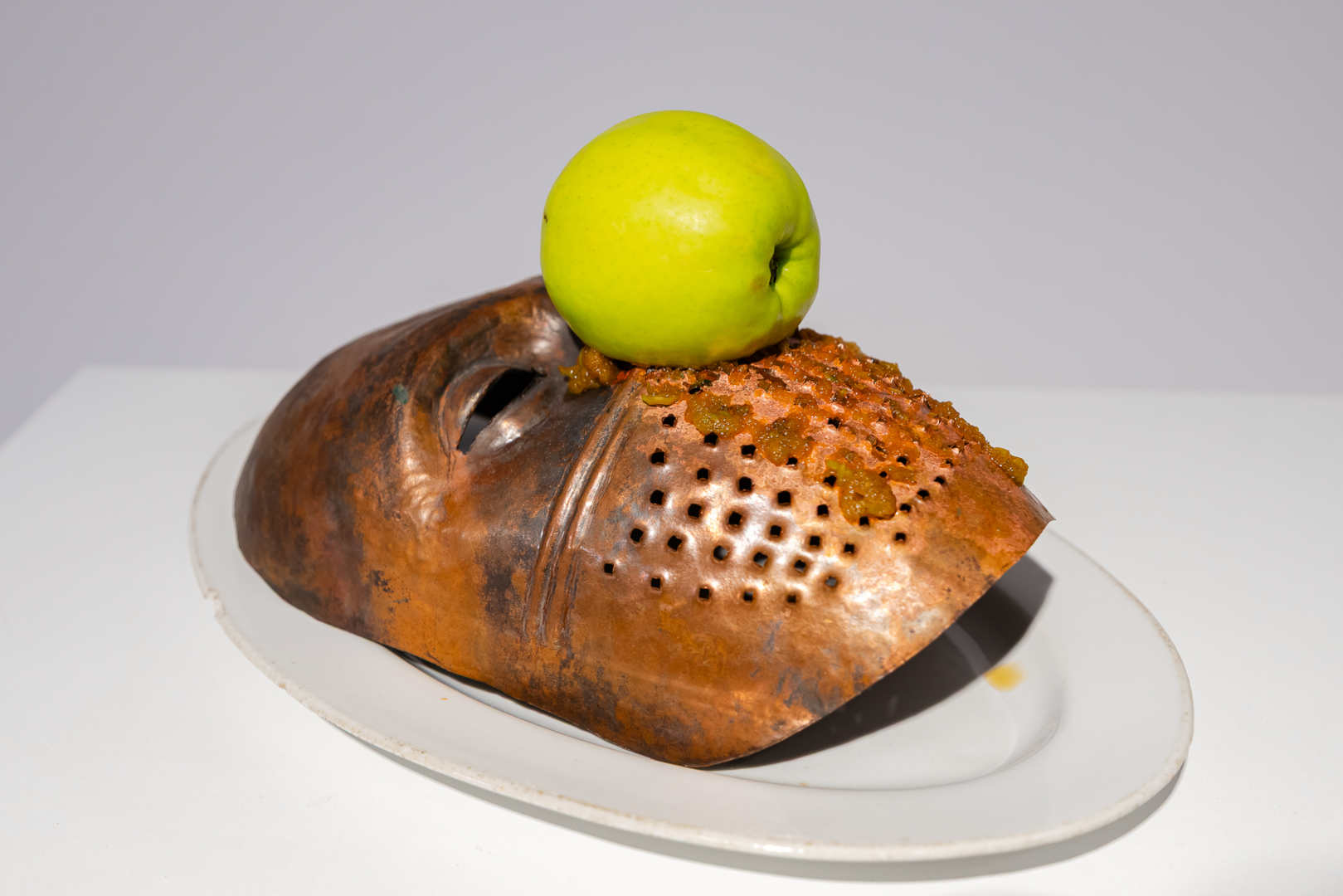
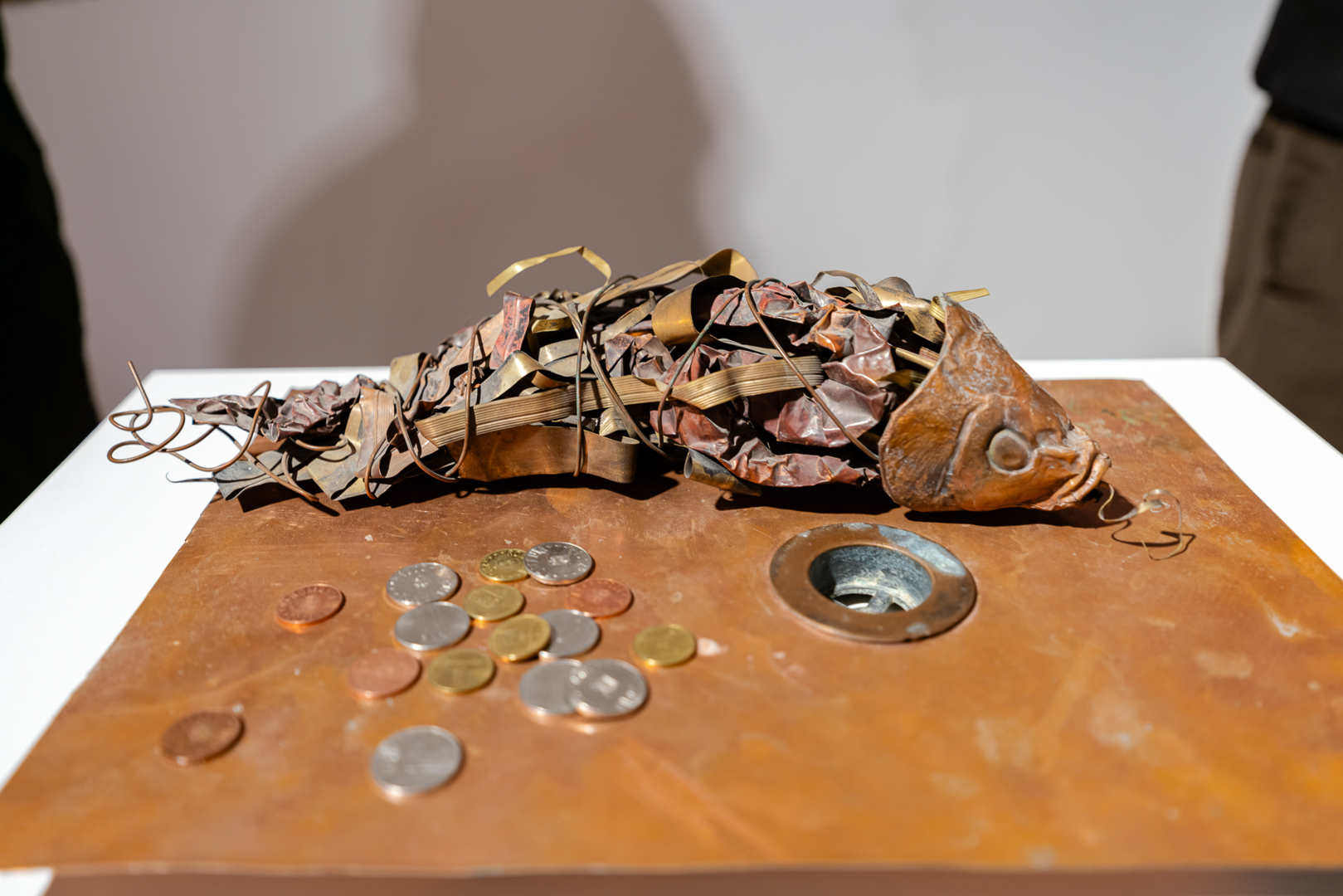
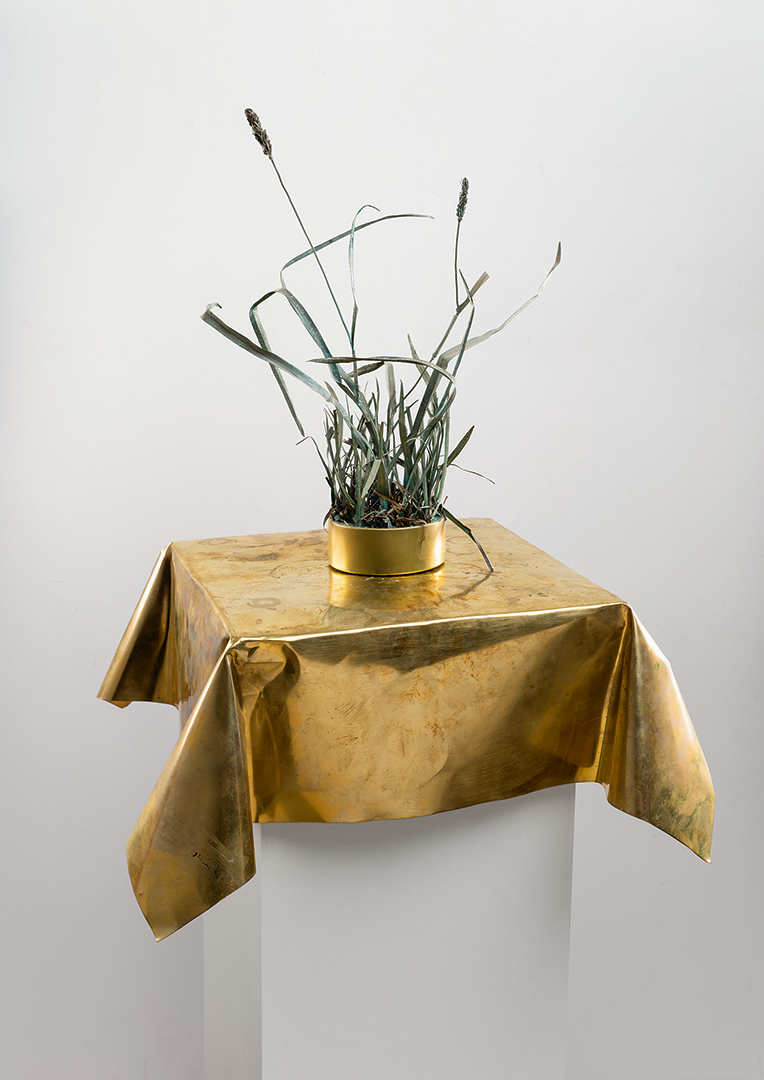
This exhibition is the artist’s first comprehensive, representative show, presenting works from almost two decades since 2006, ranging from large-scale installations to smaller-scale copper sculptures. The title of the exhibition, Copperhensible, refers both to the material the sculptor prefers to work with, through mechanical processes such as bending, embossing and cutting, and to the aesthetic qualities that are most evident in Makkai’s sculpture, namely humour, irony and its conceptual nature.

István MAKKAI (Târgu Mureș, 1983)
István Makkai finished high school in 2002 at the Secondary School of Music and Fine Arts in Târgu Mureș, after that, he studied Sculpture at the University of Art and Design from Cluj-Napoca, completing his master’s degree in 2008. He is a member of the Romanian Artists’ Union (since 2009), the Barabás Miklós Guild (since 2008) and the MAMŰ Society (since 2023). He is a regular participant in group exhibitions and art colonies at home and abroad. He has received numerous awards in recent years. Some of his works are found in the collections of the MARe Museum of Recent Art in Bucharest, the Sapientia Foundation (Transylvanian Art Centre, Sfântu Gheorghe), the Haáz Rezső Museum in Odorheiu Secuiesc, and the Lăzarea Cultural and Art Center.

Makkai works with different materials, but in his sculpture he prefers to use brass and copper. Another characteristic feature of his sculpture is his humorous, ironic or even playful approach to things, furthermore his works frequently involve the viewer in a conceptual situation, encouraging the visitor to become an active part of the often surreal situation created by the artist (Hat Dimension; Hommage à René Magritte; Half-fish). It is a direct consequence of his fascination with creating situations that he also prefers to use the genres of installation (Pure Copper), kinetic art (Field Dimension) or video (Restless Mass) to add new layers of meaning to the unique plastic solutions in a performative field. His sculptural stories reflect a sophisticated thinking that results in unusual solutions. His works respond sensitively to events in everyday life, to historical and social issues and to concerns about the preservation of nature.

Solo exhibitions:
2017: The Field-dimension. K’Arte Gallery, Târgu Mureș • 2019: Dimensions. Szféra Festival, Târgu Mureș (with Gábor Hunor Veress) • 2020: MO(NU)MENT. K’Arte Gallery, Târgu Mureș; Christmas Zoom (Winter Games). K’Arte Gallery, Târgu Mureș • 2022 / 2023: The Occupation of Reality. Bernády House, Târgu Mureș and County Hall Gallery in Miercurea Ciuc (with Gábor Hunor Veress) • 2025: Életköz. A mű útjai [Middle of Life. The Paths of the Work]. Parthenon-Frieze Hall, Hungarian University of Fine Arts, Budapest

Organizers: Sfântu Gheorghe City Hall, Transylvanian Art Centre Association

Sponsor: Hungarian Government – State Secretary for National Policy, Bethlen Gábor Fund

MAMŰ Matrix group exhibition

Visiting period: 14th of May – 5th of July 2025
Curators: István Zakariás and Apor Ferencz S.

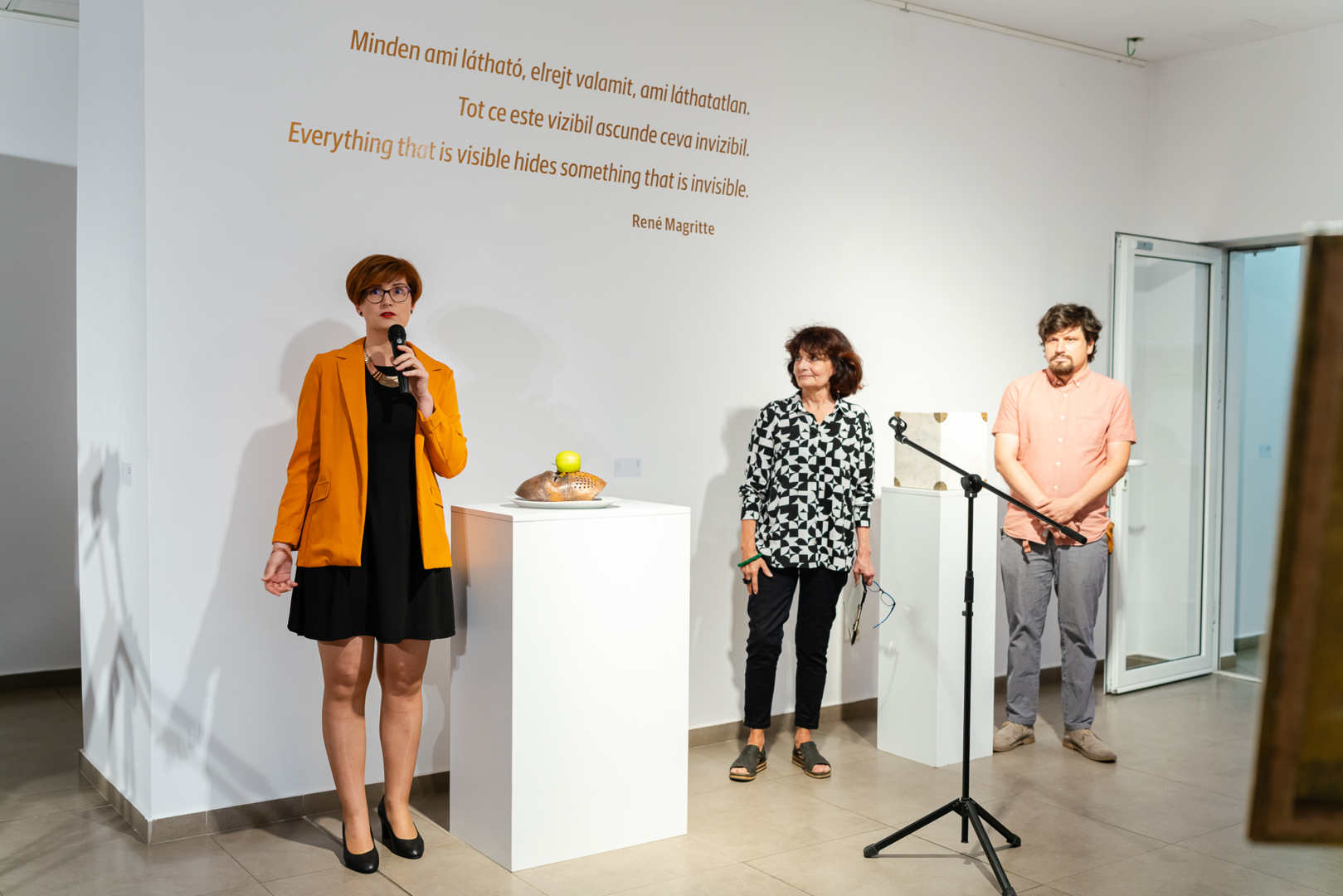
Opening: The exhibition was officially opened by Beáta Bordás PhD, coordinator of the Transylvanian Art Center, Eszter Túros, art historian and István Zakariás, president of the MAMŰ Society on the 14th of May 2025 at 6 p.m.
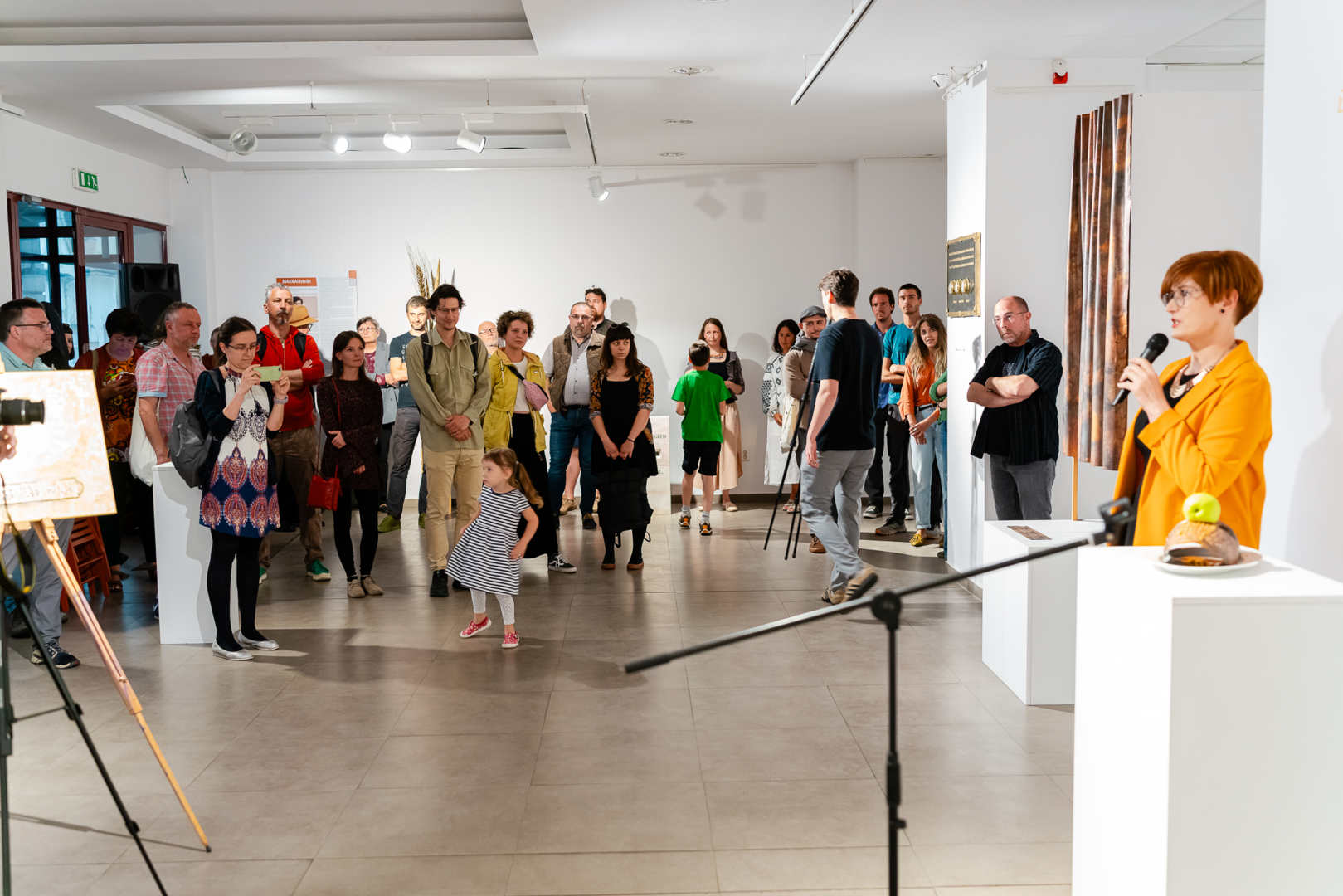
This group exhibition offers a subjective overview of the MAMŰ Society’s approach, current trends, and the creative challenges that the artists are facing. The aim of the current exhibition is not to provide a comprehensive overview of the work of MAMŰ’s entire membership, rather to offer insight into the presence of key visual art genres, the diversity of mediums, and the breadth of professional approaches.

The activity of the MAMŰ Society, with a history of almost half a century, is a significant and defining chapter in the history of Hungarian fine art. It marks an intellectual community whose creators are united and driven primarily by personal ties, friendships, a need for modernity, an internalization of playing an active role in contemporary artistic endeavors, at the same time by a common ideology and way of thinking that is difficult to define, yet is viscerally obvious. The antecedent of the MAMŰ Society was an artistic community called in Hungarian Marosvásárhelyi Műhely (MAMŰ) meaning ’Workshop of Târgu Mureș’, which activated in Târgu Mureș at the end of the 1970s. The members of this community were marked by a strong attachment to European artistic traditions and a multitude of ways of self-definition through artistic traditions, at the same time, various manifestations of distancing from and opposing to classical modes of expression can be traced, as well as experimental gestures of searching for artistic language that constantly questions the essence of art.

The art society established in Budaörs (Hungary) in 1991 under the name ’MA(születő) MŰ(vek)’ – MAMŰ – (i.e. works being born in the present) is, beyond the identity of the name, connected to the aforementioned grouping in that among the founding members we find quite a few artists who have since moved to Hungary and who were active members of the ’Workshop of Târgu Mureș’ in the late seventies. The MAMŰ Society also has a significant Western European membership, mostly consisting of visual artists who emigrated from Romania to the freer world during the communist era. A part of the membership is made up of a group of artists born in Hungary. Since 1994, the organization has continuously operated an exhibition space in Budapest, the MAMŰ Gallery, which is also its headquarters.

From the MAMŰ Society, which currently has more than 200 members, the curators of the exhibition selected the works of 43 artists, mainly of Transylvanian origin or affiliation, with the aim of presenting a matrix and its different dimensions that can provide a current professional cross-section of MAMŰ members. The exhibition proportionally includes representatives of different generations, from the founders to younger members. The resulting network, presenting itself as a community of artists of equal status, marks a number of points of contact and intersection.

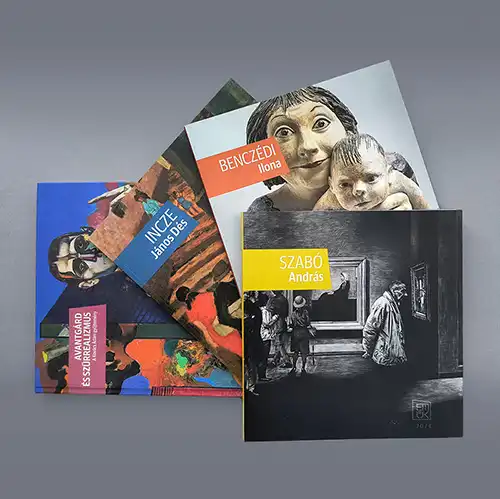
The exhibition material is accompanied by a trilingual catalogue with forewords by István Zakariás and Eszter Túros.

Exhibiting artists: Malvina ANTAL, Csilla BABINSZKY, Imre BERZE, Vince BOCSKAY, Anikó BODOR, Imre BUKTA, Árpád DARADICS, Sándor DÓRÓ, Károly ELEKES, Gábor ERDÉLYI, István ERŐSS, Zoltán FERENCZ, Apor FERENCZ S., Andrea Katalin GULYÁS, Sándor GYŐRFFY, Levente HERMAN, Levente HORVÁTH, György JOVIÁN, Zsolt KOROKNAI, Kund KOPACZ, Zsigmond LUCZA, Áron Zsolt MAJOROS, István MAKKAI, Éva MAYER, Árpád NAGY Pika, László OCSKAY (Doky), Péter PÁL, Hunor PETŐ, Attila POKORNY, Csaba SÁNTA, Zoltán SEBESTYÉN, István STARK, Péter STEFANOVITS (Stefa), Ábel SZABÓ, Sándor SZÁSZ, Csongor SZIGETI G, László SZOTYORY, József SZURCSIK, József TASNÁDI, László UJVÁROSSY, Gusztáv ÜTŐ, Ottó VINCZE, István ZAKARIÁS

Organizers: Sfântu Gheorghe City Hall, Transylvanian Art Centre Association, MAMŰ Society

Sponsor: Hungarian Government – State Secretary for National Policy, Bethlen Gábor Fund, National Cultural Fund of Hungary, László Ocskay (Doky)

  1. Exhibition of graphic artist Gusztáv CSEH
  2. Sándor JUHOS painting exhibition

Page 1 of 2

  • 1
  • 2
EXHIBITION
Kiállitások – Erdély Művészeti Központ
CATALOGS
Katalógusok – Erdély Művészeti Központ
COLLECTION
Gyűjtemény – Erdély Művészeti Központ

Transylvanian Art Centre

Str. Oltului nr. 2., Sfântu Gheorghe
Jud. Covasna, România

+40 736 350 376
emuksepsi@gmail.com

Shedule:

From Tuesday to Friday: 9 a.m. – 5 p.m.
Saturday: 10 a.m. – 4 p.m.

Visiting the exhibitions is free.

facebook logoinstagram logoyoutube logo

bga logo 1
bga logo 1
bga logo 1

© 2025 – Transylvanian Art Centre
Website Design and Maintenance: Digital Studio