HU
HU  RO
RO  EN
EN Visiting period: 28 February – 30 April 2025
Curator: dr. Beáta Bordás
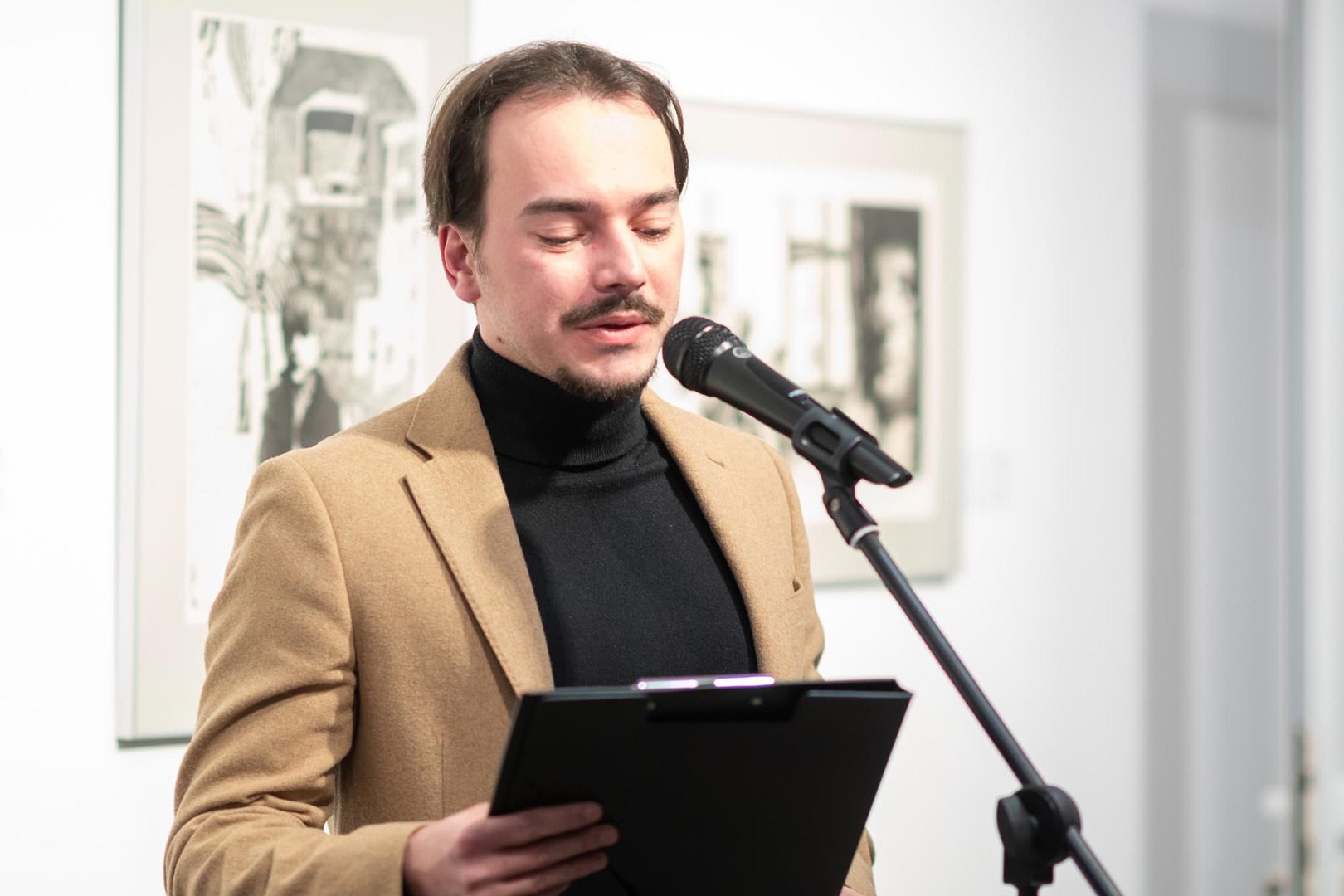
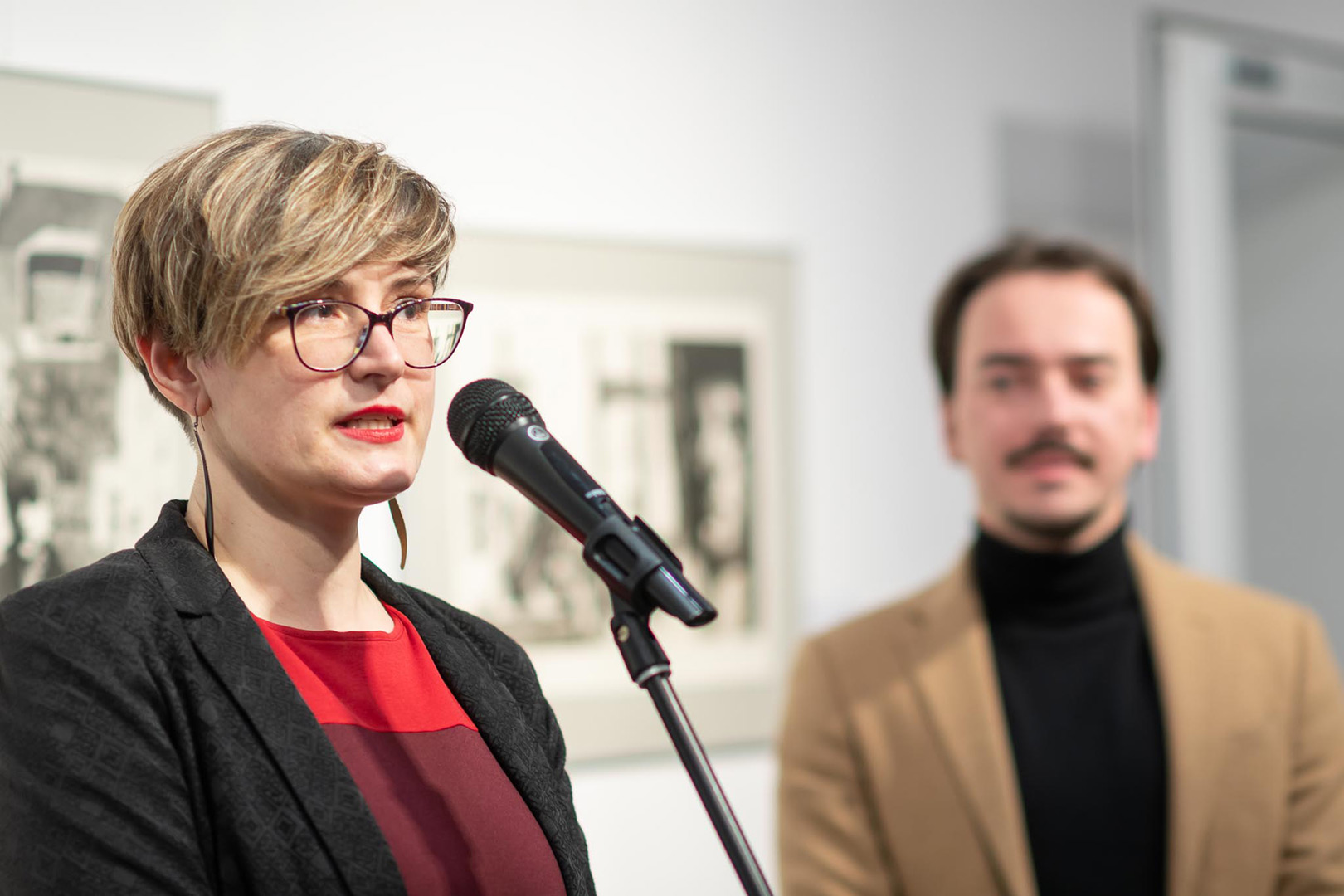
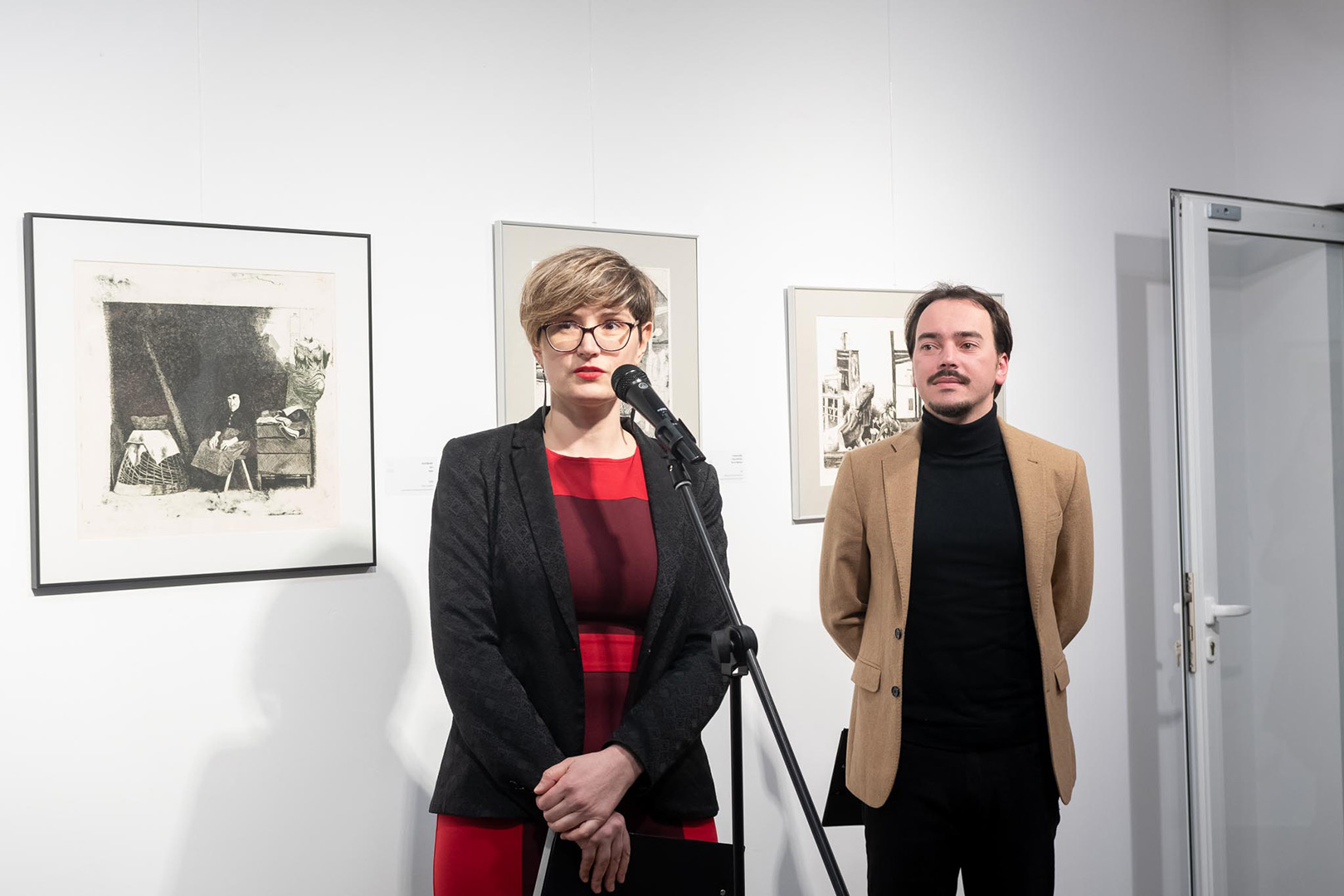
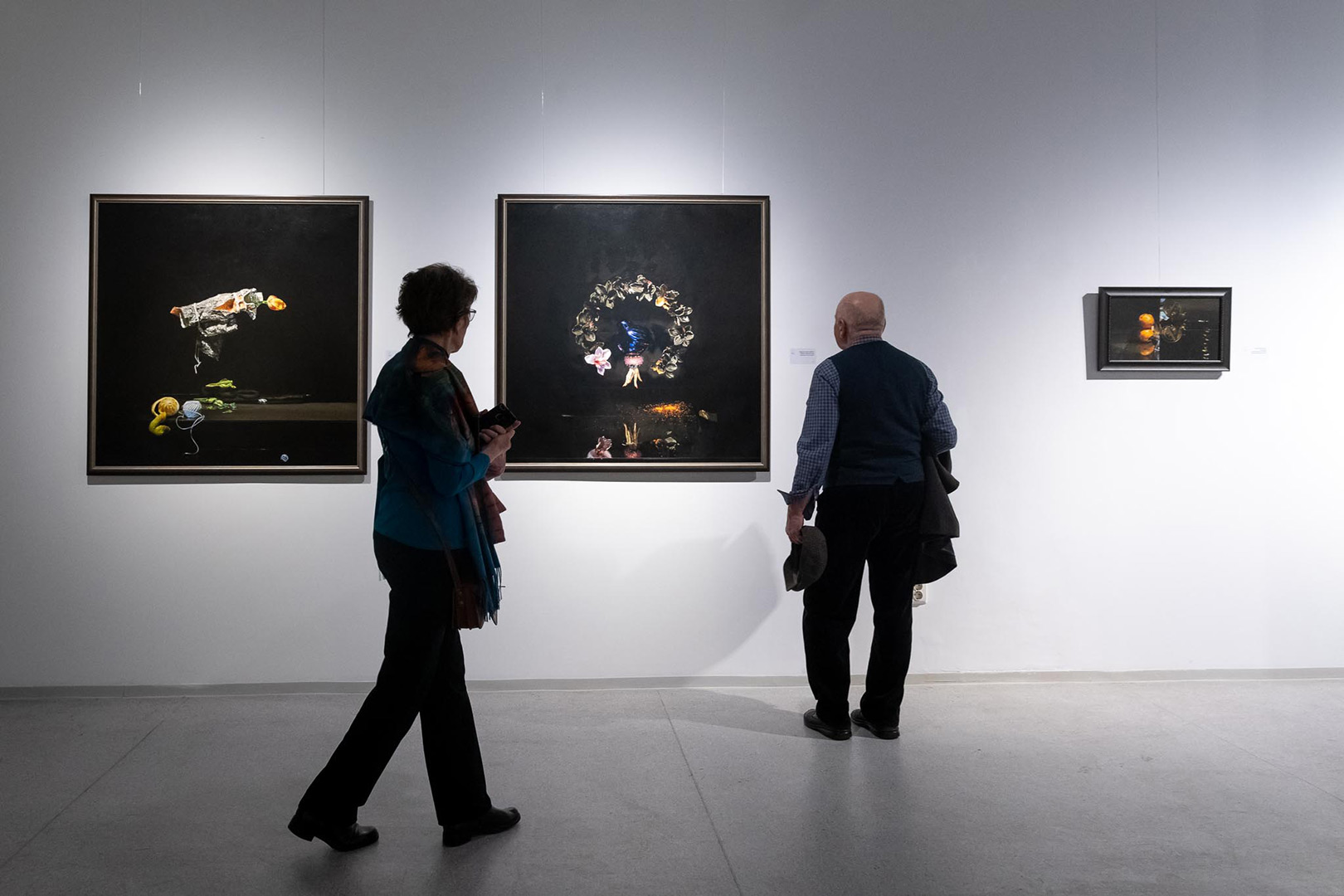
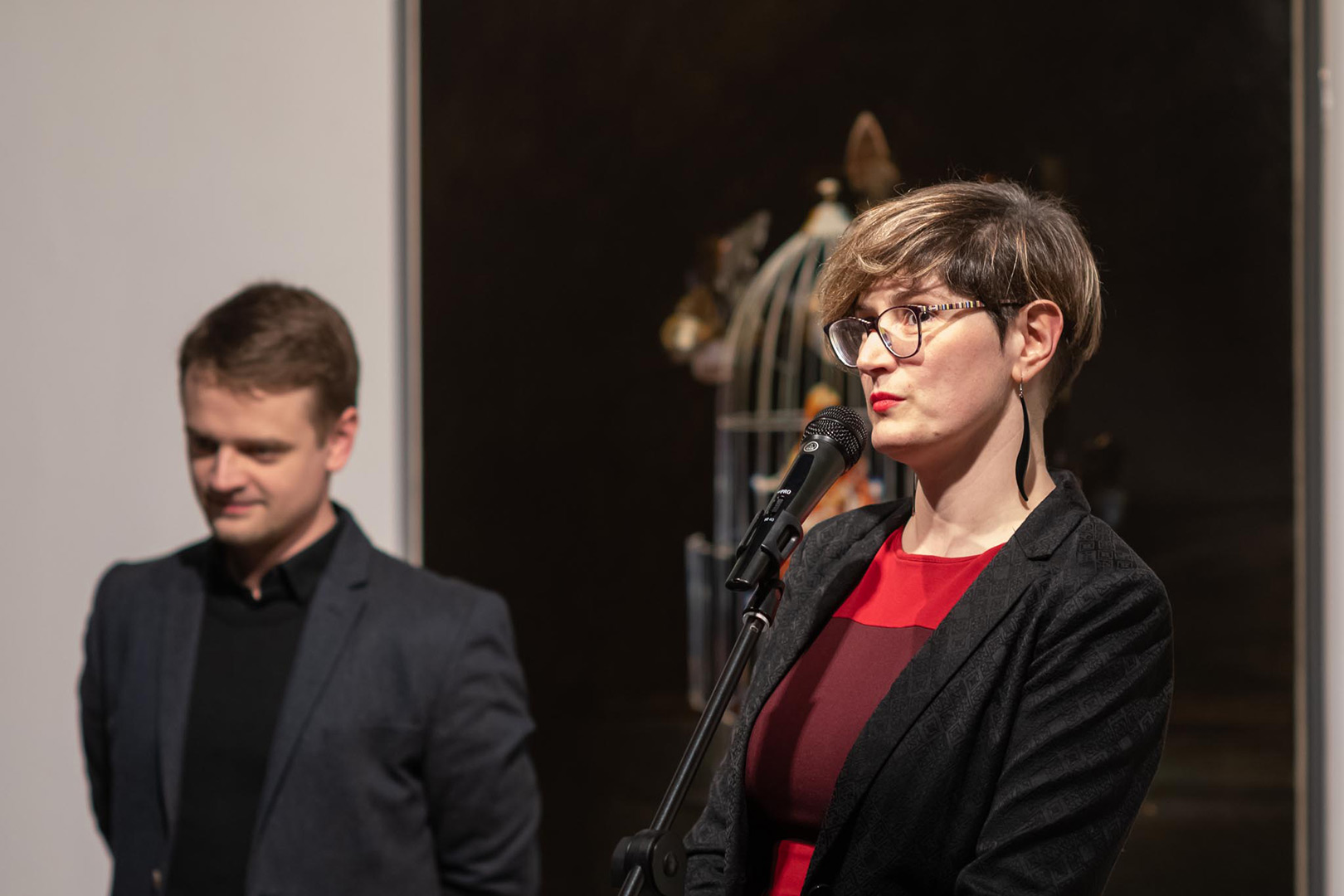
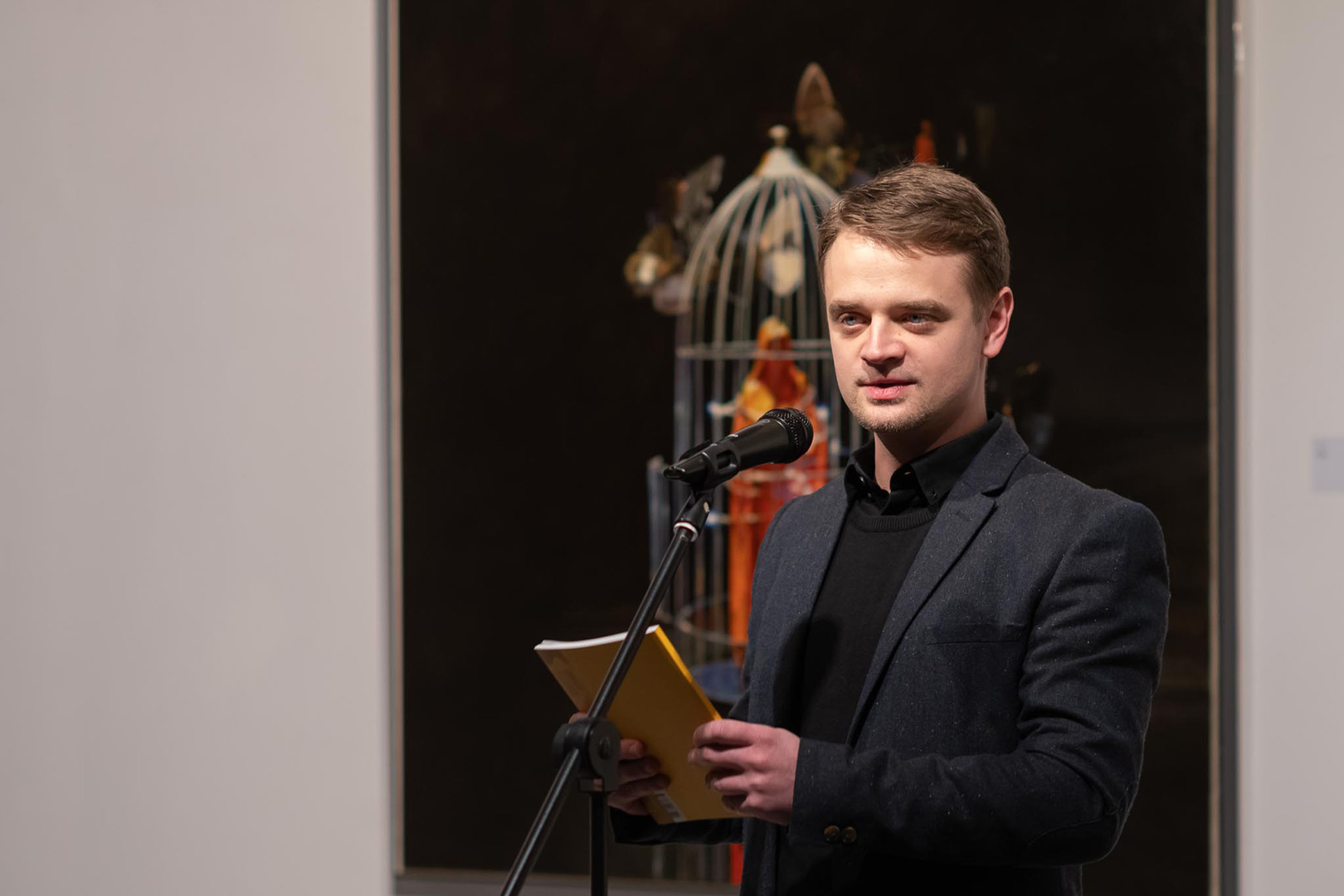
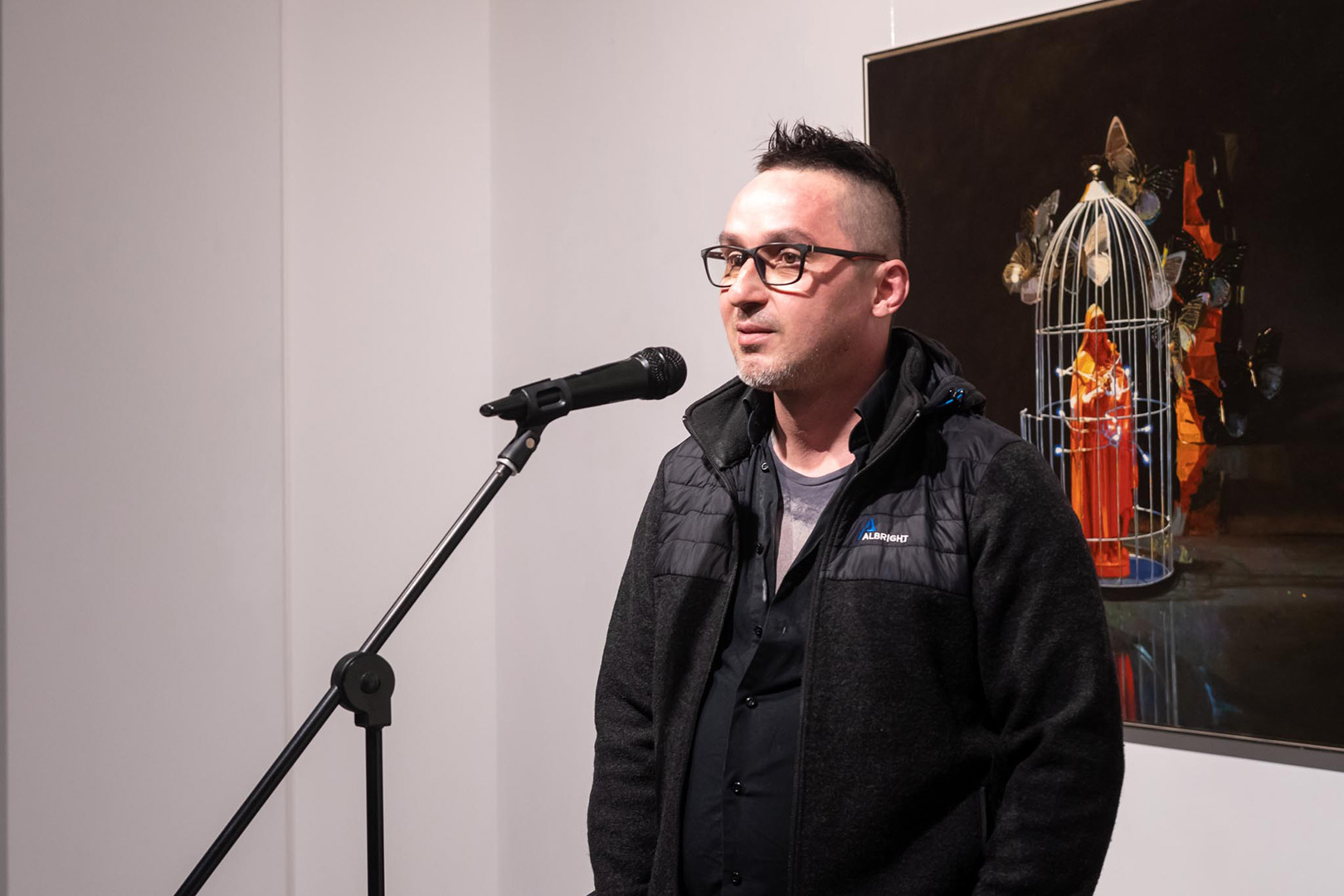
Opening: The exhibition was opened on 28 February 2025 at 5.30 pm by dr. Beáta Bordás, director of the Transylvanian Art Centre, curator of the exhibition, and Tamás Lénárt art historian.
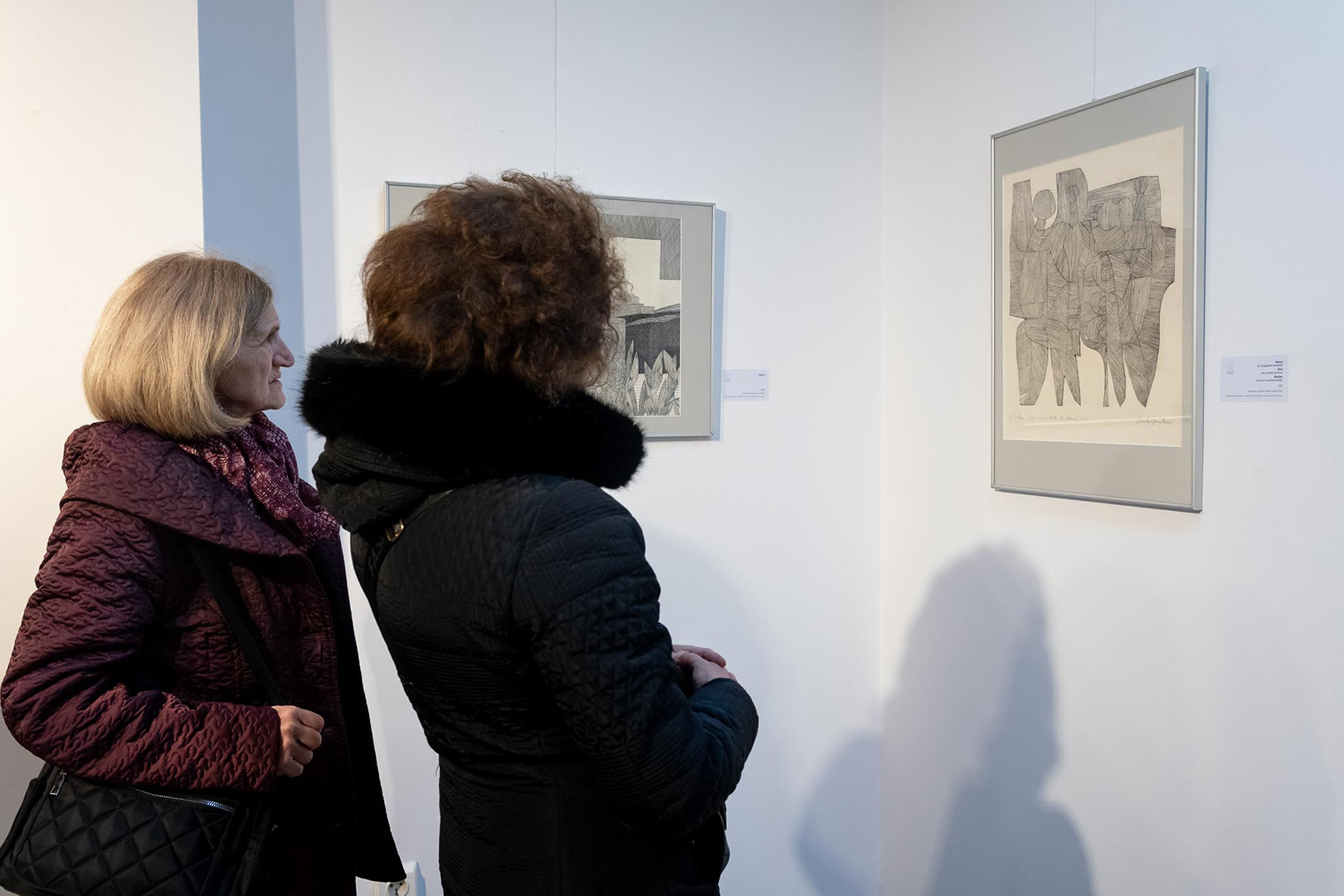
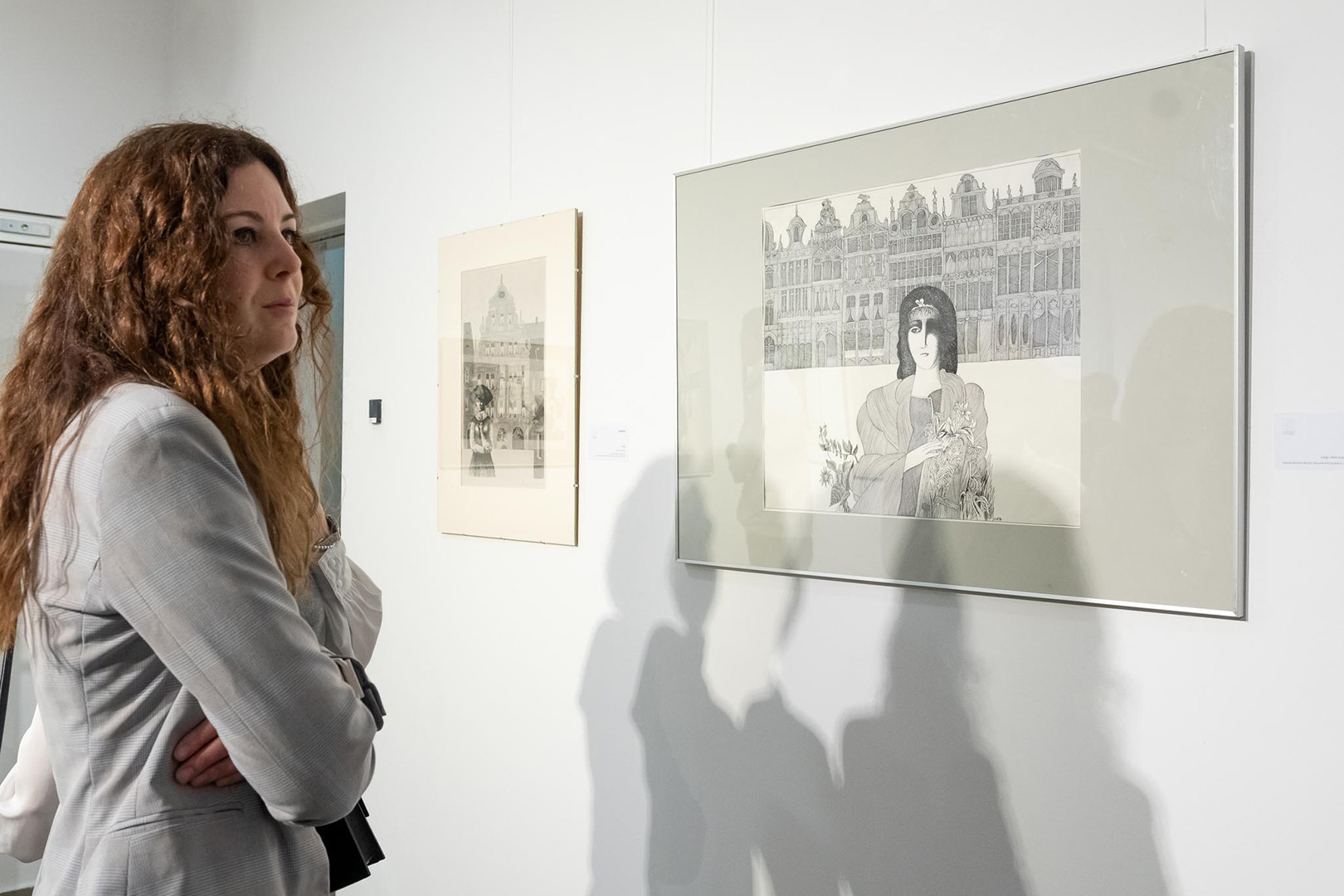
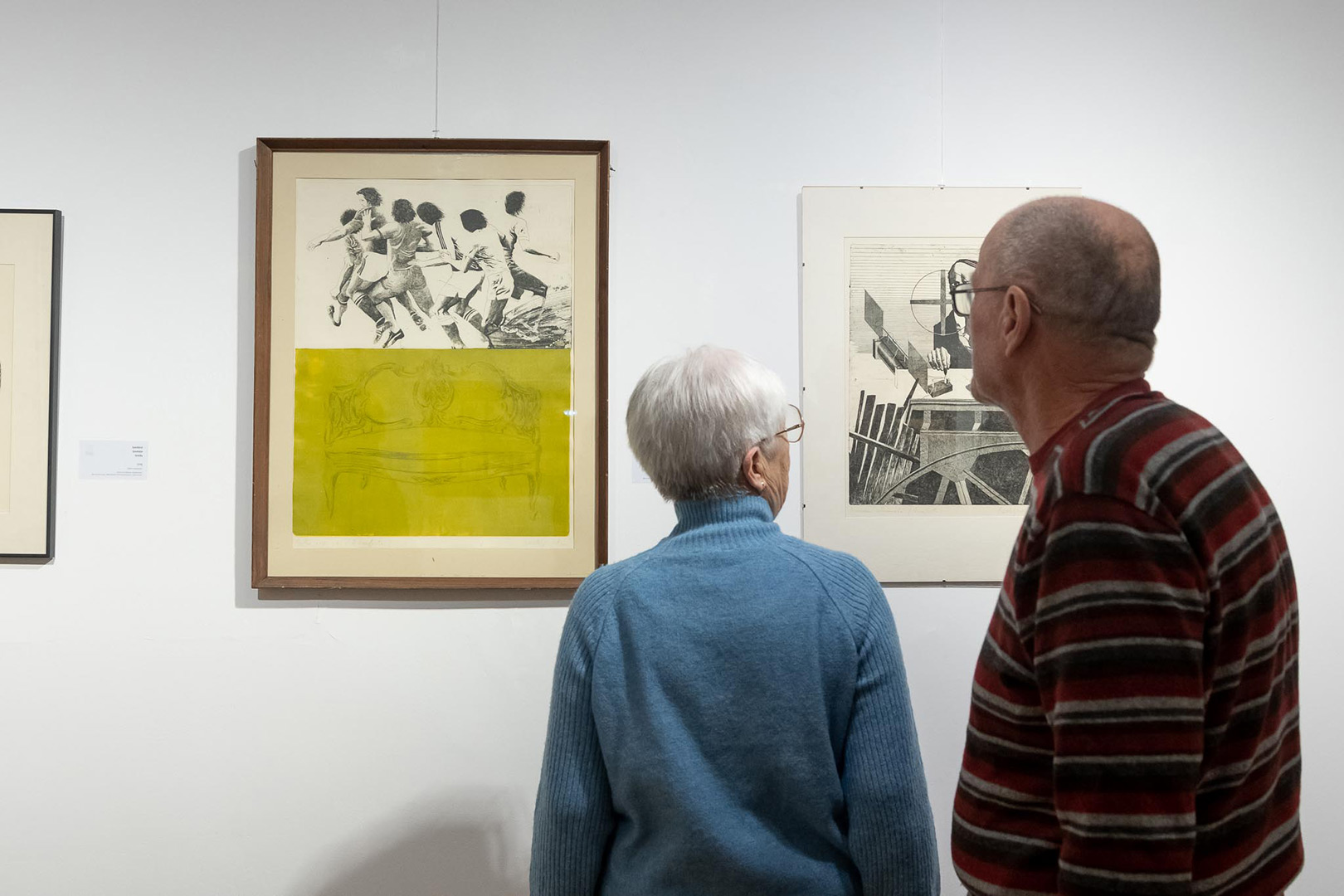
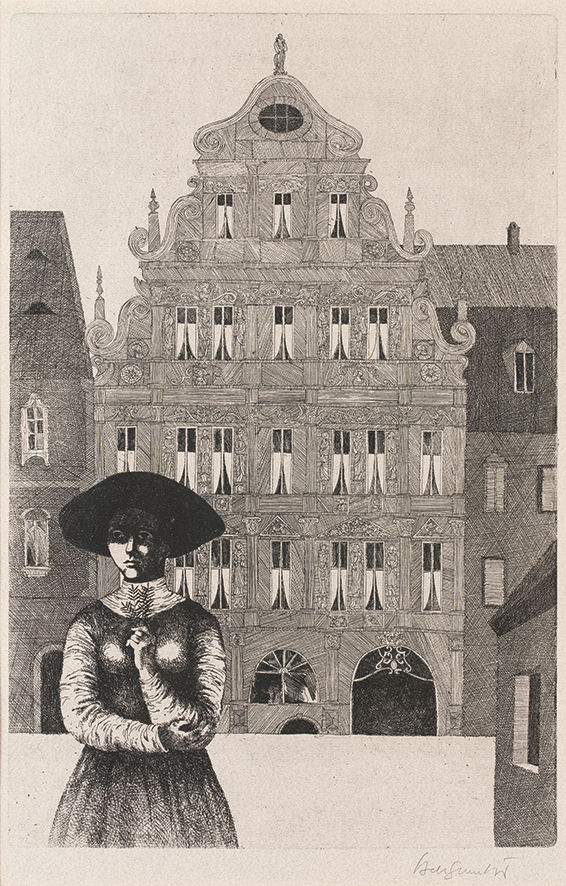
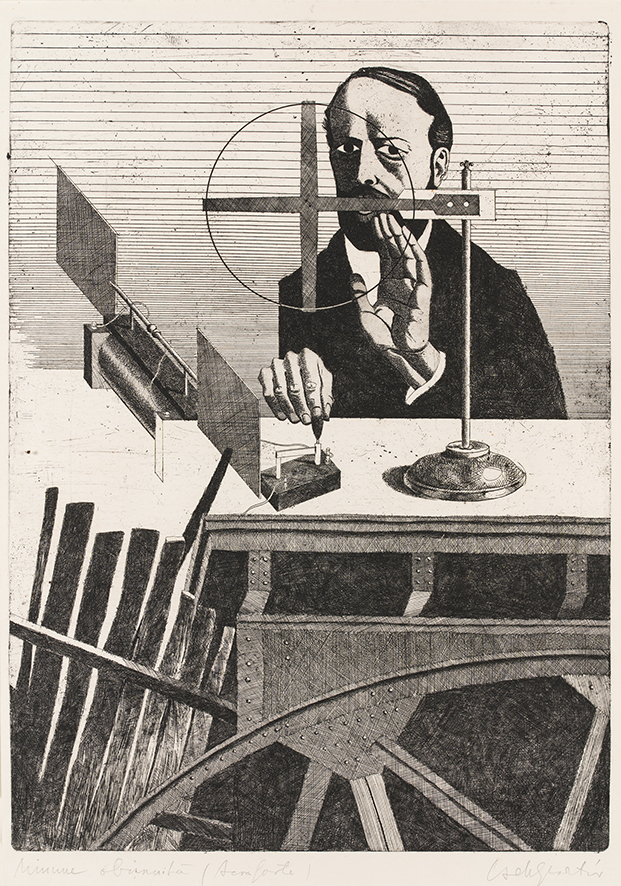
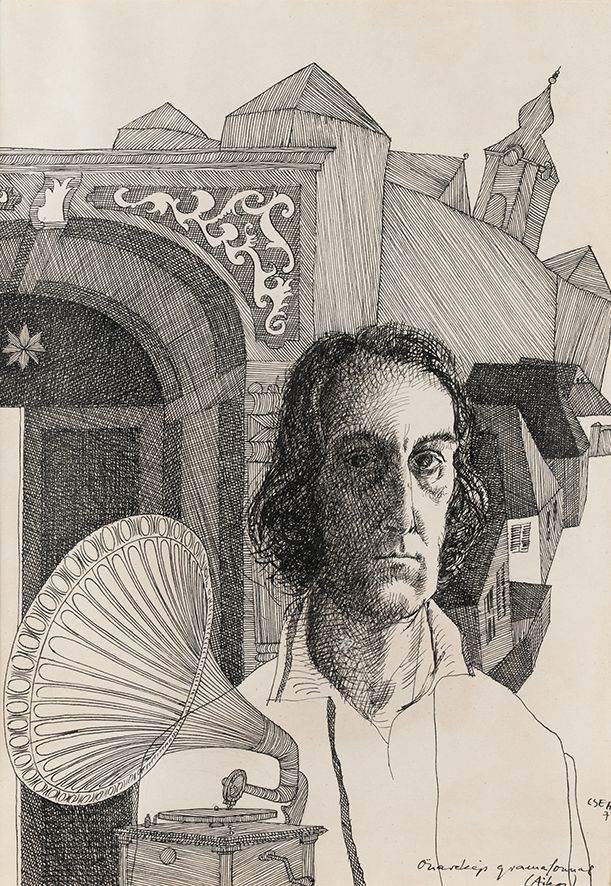
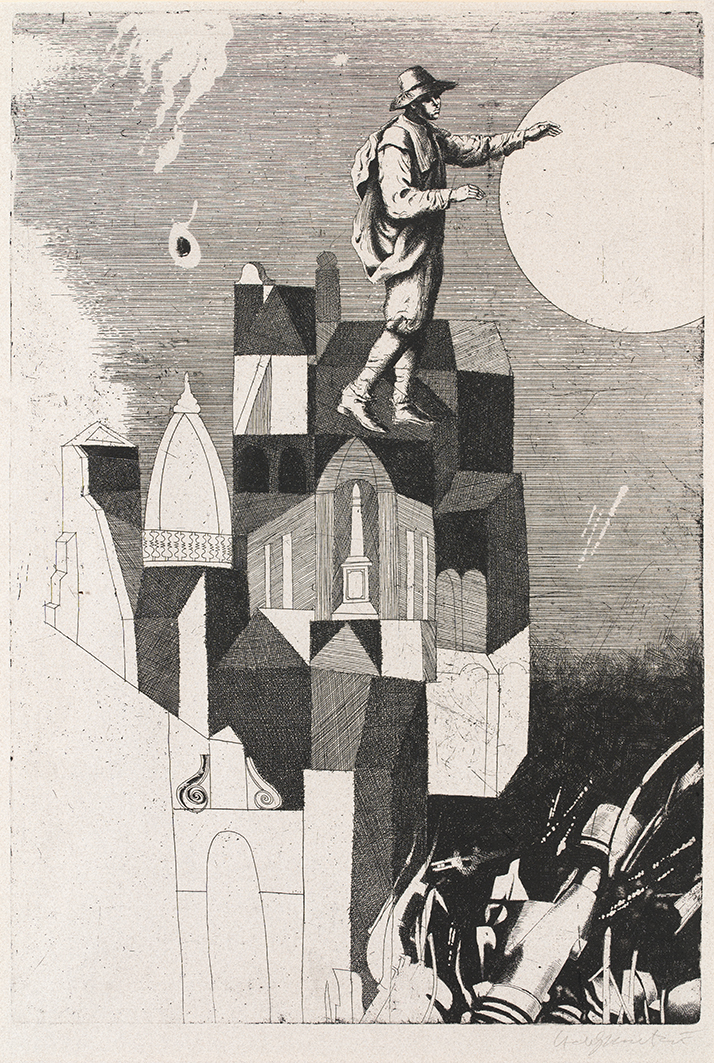
This exhibition presents more than forty unique graphic artworks, illustrating the most important stages of the career of the graphic artist, who died young, in the prime of his life. Besides early linocuts, the exhibition also includes important etchings from the late seventies (e.g. Everyday Miracle, Wanderer, Maecenas, Torso, Gravitation). In addition to the individual prints created using a variety of techniques, the exhibition also provides a rich illustration of one of the characteristic “secondary threads” of the graphic artist’s oeuvre, the ex libris. Furthermore, both complete graphic series, which are of outstanding value from the perspective of the history of Transylvanian Hungarian culture, will be exhibited: the series of etchings entitled Sixty Main Personalities, presented in 1981, and Notable Houses, presented in 1984.
Gusztáv CSEH (Cluj, 1934 – Cluj-Napoca, 1985)
Gusztáv Cseh, the internationally renowned master of modern Transylvanian Hungarian graphic art, was born in Cluj in 1934. From 1954 he studied at the Ion Andreescu College of Fine Arts in Cluj, graduating in graphic art in 1960. In 1962 he became a drawing teacher at the Art High School in Cluj.
His unparalleled drawing talent was already evident in his caricatures and book illustrations. However, his name was made famous by his first exhibition in Cluj in 1965, and from then on he was considered a leading figure in the Cluj school of graphic art. With his pen-and-ink drawings, he created an elegant, dramatic yet adventurously playful, sophisticated universe, bringing something radically new into Transylvanian art. His artworks have been exhibited in numerous national and international exhibitions and graphic art biennials. He illustrated more than 300 books. For decades, his graphic artworks, caricatures and illustrations were published in almost all Hungarian newspapers and magazines.
In his series of etchings entitled Sixty Main Personalities, he commemorates the great personalities of Transylvania (including John Hunyadi and Matthias Hunyadi, György Dózsa, Stephen Báthory, Stephen Bocskai, Gabriel Bethlen, George Rákóczi, Alexander Csoma de Kőrös, Farkas Bolyai and János Bolyai, Áron Gábor, Endre Ady, Béla Bartók, Károly Kós and Áron Tamási). He dedicated to his wife the Notable Houses, also including sixty etchings (from Cernatu de Jos, through Bistrița, Deva, Făgăraș, Alba Iulia, Cluj-Napoca, Văleni, to Hunedoara, Rimetea and Jibou).
The creation of etchings undermined his health, and after a long hospital treatment in Budapest he died in his hometown at the age of fifty.
Solo exhibitions:
• 1965, 1967: Cluj, Small Gallery • 1968: Satu Mare, Town Museum • 1971: Cluj, Igazság Club • 1972: Sibiu, Gallery of the Fine Artists’ Association (together with Cristian Carmen and Florian Alexandru Milan, artists from Cluj) • 1973: Bucharest, Petőfi Sándor House of Culture; Miercurea Ciuc, Small Gallery; Sfântu Gheorghe, Museum; Târgu Secuiesc, Museum • 1975: Cluj-Napoca, Korunk Gallery • 1976: Sfântu Gheorghe, Small Gallery • 1978: Cluj-Napoca, Small Gallery • 1980: Satu Mare, Fine Arts Gallery • 1983: Cluj-Napoca, exhibition hall of the a Fine Arts Fund • 1984: Satu Mare, New Gallery
Exhibitions of the series Sixty Main Personalities:
• 1981: Cluj-Napoca, Korunk Gallery; Târgu Secuiesc, Museum; Sfântu Gheorghe, Gallery of the County Museum; Odorheiu Secuiesc, House of Culture; Târgu Mureș, Studio of the Institute of Theatre • 1982: Szombathely, Dániel Berzsenyi County Library; Esztergom, Bálint Balassa Museum; Budapest, ELTE Club; Kecskemét, Ferenc Erdei County Cultural Centre • 1983: Tiszakécske, János Arany Cultural Centre; Győr, Sándor Petőfi Cultural Centre; Gödöllő, Local History Collection; Csorna, TIT Club • 1984: Veszprém, Károly Eötvös County Library; Szeged, Mini Gallery of the Youth House; Budapest, the Budaörsi Road College of the Eötvös Loránd University; Miskolc, Library of the Technical University of Heavy Industry • 1985: Eger, County Library
Exhibitions of the series Notable Houses:
• 1984: Cluj-Napoca, Korunk Gallery • 1985: Budapest, National Monuments Inspectorate; Szentendre, Pest County Cultural Centre and Library; Budapest, Eötvös College of the Eötvös Loránd University • 1986: Veszprém, Károly Eötvös County Library (posthumous)
Commemorative exhibitions:
• 1998: Bucharest, Hungarian Cultural Centre • 1999: Hajdúszoboszló, István Bocskai Museum • 2000: Cluj-Napoca, Korunk Gallery • 2002: Cluj-Napoca, Albert Györkös Mányi Memorial House • 2007: Sopron, Transylvanian House • 2008: Répcelak, Open Space Public Cultural Association and the Gallery of the House of Culture • 2013: Sfântu Gheorghe, House with Arcades
Permanent exhibitions:
• 1982: Cernat, Pál Haszmann Museum • 1989: Hajdúszoboszló, István Bocskai Museum • 2006: Cluj-Napoca, headquarters of the Cluj Society
Books:
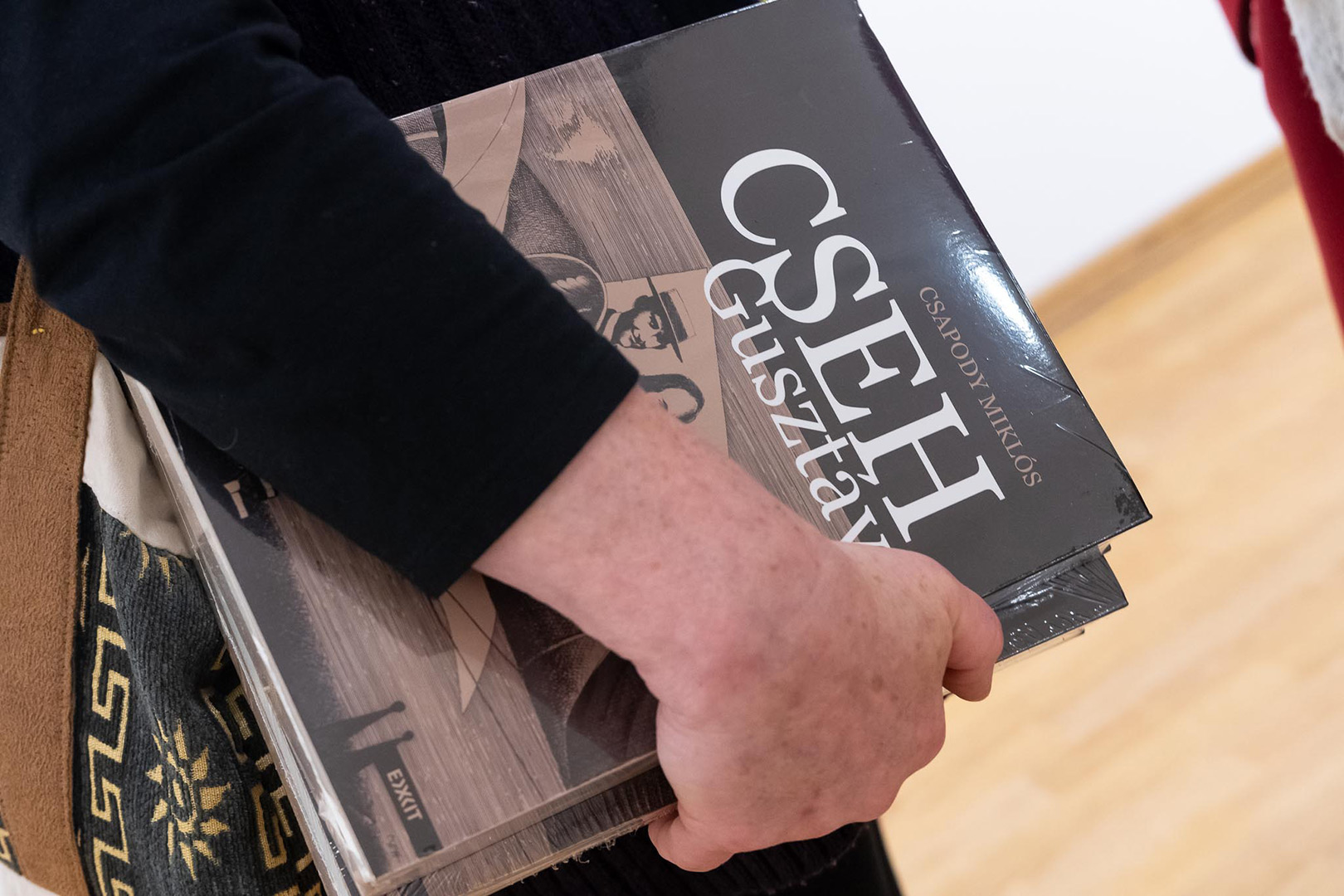
• Hatvan Főember [Sixty Main Personalities]. Foreword and description of the pictures by: Gyula László. Európa Publishing House, Budapest, 1988. • Libellus pictus, azaz képekkel írott könyvecskéje Jeles Házaknak (...) [Libellus pictus, i.e. a book written with pictures of the Notable Houses...]. Explanatory notes by Péter Sas. Múzsák Publishing House, Budapest, 1988.• Hatvan Főember [Sixty Main Personalities]. Foreword and description of the pictures by: Gyula László. Kráter Studio Association, Budapest, 1993. • Jeles Házak [Notable Houses]. Foreword by György Sümegi, description of the pictures by Péter Sas and Zsombor Jékely. Kráter Studio Association, Budapest, 1993. • Cseh Gusztáv pátriája I–III. [Gusztáv Cseh’s Homeland I–III.] Foreword by Samu Benkő and description of the pictures by Antal K. Jakab and Lajos Kántor. Korunk Baráti Társaság–Komp-Press Publishing House, Cluj-Napoca, 2002.
Prizes:
• 1970: Romanian Labour Order of Merit • 1971: The Most Beautiful Book of the Year Award for the graphic design of the Forrás series of the Kriterion Publishing House, National Book Salon, Bucharest • 1972: The Most Beautiful Book of the Year Award for the design and illustration of the book „A helység kalapácsa” by Sándor Petőfi (Dacia Publishing House, Cluj, 1972), National Book Salon, Bucharest • 1973: Romanian Cultural Order of Merit, 1st Degree • 1974: Presidential Medal for the editorial activity of the weekly magazine „Dolgozó Nő” • 1981: 2nd prize at the Festival Cântarea României
Organizers: Sfântu Gheorghe City Hall, Transylvanian Art Centre Association
Partner: Liszt Institute – Sfântu Gheorghe
Sponsor: Hungarian Government – State Secretary for National Policy, Bethlen Gábor Fund